
myTapp Blog
Content on technology, self-pour, and management for those seeking efficiency and growth.

Technology
Content
Sign up for our newsletter
Receive regular updates on new products and industry trends.
Content on technology, self-pour, and management for those seeking efficiency and growth.
Receive regular updates on new products and industry trends.
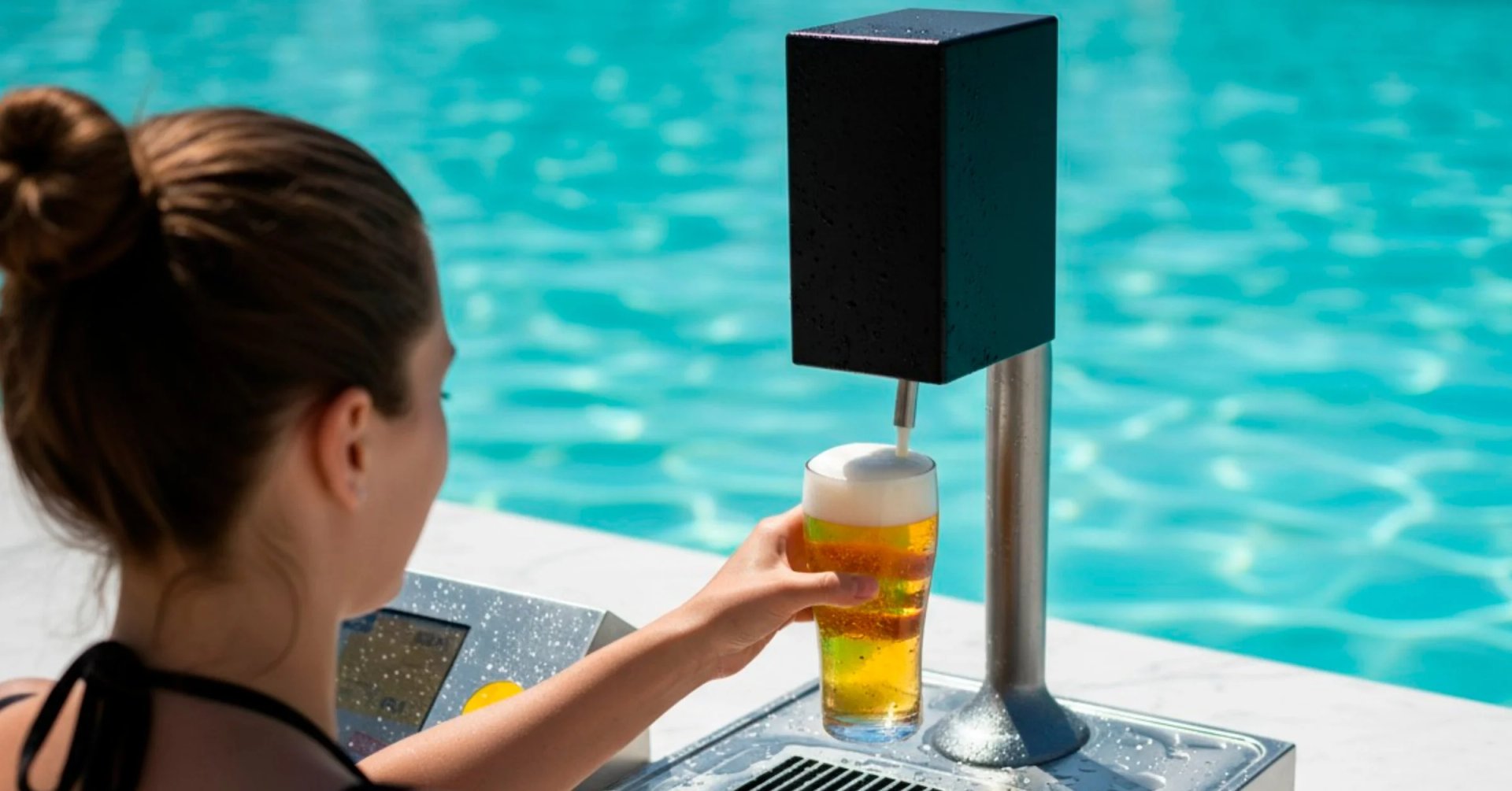
Automação na hospitalidade funciona quando elimina esperas sem retirar a escolha do hóspede. Este artigo mostra como separar tarefas repetitivas de interações que exigem escuta, preservar o apoio humano e evitar que a tecnologia apenas transfira trabalho para quem está sendo atendido.

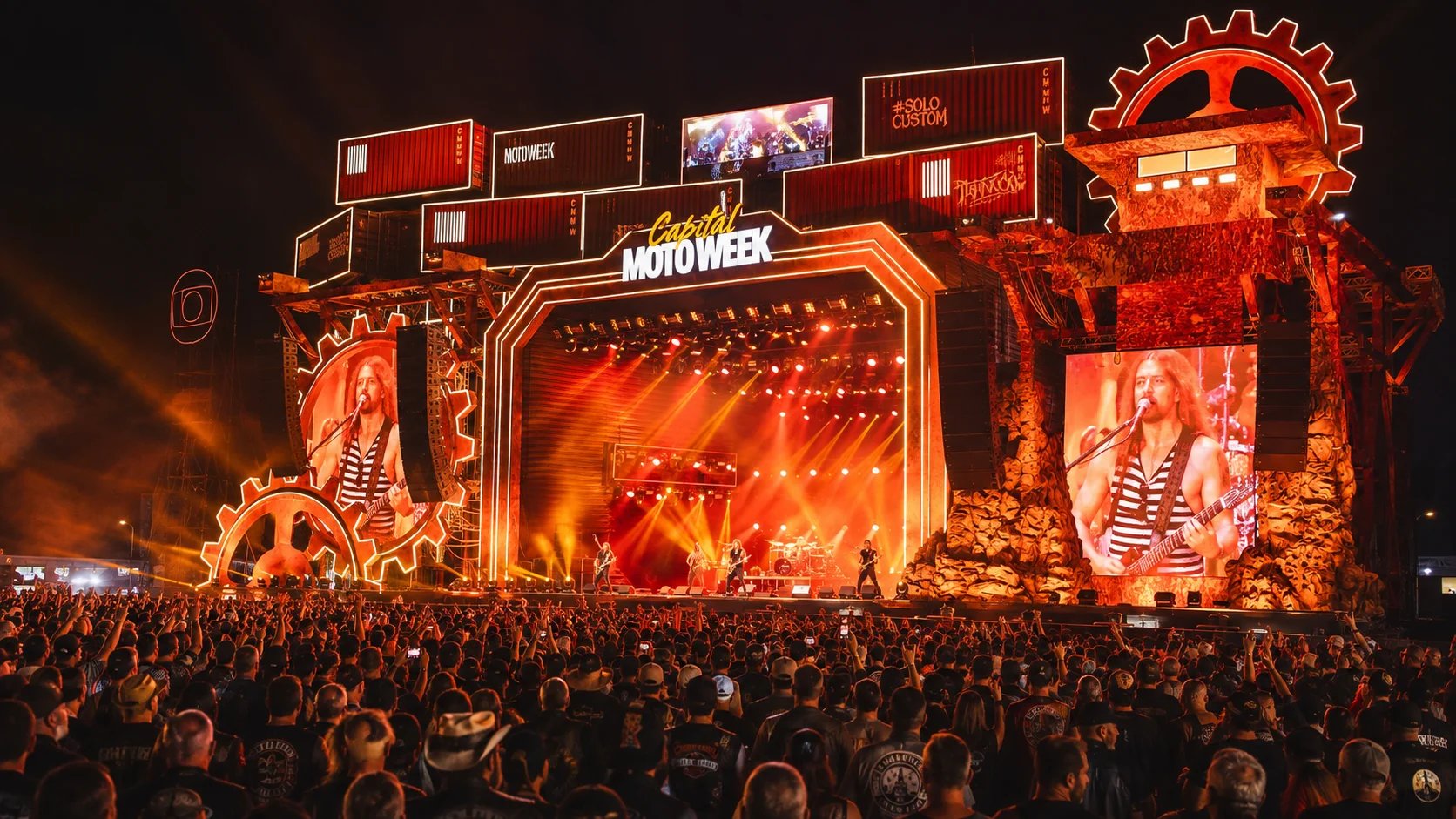
At the largest motorcycle and rock festival in Latin America, with about 800,000 people over ten days, self-pour beer kept pace with the event's growth without losing control. In the 2026 edition, the volume served rose more than 18% and the number of sales grew almost 29%, while operational efficiency went from 89% to 93%. The case shows how smart taps sustain beverage operations when the crowd arrives in waves.

In high season, the bar line is one of the biggest bottlenecks at a park or resort: visitors give up, miss out on the attractions and the operation loses sales. Self-pour beer ends the wait, cuts beverage service staff by up to 80% and reduces waste from about 15% to 3%, with real-time consumption data for management.
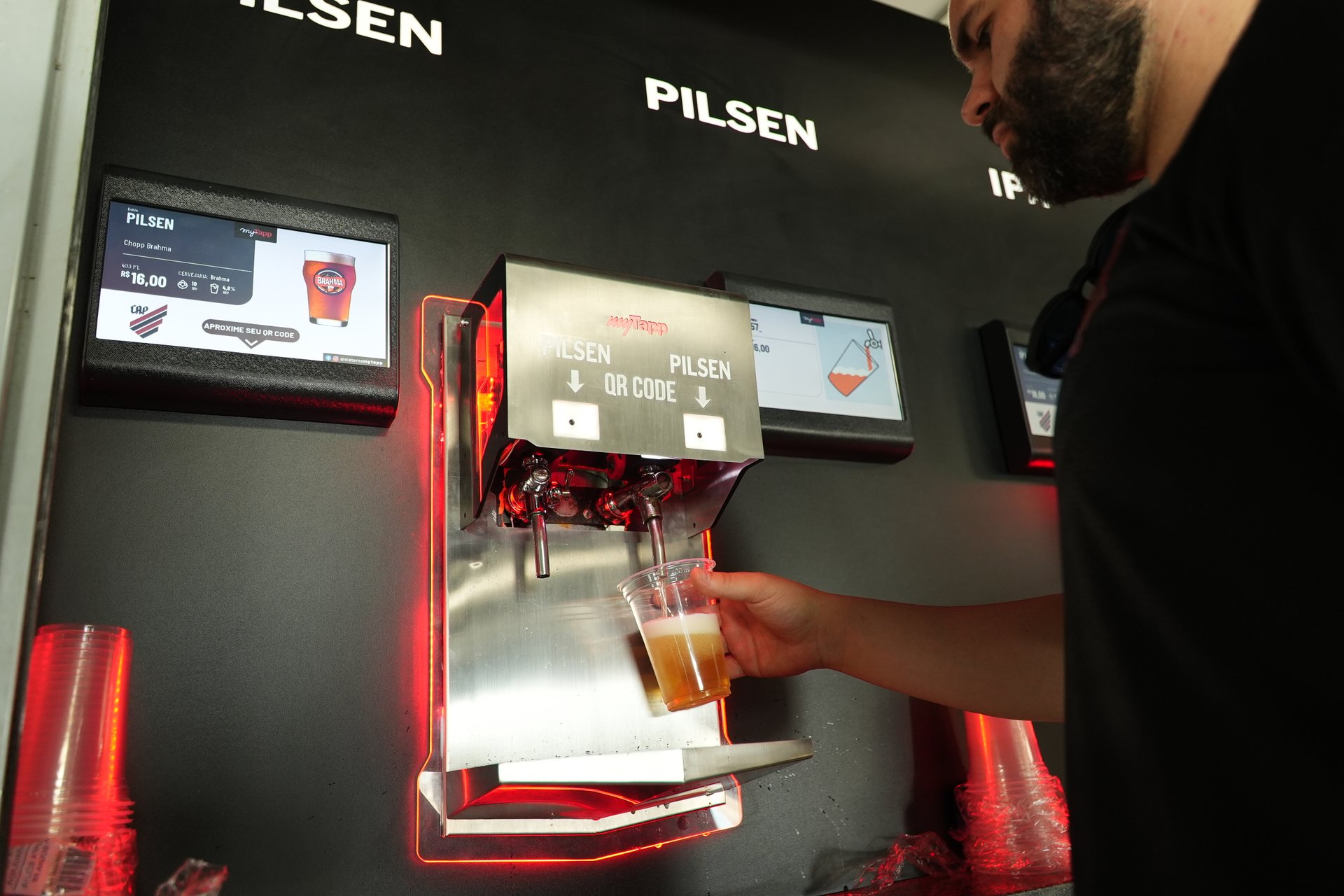
At a festival's peak, the bar line is where revenue slips away. Self-pour draft beer ends the wait, cuts service staff by up to 80% and reduces waste from about 15% to 3%. With real-time consumption data, the operation decides on the spot and sells more at the moment that matters most.
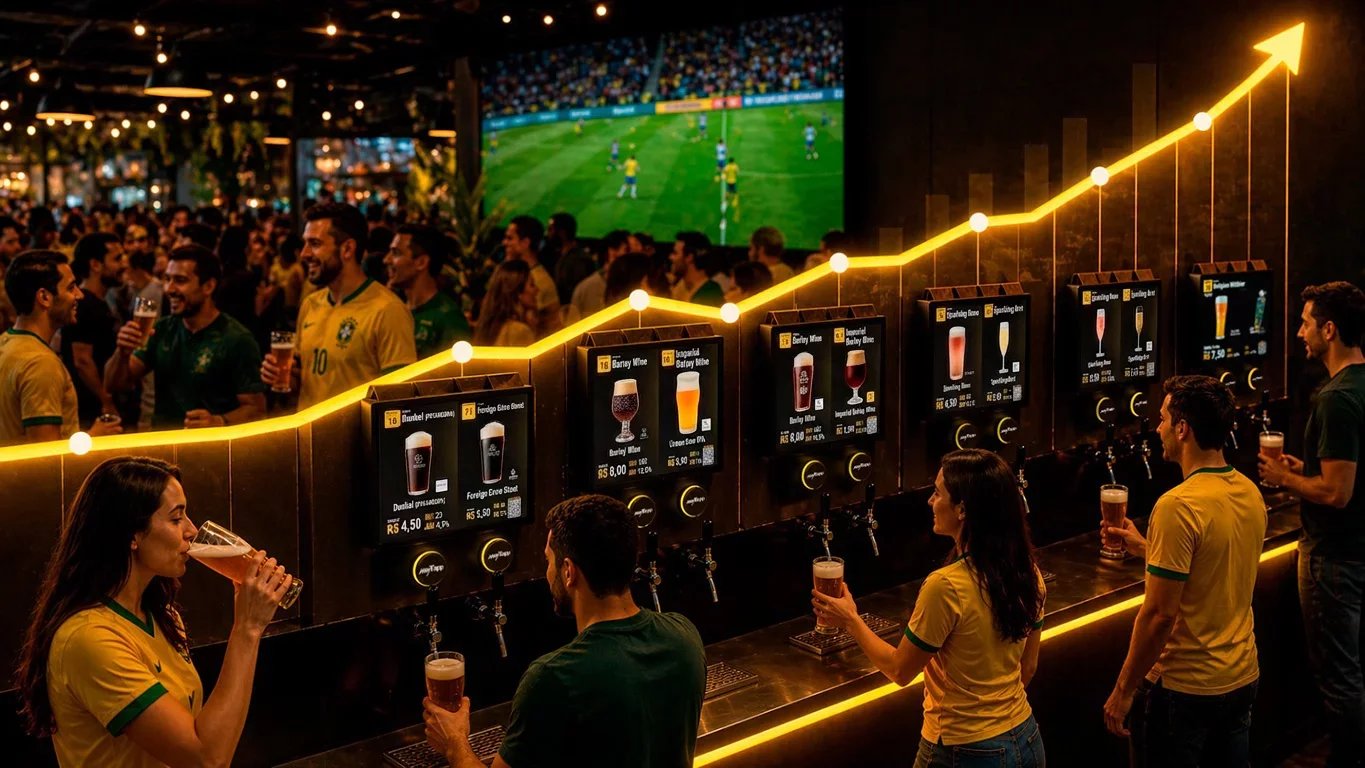
During the World Cup, bars operate under some of the heaviest demand pressure of the calendar. In just a few hours, order volume can multiply, demanding speed, control and a line-free experience. With automation, you can reduce bottlenecks, increase turnover per service and capture more revenue in every match.

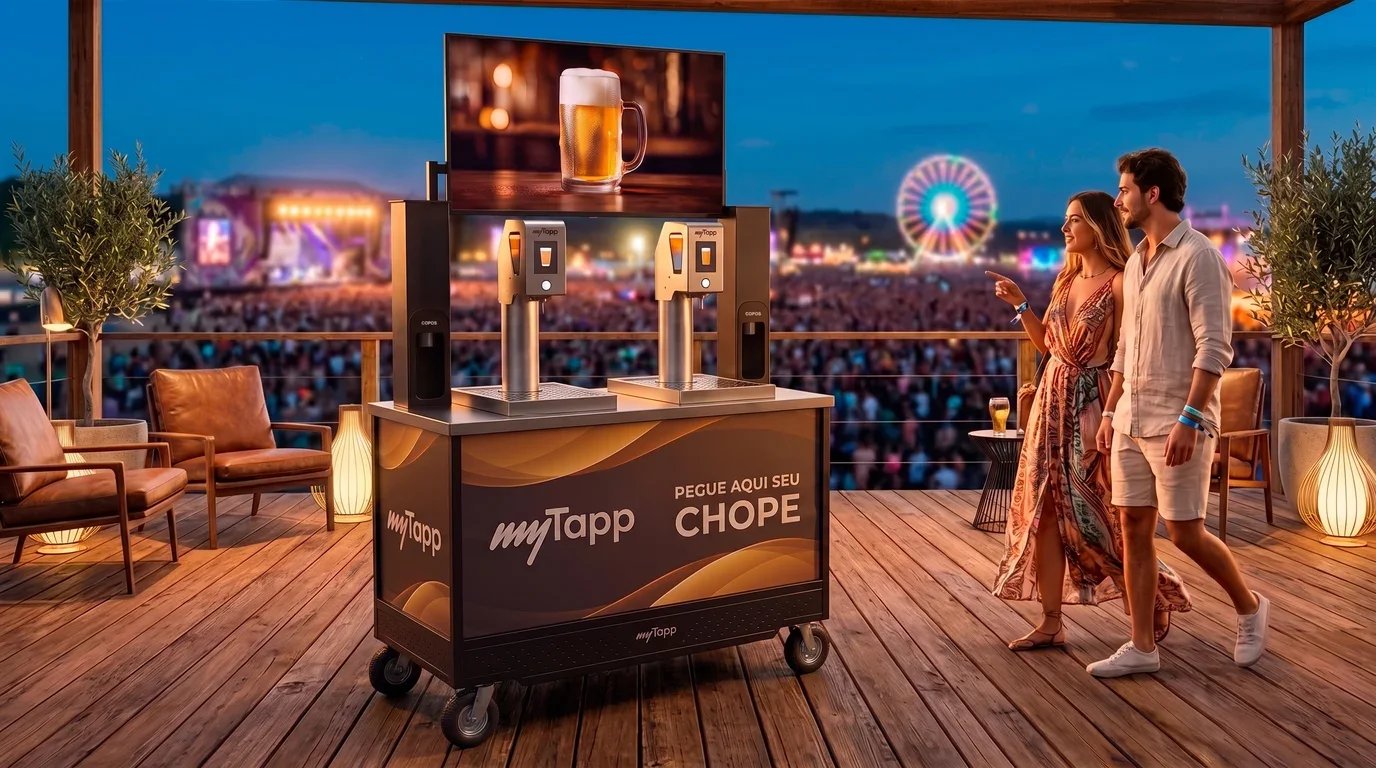
Expanding at events depends on cutting lines, speeding up service and keeping control in high-demand environments. Operations that use distributed, integrated systems can add points of sale without adding operational complexity. Solutions like myTapp Duo let you scale service with consistency, predictability and a direct impact on revenue per hour.
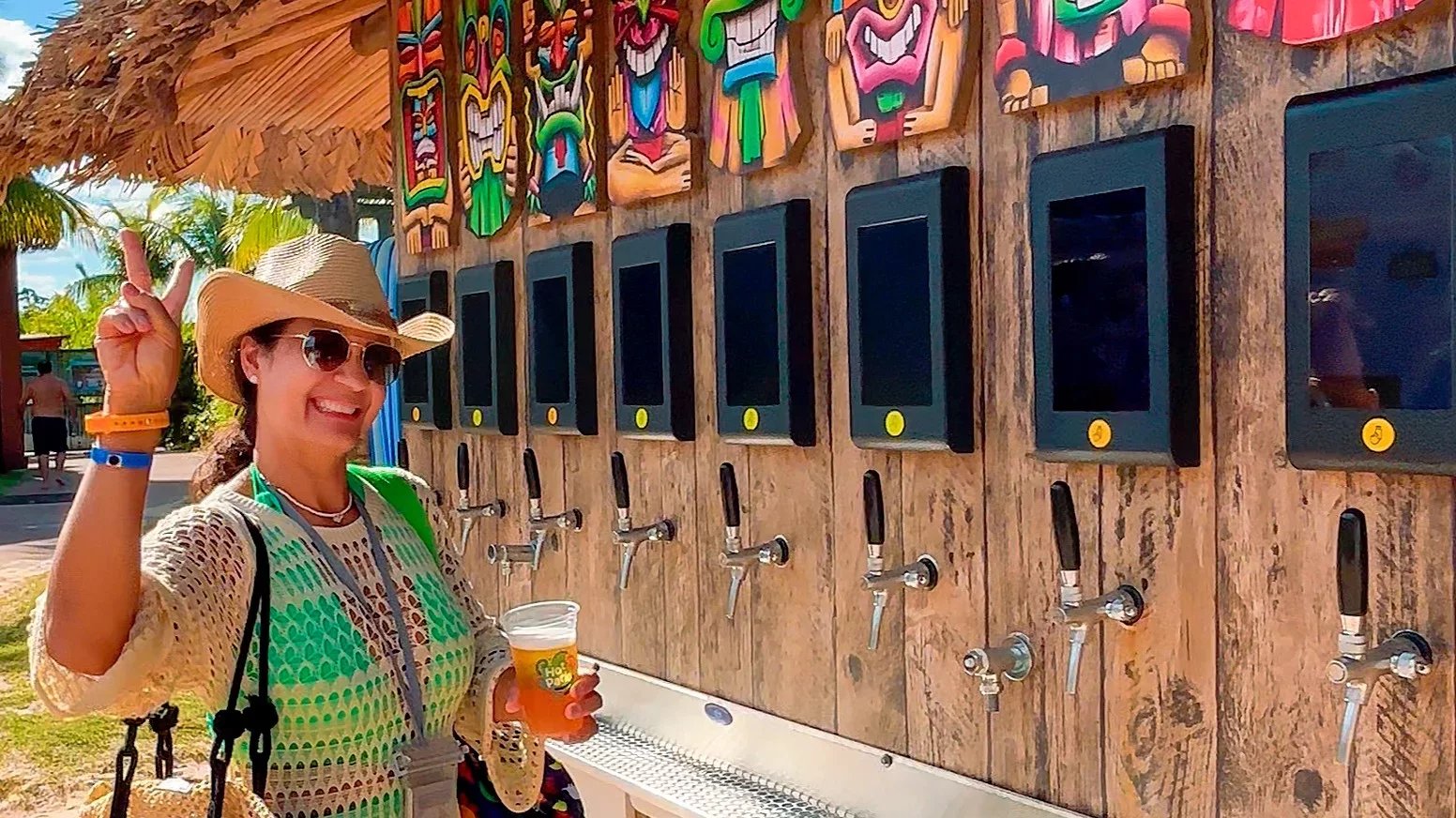
Staff turnover directly affects cost, efficiency and customer experience in high-volume operations. Self-service models reduce reliance on labor for repetitive tasks, lowering exposure to turnover. In practice, this translates into productivity gains and an average reduction of up to 10% in operating costs.
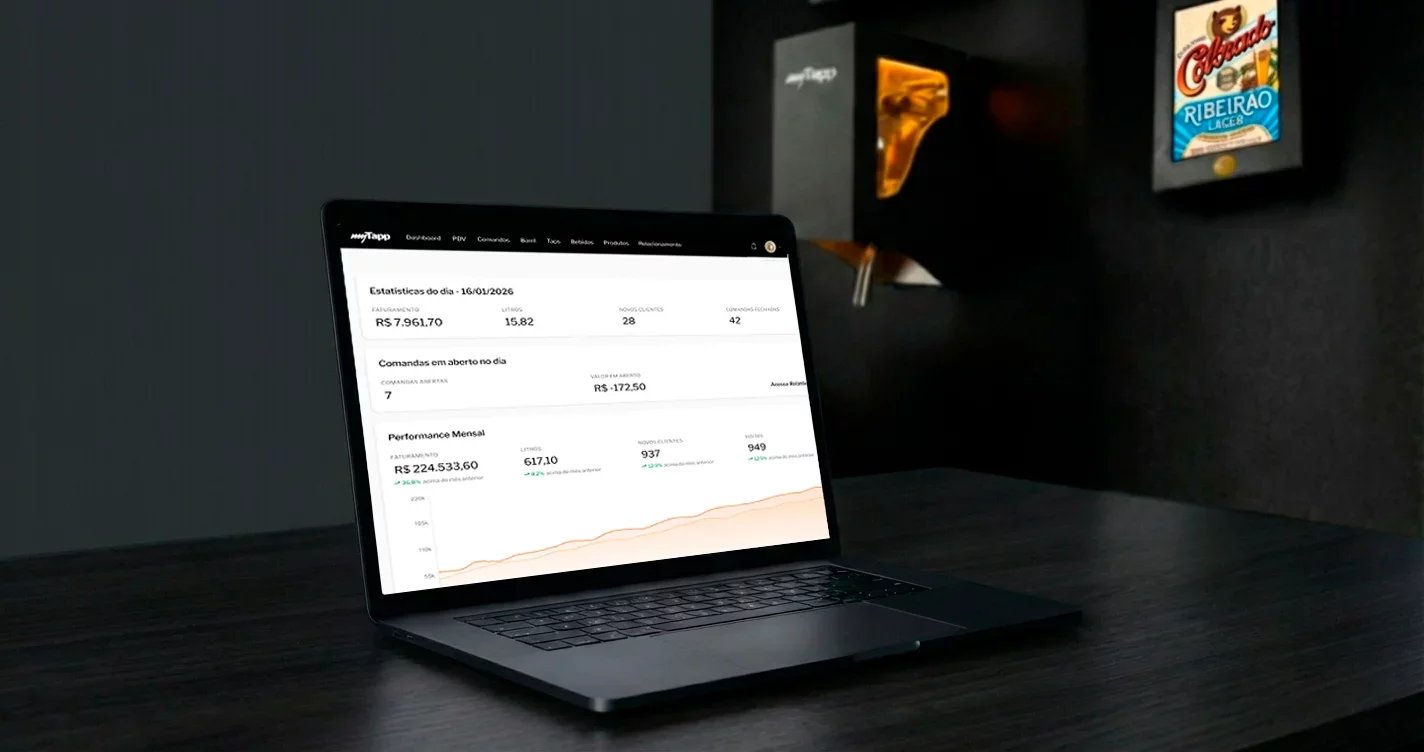
Cashless systems speed up payment, but they do not guarantee operational continuity. Beverage telemetry adds real-time visibility into consumption and inventory, enabling decisions during the event. The combination reduces stockouts, improves flow and protects the revenue captured.