
Payment methods for self-service: the complete guide
Walking into a bar, filling your own glass, paying by phone and leaving without waiting in line. Or ordering a snack at a kiosk, paying in seconds and getting your order exactly right. These scenes are no longer the stuff of futuristic movies. They are increasingly part of our daily lives with the rise of self-service payment methods, mobile POS and instant payment and pickup systems. The truth is that the Brazilian way of consuming is changing, and those who do not keep up fall behind. If the cashier used to be the inevitable end of the experience, today it can be just one more option – and often the least attractive. By integrating robust technology solutions, as myTapp does, a business gets much closer to what its customers expect: freedom, speed and control.
The self-service and hassle-free payment landscape
The search for autonomy in purchases is growing intensely. According to the Kantar Consumer Insights report, 35% of Brazilians already prefer to shop in a self-service format. It is not just a percentage, but a movement that has been changing retail, giving consumers back the leading role and transforming the internal management of establishments.
Self-service is not just a trend, it is an inevitable present.
In bars, restaurants, events, convenience stores and pharmacies, the presence of self-service kiosks, handheld machines and digital payment systems becomes strategic. myTapp, a pioneer in self-pour draft beer in Brazil, illustrates this transformation well, by enabling not only self-pour service of the drink, but all the management integration, engagement and fast billing that a modern business needs.
Why has this model won over so many people?
- Time savings: Customers handle everything on their own, without depending on an attendant or a line.
- Order accuracy: Orders placed independently tend to have fewer errors.
- Lower operating costs: Fewer employees to serve, leaner operations.
- Greater control of consumption: Especially in bars, where every ml of draft beer can be measured and charged exactly.
- Engagement and modernity: The brand gives the impression of being innovative and connected to the latest trends.
However, it is not only immediate advantages. The self-service model deeply affects consumer behavior and the profitability of businesses themselves, as shown by a survey by Close-Up International: the more self-service options, the higher the level of assortment and, consequently, the revenue of these operations.
The concept of self-service and "pay and pick up"
Before moving on, it is worth distinguishing terms that often appear together but do not mean exactly the same thing. Self-service refers to the model where customers themselves carry out part or all of the buying experience, without intermediaries. "Pay and pick up," in turn, is one of the possible modalities within that spectrum, in which payment is made beforehand or autonomously, followed by picking up the product. There are different ways to implement both in your business. The secret is choosing the right tools for your audience and operation.
Flexibility is the new normal.
Concrete examples of these solutions
- Self-checkout in supermarkets;
- Order and payment kiosks in fast food chains;
- Mobile POS (portable points of sale) at parties and events;
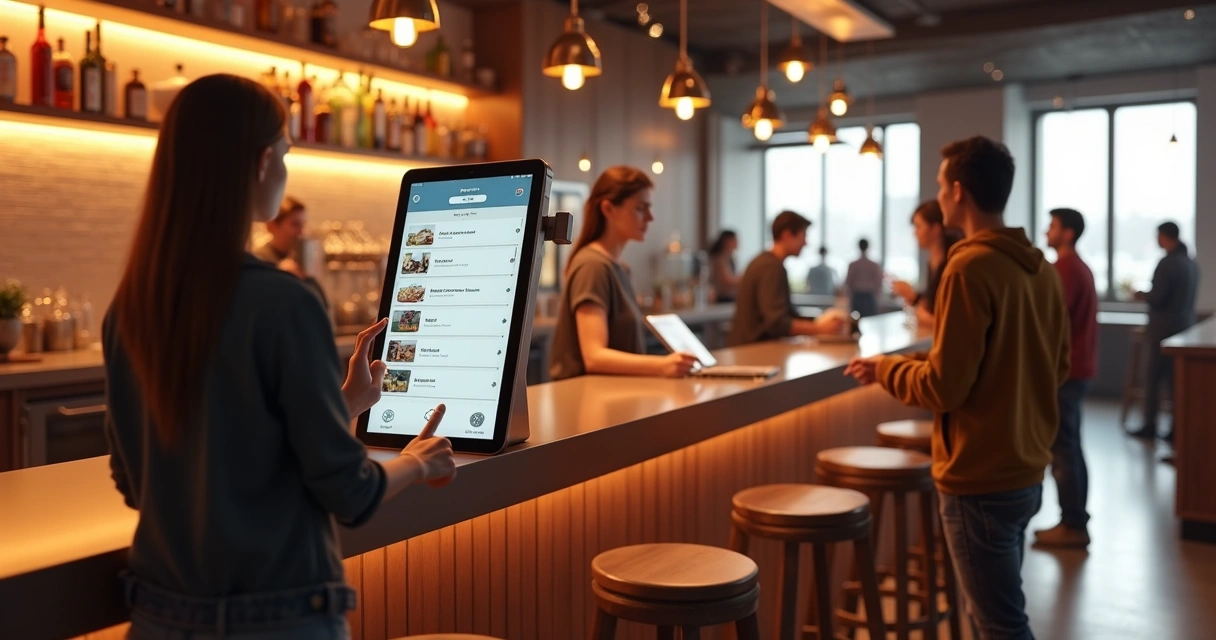
- Payment machines at restaurant tables;
- Self-pour draft beer dispensers integrated with apps, as with myTapp.
In practice, each establishment can combine different solutions according to its audience profile and business goals. And here comes one of myTapp's great differentiators – the ability to adapt its systems, apps and smart features to make the process not only faster and more pleasant for the customer, but simpler and safer for the operator.
 Digital payments and mobile POS as business accelerators
As self-service possibilities advance, the ways customers pay also need to evolve. Physical cash gives way to digital. Cards are tapped, digital wallets speed things up. And mobile POS gains ground even in traditional operations.
Mobile POS in the spotlight
According to a study released by Juniper Research, mobile POS transactions are expected to exceed US$ 1.9 trillion in 2024. That is no small number. This reality takes hold not only because it is practical for consumers, but also as a response to the need for increasingly agile, flexible operations that follow the customer wherever they are.
- At events, lines disappear, since staff can take payment from anywhere.
- In restaurants, the server brings the card machine to the table and closes the check without the customer having to move.
- In retail, the salesperson can ring up and close the purchase directly in the section where the customer is.
This movement is directly tied to the advance of digital payments. Whenever you can pay contactless (by tapping), via QR Code, Pix, Apple Pay, Google Pay or a Payment Link, the customer feels fewer barriers and more freedom of choice. All of this optimizes the store's flow – and, for managers, it means lower operating costs and absolute control of sales in real time, as myTapp's specialized platform does with excellence.
Mobile POS takes payment away from the cashier and puts it at the heart of the experience.
Practical payment methods and their advantages
It is curious to think how the choice of payment methods can change the pace of service. Each method has its strengths and can be adapted to the profile of the business:
- Chip or contactless card: Popular and widely accepted, it handles everything from small purchases to large amounts.
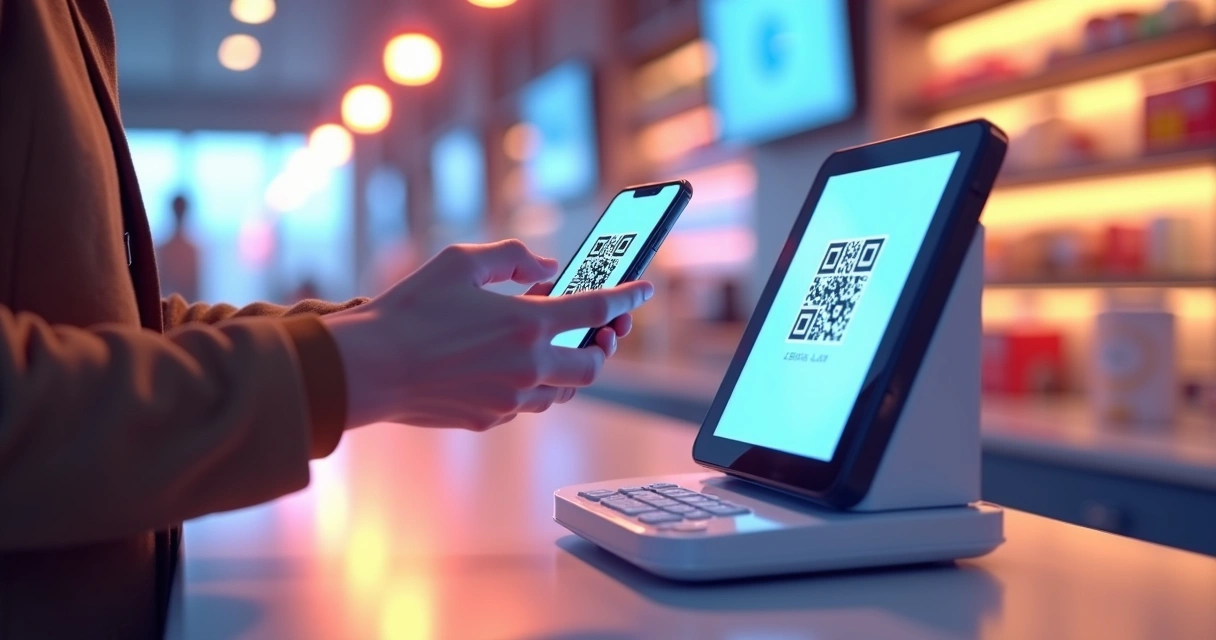
- QR Code and Pix: Fast, with no extra fees for the customer, and it even helps in high-turnover sales such as in bars and events.
- Digital wallets: Apple Pay, Google Pay and Samsung Pay are gaining ground among a more connected audience.
- Payment by link: Offers security, convenience and mobility, perfect for any purchase made through WhatsApp or social media.
- Prepaid card or top-up via app: Very common in controlled environments, such as concerts, parties and self-pour draft beer operations, characteristic of the myTapp case.
And there is no magic formula. Offering more than one option will always be the best path, including to avoid rejection or embarrassment for those who still occasionally depend on physical cash. Embedded technology, as in myTapp's systems, lets you manage all of these methods on a single dashboard, reconciling sales, integrating with inventory and tracking the performance of cash registers – whether physical, digital or mobile.
Speed and convenience: what customers really want
There is a lot of talk about “personalizing the experience,” but companies often forget that, for a good share of customers, the real priority is convenience. A study presented by MIT Sloan Review Brasil emphasizes that consumers choose self-service because they believe they have more autonomy and comfort, being able to decide how and when they interact with the technology.
The more convenient, the more easily customers adopt it.
Imagine the following scenario: you are at an event, thirsty and hungry. You can decide to pour your own draft beer at a kiosk and pay right there, or place an order through the myTapp app and pick up your item minutes later at the counter. It is not only a matter of time saved, but of flow. The experience for the consumer stops being an obstacle – it becomes something pleasant, frictionless. In this sense, convenience goes far beyond a nice layout. It is a matter of kiosk placement, ease of use, clarity of instructions, simplicity of payment and integration with the establishment's management.
Partnerships and integrations built by myTapp, for example, have eliminated lines at large events by combining mobile POS, self-service and payments in a single system. Speed became an automatic competitive differentiator.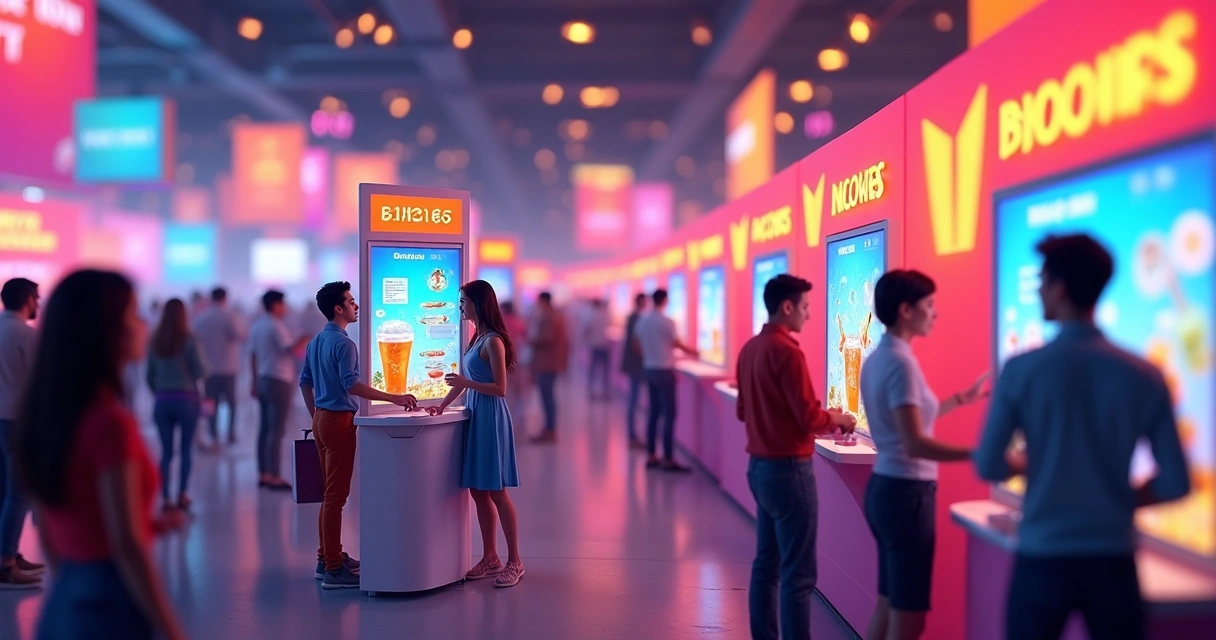 Integrated management: from sale to inventory
One of the biggest pain points for businesses betting on modern technology is connecting everything in a functional way. What good is it to implement self-service kiosks if you then have to enter everything manually into the ERP? Or accept several forms of payment but be unable to reconcile them in the back office? That is where integration comes in.
Integration reduces rework and gives a complete view of the operation.
Why integrate sales, inventory and payments?
- Real-time control: Instant view of sales, inventory consumption and receipts on a single dashboard.
- Fraud prevention: With every transaction mapped, curbing irregularities becomes simple.
- Hassle-free management: Reduces time spent on manual reconciliation and minimizes human error.
- Informed decision-making: Unified data helps you understand audience preferences and plan purchases and promotions.
myTapp's integrated system, for example, connects smart draft beer taps, digital payments, custom apps and even extra features, such as rankings and consumption TapLists. All of this is reflected in more conscious consumption, less waste and a higher average ticket. In the article about questions on self-pour draft beer from myTapp, you can see examples of how integration affects the bar team's routine and even service to the end customer.
Payment method flexibility: adapting to the customer
There is still a consumer profile that values paying in cash, while others carry only their phone and almost never have a wallet. Or people who want to pay online and pick up at the counter, especially in the “pay and pick up” model, which mixes the best of the physical and digital worlds.
You do not choose how the customer wants to pay. They decide.
That is why an agile business is one that offers as many options as possible, without confusing the consumer or the sales team. Consider these methods, each useful for different audiences and situations:
- In-person payments: Cash, debit, credit.
- Digital payments: Pix, QR Code, digital wallets.
- Prepaid or advance payment: Sale of credits for consumption at events.
- Payment at kiosks or apps: 100% autonomous purchase and completion.
- Payment link: For delivery or in-store pickup (pay and pick up model).
The secret is to integrate all these flows into a single system that automatically records the payment, updates inventory and releases delivery of the product or access to the service. That is exactly where solutions like myTapp's stand out, providing this operational fluidity and total control.
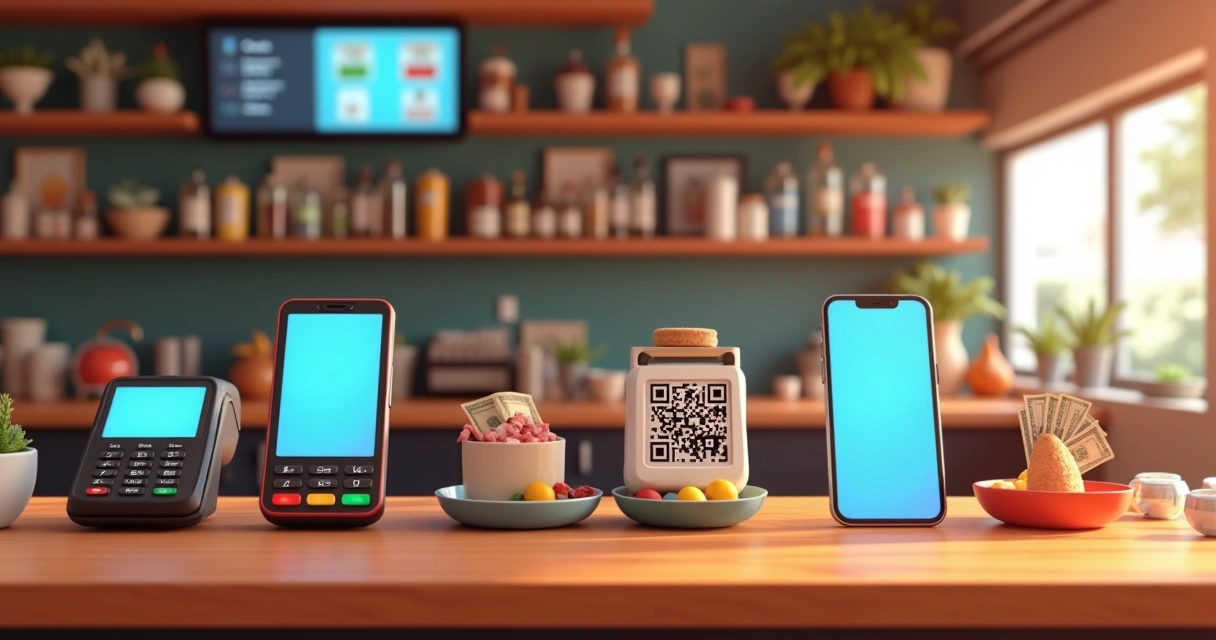 Direct impacts on customer experience and revenue
What you can see, from data and from the everyday life of bars, pharmacies and restaurants, is that businesses that make payment simpler sell more and deliver better service. The Close-Up International survey indicates that, as self-service gains ground in establishments, we see a direct jump in average ticket, especially with a broad assortment and efficient management. In practice, the experience gets shorter – less waiting, fewer errors, more control over one's own time. And indirectly, the manager sees benefits such as lower shrinkage, less spending on training and more security in the operation, since the system records everything automatically without depending on the operator's memory or honesty. Customers used to this standard hardly accept going backward. They start looking for brands that offer flexibility, convenience and integration. But delivering all this requires planning, a good choice of partners and technology – and here it is worth remembering that myTapp designed self-service solutions centered precisely on these pillars.
A satisfied customer comes back and brings more people.
By the way, there is an interesting trend identified in the Kantar survey: consumers' search for autonomy creates a domino effect, making other customers want to try new forms of self-service, expanding adoption.
Common challenges and questions from entrepreneurs
Despite all the advantages offered by self-service, many entrepreneurs still face some recurring questions. Among the main ones are:
- Is my audience ready to accept self-service?
- Do digital payments carry risks?
- How can I prevent fraud and keep inventory under control?
- Is the initial investment worth it?
- What is the best way to manage different payment methods?
The answers to these questions depend on careful implementation, proper training and the choice of reliable systems. myTapp, for example, offers solutions that ensure real-time inventory control and detailed consumption reports, integrating with existing ERP systems and minimizing fraud risks. As for return on investment, it is important to note that it tends to be recovered quickly, since increased sales, reduced waste and savings on staff are factors that contribute to the business's financial sustainability. In addition, investing in technology not only adds value to the brand but also reinforces an innovative image with customers, especially Gen Z, who look for more interactive and practical experiences, as covered in our latest blog post.
The importance of the omnichannel experience
Consumers move easily between digital and physical. The “phygital” trend, described in the Kantar report, shows that integrating different channels is no longer a differentiator but a necessity. Those who manage to offer the same experience at every touchpoint get far ahead and attract a customer who values freedom and speed well above price. Think of a customer who orders in the app, pays by phone and picks up the order at the store. Or someone at an event who tops up credits online and consumes at kiosks or smart taps. The practical impact? Less friction, more satisfaction and higher sales.
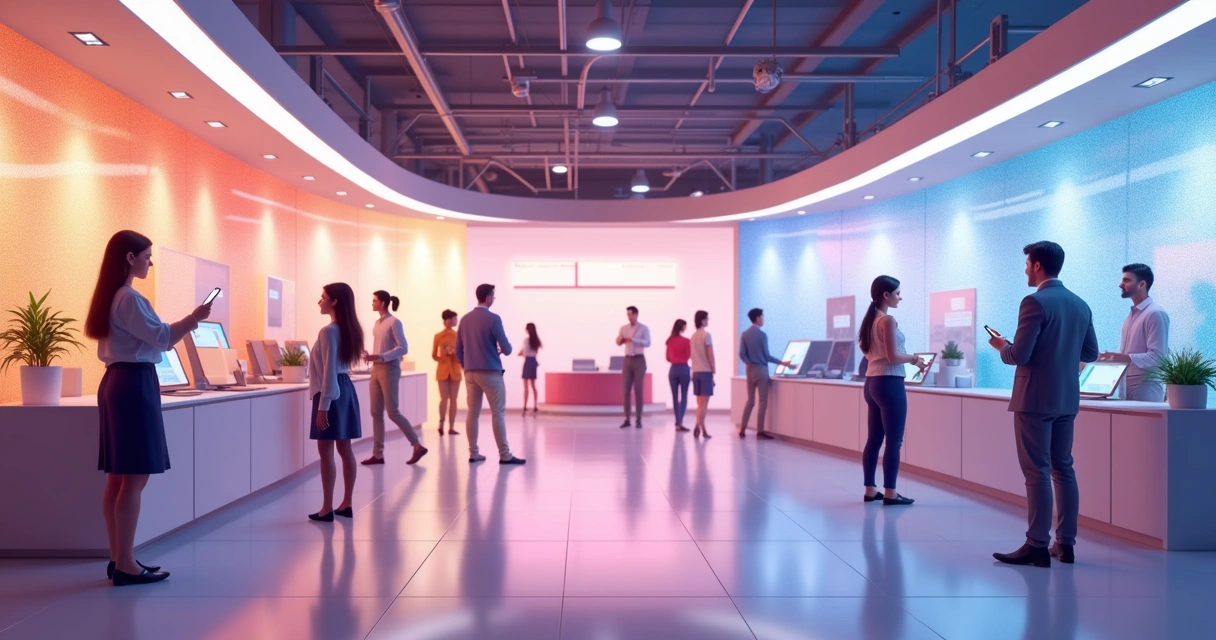
myTapp, for example, lets customers move through all these environments seamlessly, with management control just a few clicks away – and always with real-time reports.
Implementing self-service in your business
The transition to more autonomous service models is an increasingly necessary reality for bars, restaurants and stores. The process does not have to be abrupt; it is essential to explore the available options and make gradual adjustments to ease customer acceptance. Below, we present a practical and flexible guide to start this transformation:
- Identify the points for improvement: Analyze where lines or confusion occur and find out which aspects are causing dissatisfaction among customers and staff.
- Research references and cases: Study the competition and consult our content on self-service for bars.
- Determine which processes can be automated: Evaluate the options of kiosks, apps, mobile POS and digital payment methods that best suit your business.
- Choose reliable partners: Opt for integrated, robust and adaptable solutions, like those offered by myTapp. Check our pricing page to understand your options.
- Run pilot tests: Implement small-scale projects, collect user feedback and make adjustments based on the responses received.
- Invest in training and communication: Make sure your team and customers are comfortable and well informed about the new procedures.
- Evaluate results and expand the rollout: Monitor sales and customer satisfaction and seek to reduce costs. Expand the solutions gradually, always consolidating what you learn.
It is important to remember that you do not need to get everything right immediately. The focus should be on starting and progressing, using technology that keeps up with the demands and growth of your audience.
On the myTapp blog there is content that helps you choose the best technologies, whether in choosing smart taps for self-pour or in the details of integrating systems. And, of course, always counting on dedicated, facilitating after-sales technical support.Conclusion
At the end of the day, self-service models, mobile POS and pay-and-pick-up systems have changed not only how consumers buy, but how the business organizes itself internally and perceives its own sales potential. The role of well-used technology is precisely to be a bridge between the customer's desire for independence and the manager's need for control.
Those who deliver autonomy with security attract and retain.
Knowing how to choose and combine the best self-service payment methods, with integration and qualified support, is the key to selling more and delighting your audience. That is what myTapp does: it validates, customizes and modernizes operations of all sizes, bringing real innovation and increased revenue. If you want to learn about the benefits of self-service and take the next step in transforming your business, get to know myTapp better and see how we can simplify every step so you can grow – with intelligence, flexibility and practical results.
Frequently asked questions
How does payment work in self-service?
In self-service, customers themselves choose, order and pay for their purchase independently, usually using kiosks, apps, smart machines or mobile terminals. Payment options may include card, QR Code, Pix, digital wallets or even cash. The most important thing is to make sure the process is intuitive and fast, offering different methods according to the audience profile and with full integration to the establishment's management – as in the systems developed by myTapp.
What payment methods can I use on mobile POS?
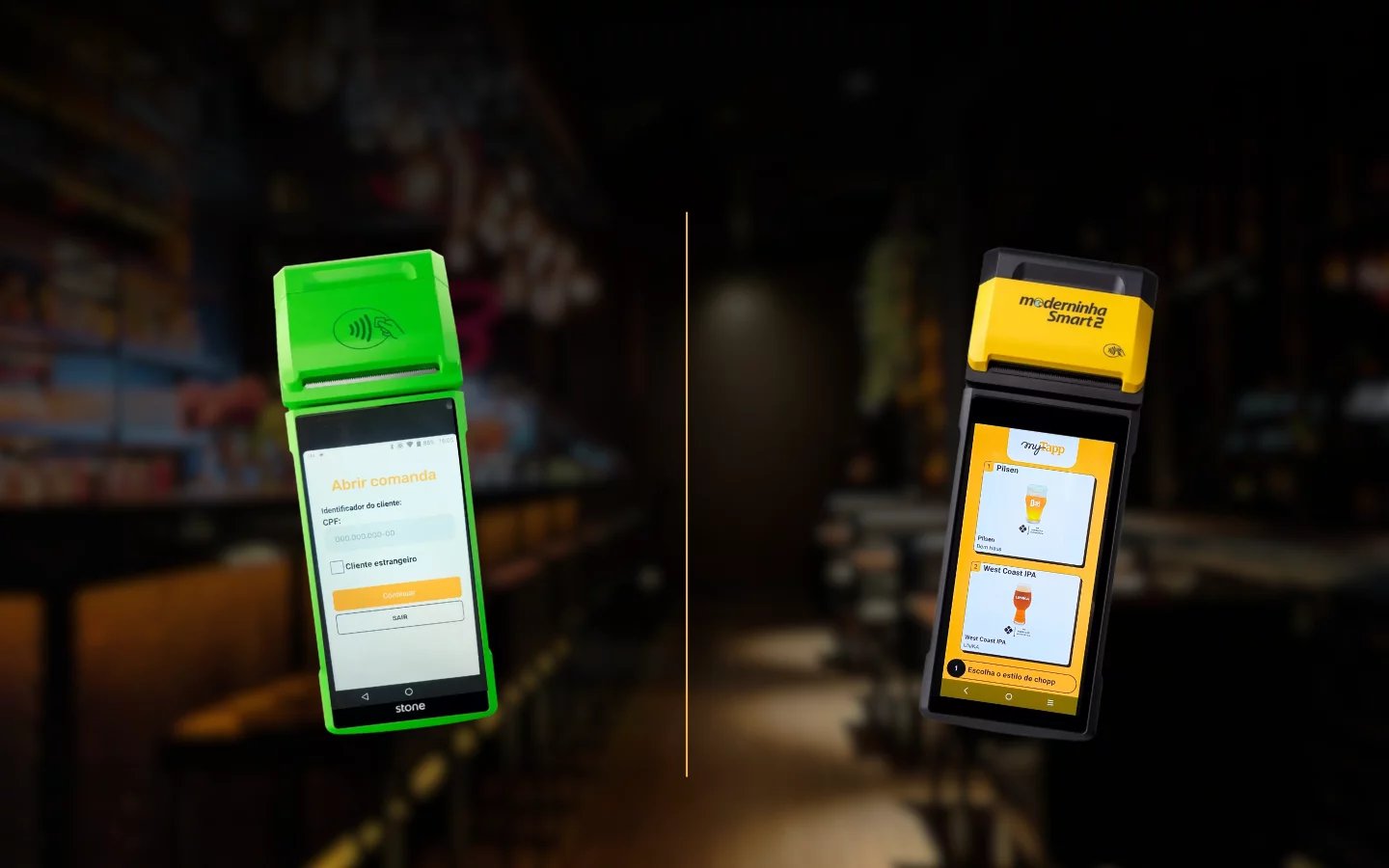
On mobile POS, which works like a card machine used by the server, you can accept various contracted card brands, including credit, debit and meal vouchers. myTapp's operation runs directly on the Stone smartPOS, allowing tabs to be opened and offering prepaid payment options, where the customer tops up credit directly on the machine, and postpaid, which allows billing and closing of tabs. There is also integrated NFC-e issuance, with more features to be released soon.
Advantages of the "pay and pick up" model
The “pay and pick up” model offers customers the convenience of paying and pouring directly at the tap, eliminating the need for prior registration. Age verification is performed automatically, ensuring speed and safety. Payments can be made by credit, debit and Pix, providing a fast and convenient experience. This approach not only significantly reduces wait times, but also minimizes lines and physical contact, increasing safety for everyone involved. For establishments, this translates into a more efficient operation, allowing service to be optimized and teams to be managed effectively, resulting in greater satisfaction among customers who prioritize speed and convenience in their experiences.
Subscribe
Subscribe to the myTapp newsletter and get first access to new articles, with actionable insights for those who decide, plan, and run high-traffic businesses.
Recommended posts
Selected content to explore topics such as self-pour beer, customer experience, and operational efficiency, with practical lessons for decision-makers and those who follow market developments.
Capital Moto Week case study: how self-pour beer scaled the operation at a festival of 800,000 people
At the largest motorcycle and rock festival in Latin America, with about 800,000 people over ten days, self-pour beer kept pace with the event's growth without losing control. In the 2026 edition, the volume served rose more than 18% and the number of sales grew almost 29%, while operational efficiency went from 89% to 93%. The case shows how smart taps sustain beverage operations when the crowd arrives in waves.

Self-pour beer at parks and resorts: how to end lines and waste
In high season, the bar line is one of the biggest bottlenecks at a park or resort: visitors give up, miss out on the attractions and the operation loses sales. Self-pour beer ends the wait, cuts beverage service staff by up to 80% and reduces waste from about 15% to 3%, with real-time consumption data for management.
Self-pour draft beer for events: how to end the lines and sell more at festivals
At a festival's peak, the bar line is where revenue slips away. Self-pour draft beer ends the wait, cuts service staff by up to 80% and reduces waste from about 15% to 3%. With real-time consumption data, the operation decides on the spot and sells more at the moment that matters most.

Receive regular updates on new products and industry trends.