
Tips to grow your bar's success with self-service technology
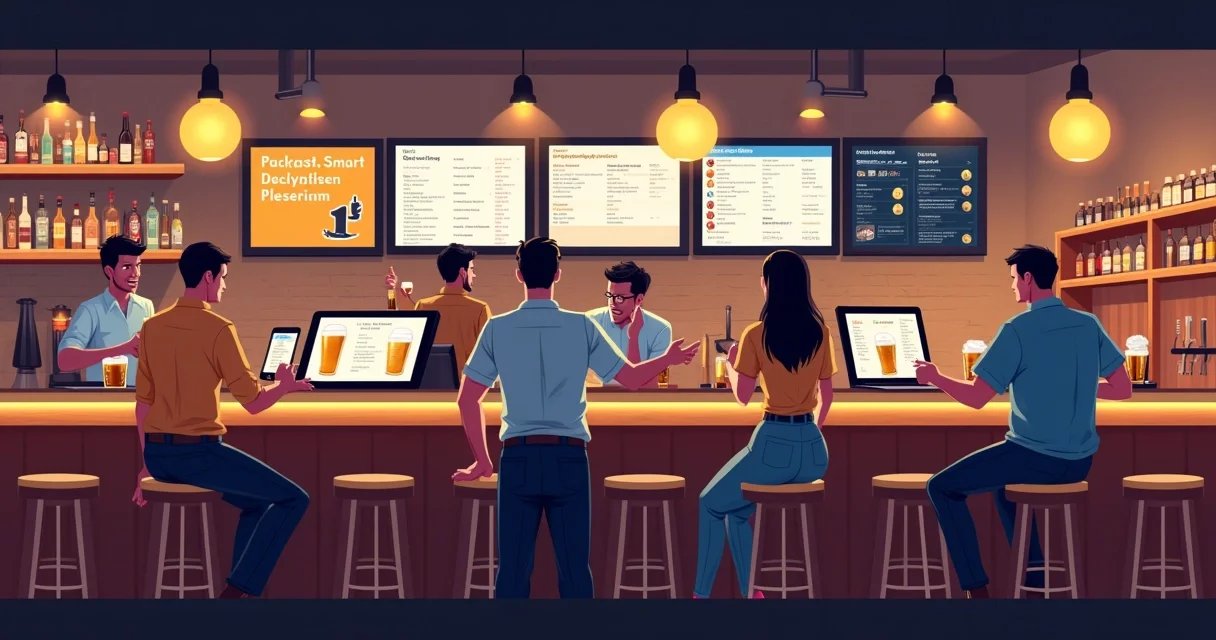
Once, I heard a bar owner say: “If customers were happy just waiting for the server to show up, there wouldn't be so many lines of people complaining at the counter.” Deep down, he was right. Running a bar, or any business with heavy traffic, takes more than good drinks and a nice atmosphere. It takes management, speed, interaction, accurate service. And maybe a little boldness to change the way things have always been done.
This is where self-service technology starts changing the game. From lines to smart draft beer dispensers, along with custom apps, it helps turn what used to be complicated into simple processes.
Less waiting. More experience.
But how do you really put this idea into practice? How do you make sure the technology isn't just decoration but delivers real results? I want to share tips, experiences and a few points of reflection on how self-service can be more than a mere modernization of your bar.
Why think about self-service?
Customers have changed. Maybe you, reading this now, have also preferred to handle something on your own, avoid lines or not depend so much on how quickly others respond. At the bar, the situation is similar: customers want to interact at their own speed, enjoy the moment and feel they have control over their order.
Self-service technology is born from this, as a response to habits that have changed along with people. And of course, it's not only to make things easier for the customer – it ends up opening opportunities for the whole business to grow in a different way, with fewer bottlenecks.
- Reduces lines and service delays
- Reduces order errors, since the customer makes the choice
- Encourages mindful, personalized consumption
- Lets employees focus on more strategic tasks
- Brings data and information for decision making
It looks like just technology, but it's a detail that makes a difference every day.
Exploring the paths: types of self-service for bars
The world of self-service is very broad. There is no single right model; it all depends on the bar's concept, audience, physical space and even customer profile. Sometimes simple works best. Other times, it's worth betting on several integrated solutions.
Smart draft beer dispensers
The self-pour draft beer system is perhaps the best-known tip of this movement. It's the model in which the consumer pours their own glass, controlling how much they will drink and paying exactly for that.
Solutions like those developed by myTapp already bring, along with the smart taps, integration with payment systems, management apps and mechanisms to create the famous “Customer ranking.” Besides preventing waste, the experience becomes more fun, interactive and personalized.
Want to learn more about self-pour draft beer, its advantages and how it works in practice? You can access in-depth content on the how self-pour draft beer works developed by myTapp itself.
Self-service kiosks
These are ordering points where customers can browse the menu, choose options, pay right there and wait to be called. They work in larger venues – or in bars with event areas, for example.
- Reduces traffic at the main cashier
- Gives freedom to the consumer
- Helps create exclusive promotions and combos in the system
It's worth considering this kind of setup at peak hours or in that busier outdoor area of the bar.
Service apps and QR Codes on the table
Another strong trend. The customer points their phone camera at the code on the table, opens the digital menu, orders without waiting for the server and can even pay through the app if they want. This kind of solution was a breather for many establishments in recent years, during turbulent times.
Technology that brings people closer. Not apart.
The central idea is always to give the customer autonomy, without giving up the human touch (when wanted) and hospitality.
Interactive tables and engagement
Some bars bet on even more immersive experiences: interactive tables, ranking systems, digital boards, TapLists with real-time suggestions and statistics. Besides encouraging consumption, it creates that feeling of being part of the place, of being somewhere connected.
In myTapp's case, the platform already includes some of these engagement features to bring the customer closer to the business and make every visit unique.
How technology changes the bar's day-to-day
Adopting a self-service model can transform everything from small routines to the way you think about the business itself. I've heard many owners and managers say something like: “I never thought that just automating part of the service would change the traffic so much.”
And truly, the impacts go beyond the counter.
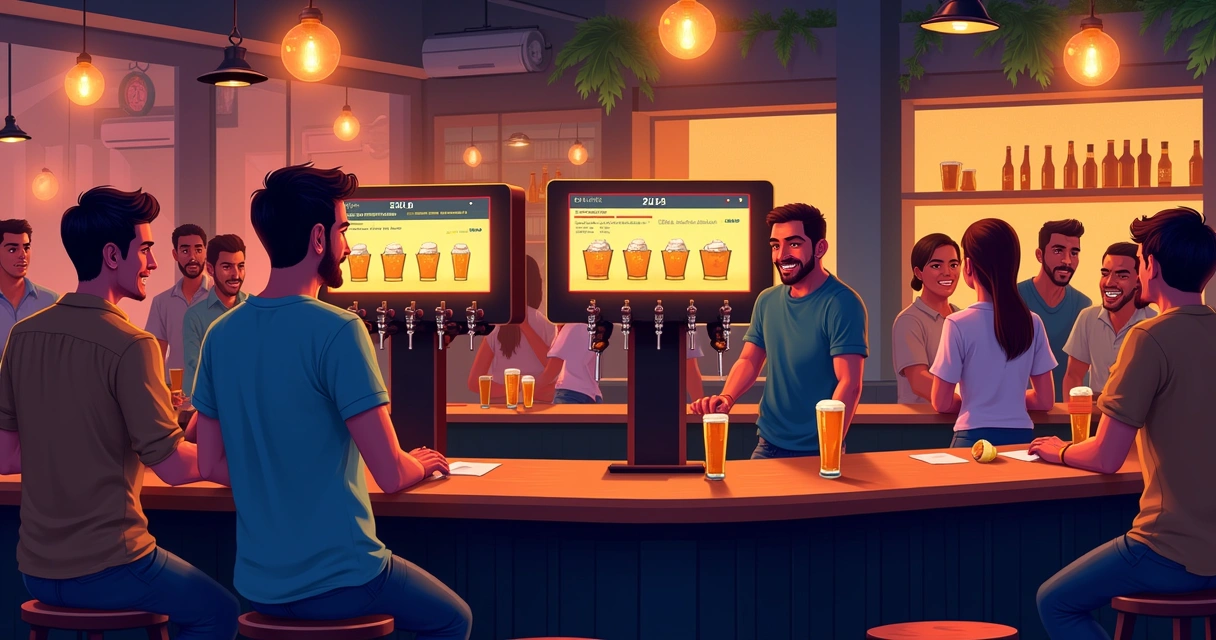
In service
First impressions matter a lot. And sometimes what makes a customer's eyes light up is how easy it is right at arrival. Kiosks for picking up tokens, an app to find out which is the beer of the day, a QR Code to access the customer ranking, taps activated straight from the phone.
All of this removes barriers, builds interest and also eases the rush for employees.
- Lower average wait time
- Fewer lines and bottlenecks at the entrance
- More autonomy for those who like to discover the options independently
- Possibility of digital interaction (points, recommendations, rankings)
In operations
Inventory management becomes more precise. With integrated self-service systems, every pour is recorded automatically. How much beer is in the taps? You can monitor it from your phone. Consumption by period? Reports come out in seconds.
This makes the routine lighter for those in charge of the bar and reduces those classic problems of losses, leftovers or confusion in the records.
Managers gain time to create promotions, improve service, study preferences and try new things. myTapp's solutions, for example, already include tools that simplify this tracking and boost what really matters: more satisfied customers, less waste.
At the register and in finances
Automating payment systems (kiosks, apps, card integration) reduces human error, avoids wrong change, makes installment payments easy and cuts the chaotic movement around the register at the busiest hours.
- Better control of receivables
- Fewer frauds and inconsistencies
- Faster shift closings
Don't underestimate the impact of these small changes: besides speeding things up, they “take the weight off your back”: money flows clearly and the customer notices greater care in the experience.
In the customer experience
Maybe this is the main reason to invest in self-service. The customer sees that everything happened lightly, smoothly, without stress – and that comes back as praise, social media posts, recommendations, frequent returns.
A happy customer always comes back.
Digital engagement tools can turn customers into “fans” of your business. Rankings, TapLists, gamification and exclusive promotions in the app build bonds and encourage continuous interaction.
If you want to learn more about the practical benefits of self-pour draft beer – for both the house and the public – there is a special piece on why bet on self-pour draft beer that is well worth reading.
How to take the first step (without fear of getting it wrong)
A successful self-service bar isn't built on big investments alone. Sometimes the first step can be much smaller – but it needs to be firm.
- Study your audience and the bar's profile What makes sense for a bar full of college students may not work for a more traditional venue. What matters is understanding what your customer is looking for: convenience, speed, an interactive experience, exclusivity?
- Talk to those who have already implemented solutions Exchange ideas with other owners, do your research, ask questions directly to companies in the field. Transparency about the challenges helps avoid pitfalls.
- Start with what makes the most sense It could be a kiosk, a self-pour draft beer dispenser, a tab app. Starting small is better than waiting to “do it all” and never getting off the ground.
- Train the team It's not enough to install the technology and wait for magic. The service staff need to know how to guide, cheer up and welcome questions. Support is part of the experience.
- Monitor and adjust without fear Track the results, ask customers for feedback, talk to the floor team. Adjustments are part of the process.
Little by little, self-service culture becomes a natural part of your bar, something customers will look for – and first-time visitors realize there is a differentiator.
What to consider before investing
Choosing technology solutions is an important decision that goes beyond the initial price or the “trend” of the moment. Analyze technical criteria, cultural fit, support and flexibility.
- Are post-sale support and service available?
- Can the system be customized for your environment?
- Is integration with register/inventory systems simple?
- Are the data and reports truly accessible?
- How easy is it for a customer to use it for the first time?
- Does the supplier have experience in the bar niche?
myTapp, for example, stands out for combining automation, customization and specialized support for businesses of all sizes – and for not leaving the bar in the lurch during implementation.
For those with questions about how it works in practice, from implementation to day-to-day, this article on self-pour draft beer dispensers brings accounts, usage examples and explains how different models can fit your operation.
How to create interactive, unforgettable experiences
In the end, a good part of a bar's success is tied to the memory you create in the public. And that doesn't happen only with good drinks or a beautiful setting. The connection comes from detail, from the unexpected that makes a person tell friends about it later.
Gamification and customer rankings
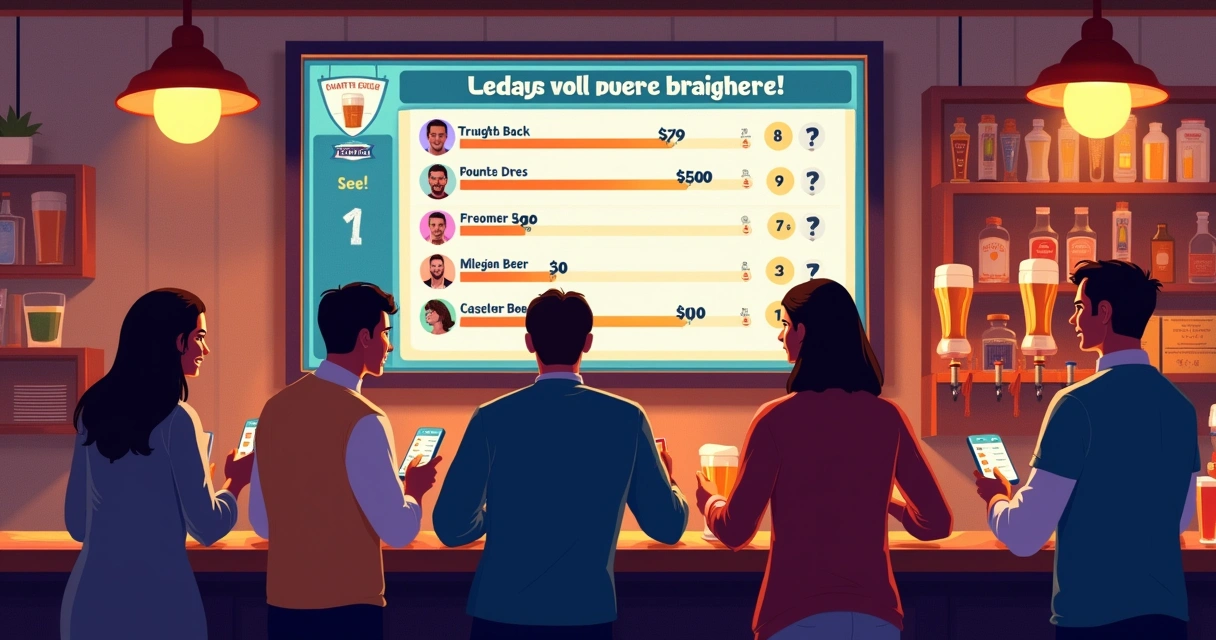
Healthy competition can be a great ally at the bar: rankings of the biggest “draft beer fans,” monthly prizes for whoever tried the most beer types, digital scoreboards showing achievements live. Besides being fun, it makes customers feel they are taking part in the venue itself.
myTapp invests in these forms of engagement, encouraging the digital experience – but without losing the human warmth of classic service.
TapLists and personalized suggestions
If you've ever thought about having a screen with information on each type of draft beer, suggestions based on the customer's history, snack pairings and even tips on what's trending right now, it's worth considering integrating TapLists and smart apps.
- Smart screens increase the perceived value of your drink menu
- They attract curious customers and naturally raise the average ticket
- Consumers like to discover new things in an easy, fun way
These solutions are quickly changing the way bars talk to a younger audience – and also to people who like technology.
Cost reduction: a less obvious path
Talking about self-service is also talking about rethinking costs, both visible and invisible. That's where many owners are surprised: adopting systems, especially for pouring draft beer, cuts waste, minimizes losses and reduces the need for multiple employees at critical hours.
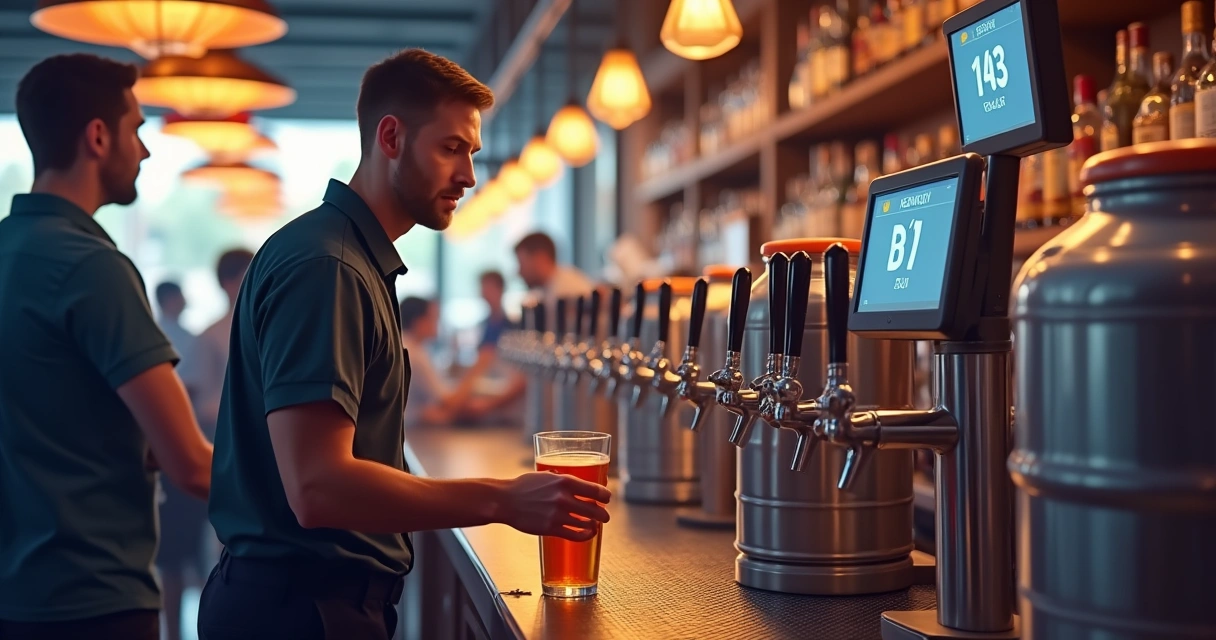
- The amount of draft beer poured is measured in real time
- Each customer pays exactly for what they consume
- Less waste from human error or forgotten glasses
- Staff can be reallocated to serve better in other tasks
It's common to see, after implementation, a significant drop in raw material consumption without losing traffic – and an increase in margins.
In fact, we listed the most innovative solutions for bars in the search for modernity and real results.
Another point that is sometimes hidden: operational security. With digital records, misunderstandings, complaints and possible fraud become much rarer.
Technology protects your business without you noticing.
Main challenges (and how to overcome them)
There's something important: it's not all roses. Introducing technology also means meeting resistance. Some customers may find the new format strange, and some employees fear losing their place or feel insecure about changes.
When I talk with bar owners who have gone through this transition, very different accounts come up. Some say the final adaptation takes weeks. Others, that a single lively night was enough for everyone to get the hang of it. It's a process, with ups and downs – and that's okay.
- Train the team well: simple displays, calm service, patience in guiding people.
- Keep channels open for questions: QR Codes with tutorials, support staff available, clear communication in the venue.
- Listen to customers: feedback helps adjust course quickly, before rejection spreads.
- Don't remove human service: technology adds, it doesn't replace. Always keep people nearby.
This coexistence between digital and traditional creates something unique. The secret is not to abandon everything at once, but to adapt, test and let the customers themselves set the pace.
Extra tips to boost your bar's success
Experience shows that small actions make a difference when introducing self-service into the bar setting. They are not always complex solutions, but practical day-to-day details.
- Efficient visual communication: use signs, instructions next to the kiosks, examples of use on social media. The fewer the doubts, the greater the acceptance.
- Launch event: turn the opening of a new system into a celebration. Hand out freebies, offer discounts in the first week, involve local influencers.
- Show security: show that the system is easy, safe, transparent in payment and ensures mindful consumption.
- Offer fast technical support: nobody likes waiting to resolve a simple question. Experienced companies, like myTapp, offer ongoing support precisely for these cases.
- Update the digital menu: always keep new items, updated photos, suggestions, combos and objective information on the kiosks and apps.
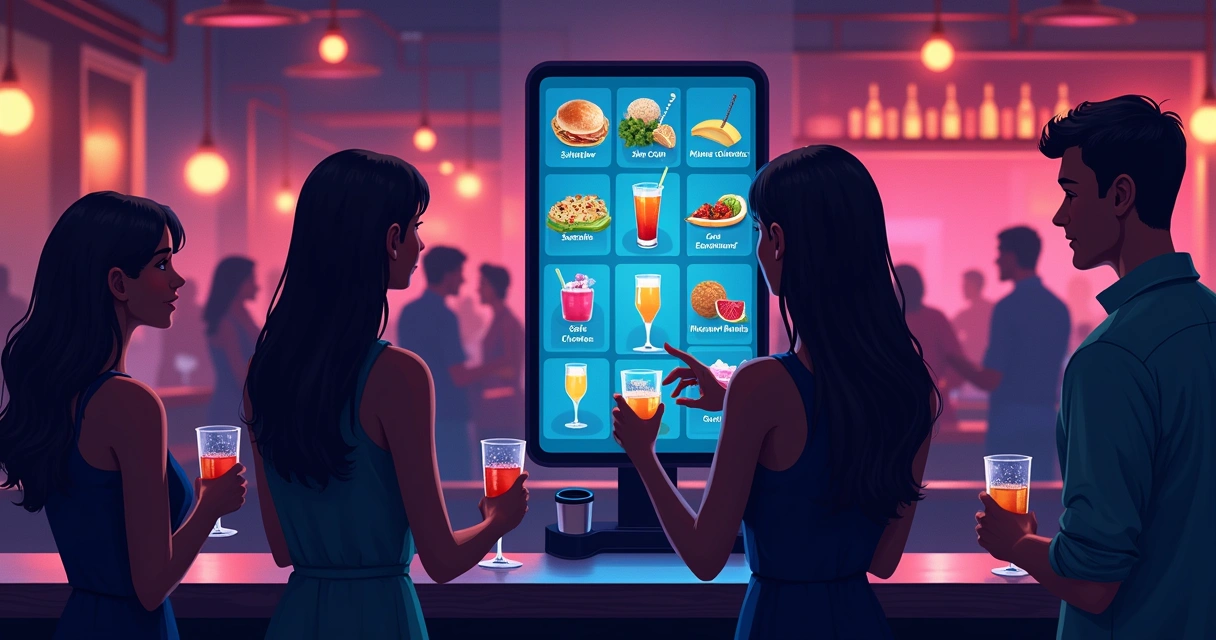
Is the future of bars heading toward self-service?
Many believe so. It's unlikely that the human experience will be left aside, after all – chatting, laughing, asking for a drink suggestion remain indispensable. But technology is already on its way to becoming the bar's “right arm,” doing what it can to take the weight off those who serve.
Bars that manage to balance the best of both worlds tend to stand out – whether for atmosphere, innovation or the satisfaction of those who keep coming back.
After all, nobody goes back to a bar just for the price. They go back for the experience.
The secret, perhaps, is not replacing people with machines. But creating an environment in which technology serves everyone: owner, employee and customer.
For those looking for ways to expand the business and create memorable experiences, I also recommend this article on tips to grow the bar consistently, with or without self-service technology.
Conclusion: reinvent your bar, but don't forget its heart
Technology doesn't have to take the soul out of the business. On the contrary, it can free up time to polish what only the bar of your heart knows how to do: welcome people, move them, create memories. Solutions like myTapp's come to support this process, humanizing management, personalizing the experience and opening doors to the future of the industry.
Those who innovate care more.
How about taking the next step? Find out how myTapp can transform your bar's day-to-day, bringing more results and satisfied customers. Explore our solutions, share your questions, allow yourself to see a future where technology and tradition walk side by side. Your bar deserves this leap.
Subscribe
Subscribe to the myTapp newsletter and get first access to new articles, with actionable insights for those who decide, plan, and run high-traffic businesses.
Recommended posts
Selected content to explore topics such as self-pour beer, customer experience, and operational efficiency, with practical lessons for decision-makers and those who follow market developments.
Capital Moto Week case study: how self-pour beer scaled the operation at a festival of 800,000 people
At the largest motorcycle and rock festival in Latin America, with about 800,000 people over ten days, self-pour beer kept pace with the event's growth without losing control. In the 2026 edition, the volume served rose more than 18% and the number of sales grew almost 29%, while operational efficiency went from 89% to 93%. The case shows how smart taps sustain beverage operations when the crowd arrives in waves.

Self-pour beer at parks and resorts: how to end lines and waste
In high season, the bar line is one of the biggest bottlenecks at a park or resort: visitors give up, miss out on the attractions and the operation loses sales. Self-pour beer ends the wait, cuts beverage service staff by up to 80% and reduces waste from about 15% to 3%, with real-time consumption data for management.
Self-pour draft beer for events: how to end the lines and sell more at festivals
At a festival's peak, the bar line is where revenue slips away. Self-pour draft beer ends the wait, cuts service staff by up to 80% and reduces waste from about 15% to 3%. With real-time consumption data, the operation decides on the spot and sells more at the moment that matters most.

Receive regular updates on new products and industry trends.