
What does Gen Z think about self-pour beer?

The beer world is going through constant transformation, much of it directly tied to technology and changes in consumer behavior. This movement becomes even clearer when we look at the habits of young people, especially Generation Z.
Born into a digital environment, these consumers are always connected, value personalized experiences and have clear opinions about innovation. Self-pour beer emerges as an alternative to traditional models, repositioning the consumer experience at bars, breweries and events. Solutions like those from myTapp fit into this scenario by connecting technology, data and the consumer experience.
A new way to drink draft beer: autonomy, interactivity and innovation
Self-pour beer has transformed the way drinks are ordered and consumed. Instead of waiting for conventional service, customers go to the tap themselves, use smart cards or wristbands and pour exactly the amount they want.
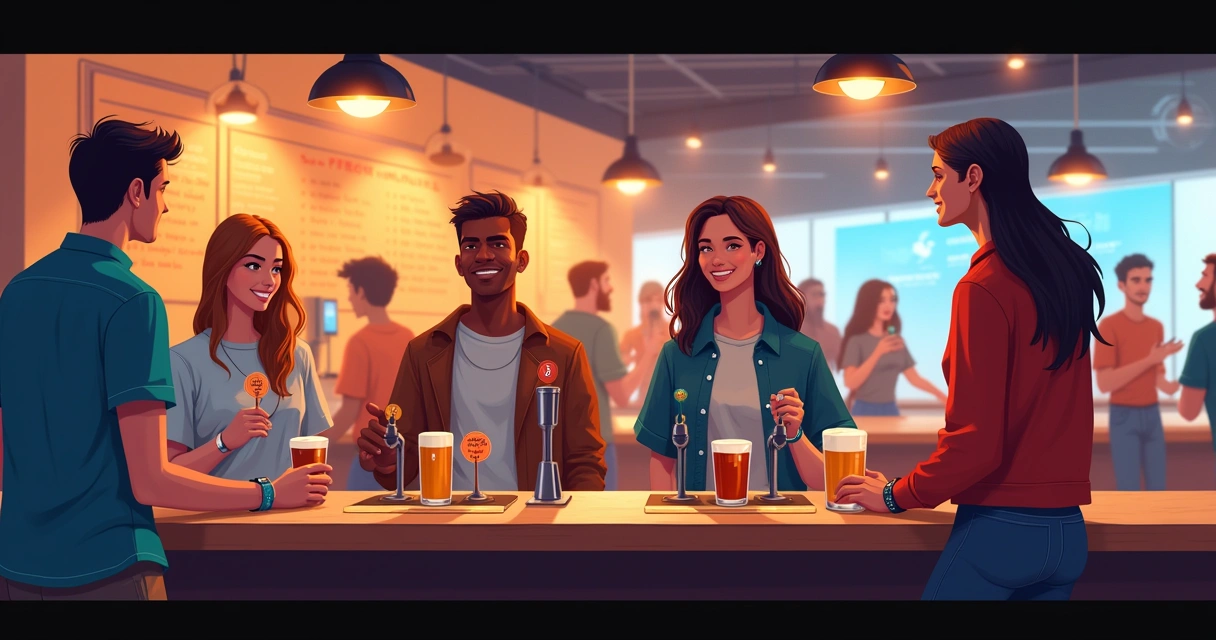
In a country with a strong bar culture, the traditional model seemed hard to change. However, technology made it possible to reinvent processes and give consumers more freedom. myTapp is one of the pioneering companies in this movement, combining technology, usability and smart management to modernize bars and events.
Gen Z's relationship with technology and consumption
Generation Z grew up surrounded by smartphones, apps and digital services. This behavior is directly reflected in consumption:
• They value fast, frictionless experiences
• They prefer digital solutions and self-service
• They seek autonomy and control, including when drinking draft beer
Research indicates that young people are highly receptive to food and beverage innovations, as long as the experience is clear and intuitive.
Why is self-pour the choice of the future for bars and breweries?
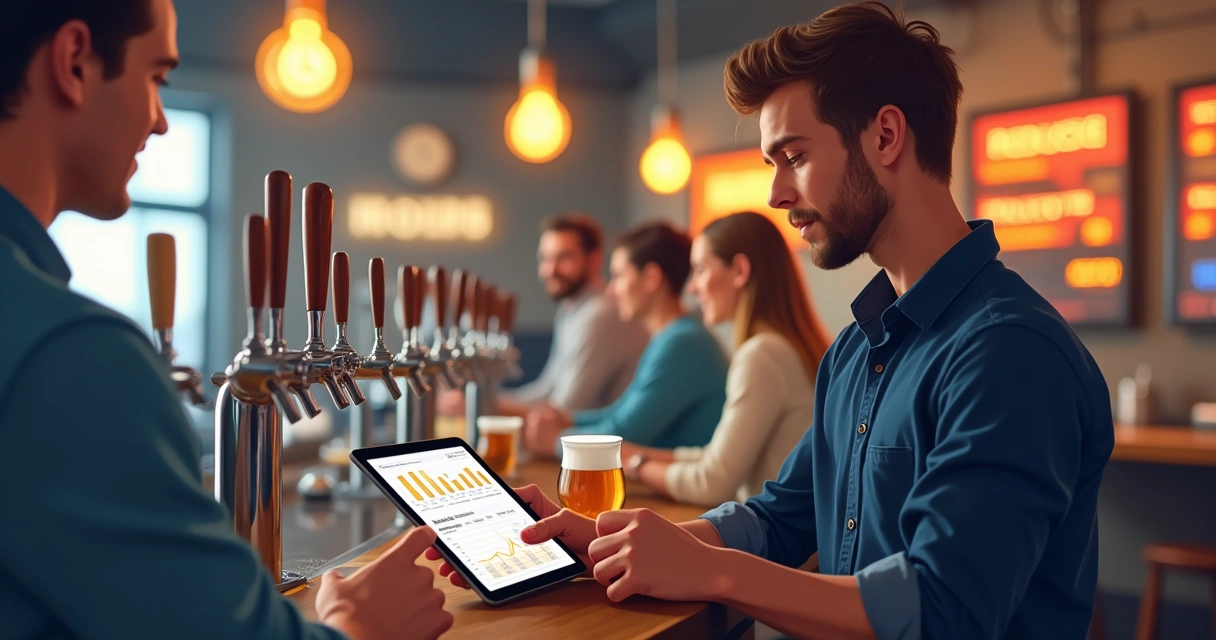
The growth of self-pour goes beyond a passing trend. It is tied to operational efficiency, waste reduction and better control of consumption.
• Elimination of lines
• Fewer errors
• Greater variety of styles
• Financial and operational control
• Easier inventory management
How the technology behind self-pour beer works
The secret to this model's success lies in a few technical details that seem invisible to someone just enjoying their glass but make all the difference.
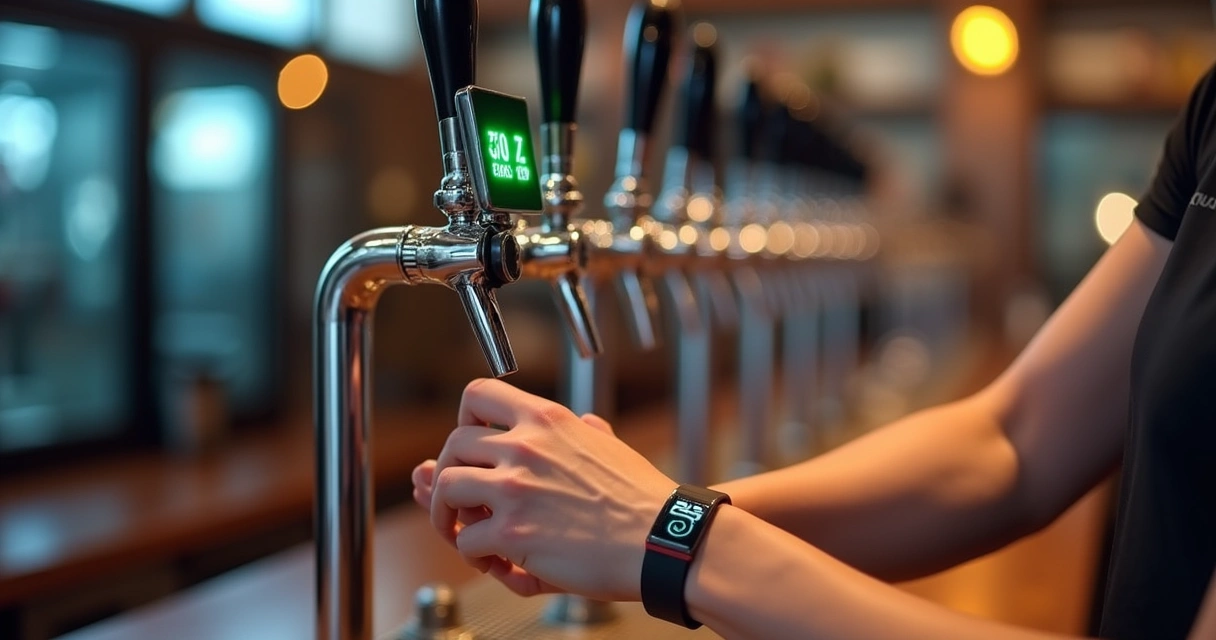
Using RFID, cards and wristbands connect to the bar's management systems. Each time the tap is activated, data on volume, type of beverage, time and customer identification is stored in real time, giving the business a detailed view and recording individual consumption. And best of all: it also avoids the waste typical of conventional service.
- Smart taps: limit or release pours according to controls set by the customer and the venue.
- Interactive systems: apps where people track how much they have consumed and take part in rankings or exclusive promotions.
- Engagement: information displayed in real time creates healthy competition, shows which styles are trending and even suggests pairings.
- Integrated management: lets the venue analyze consumption, trends and label performance, adjusting promotions almost instantly.
The myTapp system brings these features together with customized digital panels and tools to engage customers, such as TapLists and Rankings, all designed to innovate without complication.
What attracts Gen Z: experience, autonomy and technology
When you watch this kind of service arrive at bars, the curiosity of younger people is quickly noticeable. But beyond novelty, there are other reasons that weigh on acceptance. According to a Talkdesk Research survey, only 24% of Gen Z prefer to talk on the phone. They shy away from the traditional and want to solve everything digitally, whether through an app, chatbot, touchscreen panel or simply a QR code (Revista do Empreendedor).
"The experience counts as much as the product."
Inside bars with self-pour beer, the most common scene is young people going to the taps, choosing among several styles and posting photos of the experience. At first, many do it because it is trendy, then for convenience, and in the end they come back for the personalization and spending control. Being able to decide how much to drink without having to flag down a server is seen as an advance that fits Gen Z's need for autonomy.
Managers' perception: advantages and challenges of self-pour
For those who run bars or breweries, self-pour is an alternative for dealing with reduced staff, avoiding errors and waste, and attracting a younger audience. But it is not all roses: there is always the fear of losing closeness with the customer and of meeting resistance from a more traditional audience.
"Adopting innovation takes courage, and a bit of patience."
One of the initial obstacles is the investment. Adapting the space, training the team and communicating properly are essential for the transition to go smoothly. But once it is running, the system shows its advantages.
- Lower labor costs.
- Less beverage loss and leftovers.
- Easy to identify which beer styles sell the most.
- Ability to run exclusive campaigns, contests and promotions in real time, stimulating consumption even more.
In many venues, self-pour was introduced gradually, starting with events or promotional rounds. This let customers test it little by little and managers understand the real impact on revenue and experience. myTapp, for example, provides support for this adaptation, making sure both the manager and the team are aligned on the system's features, safety and benefits.
Autonomy, personalization and engagement: the new watchwords
For Gen Z, personalizing is almost in their DNA. They want to build playlists, create combos their own way and even choose the pour size, whether just a sip to taste or a full glass to enjoy. Self-pour arrives to meet precisely this desire for flexibility and customization.
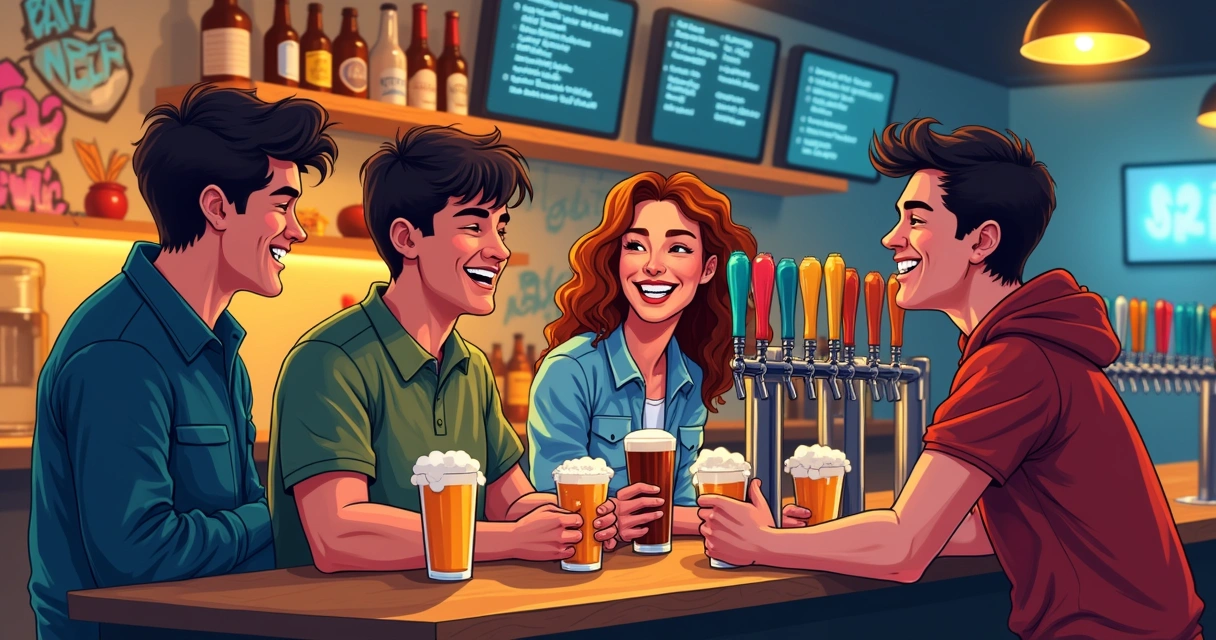
- Build their own combos.
- Explore new styles without committing to large quantities.
- Record the experience, share it on social media, take part in the bar's rankings.
In self-pour, the customer is part of the process. This creates engagement, reinforces that feeling of “belonging” to the craft beer movement and encourages return visits. Systems like myTapp leverage this engagement to deliver personalized suggestions and make sure every visit is a unique experience.
Impact of self-pour on waste reduction and responsible consumption
Self-pour beer not only gives customers autonomy but is also an effective solution for reducing waste. With greater control over the amount they pour, consumers do not feel obliged to "fill the glass" so as not to leave drink behind. This practice is reflected in detailed reports that monitor consumption, recording precise data on what is being consumed, at what times and by which customers. According to myTapp, "the self-pour system allows venues to adopt more efficient management, helping minimize losses and optimizing consumption." With Gen Z increasingly engaged in sustainable practices and responsible choices, this aspect proves fundamental. The possibility of trying small pours of different styles not only encourages exploration but also contributes to less waste, benefiting both the consumer and the venues.
How consumption data changes the bar's marketing
Another striking aspect of this innovation is making use of data. With the connected system, bars and breweries can find out which styles are hits, the best time for promotions and even put together combos based on customer preferences.
"Knowing the customer allows you to create better experiences."
- Targeted promotions: campaigns based on real habits, not just guesswork.
- Themed events: special IPA or Pilsner nights, or even pairings with the day's dishes.
- Loyalty: those who consume the most can be rewarded with gifts, discounts or participation in exclusive events.
- Instant communication: notices and information directly in the apps or on the tap displays.
For venues that partner with myTapp, using this kind of information has helped strengthen ties with the audience, create new products and even sell more at strategic times. The myTapp practical Q&A guide explains how all of this works together in the day-to-day of the business.
The experience across different business models
A differentiator of self-pour is how easily it can be adapted to different business profiles. From independent microbreweries to large bar chains in urban centers, the self-pour system can please different audiences, but each context requires small adaptations.
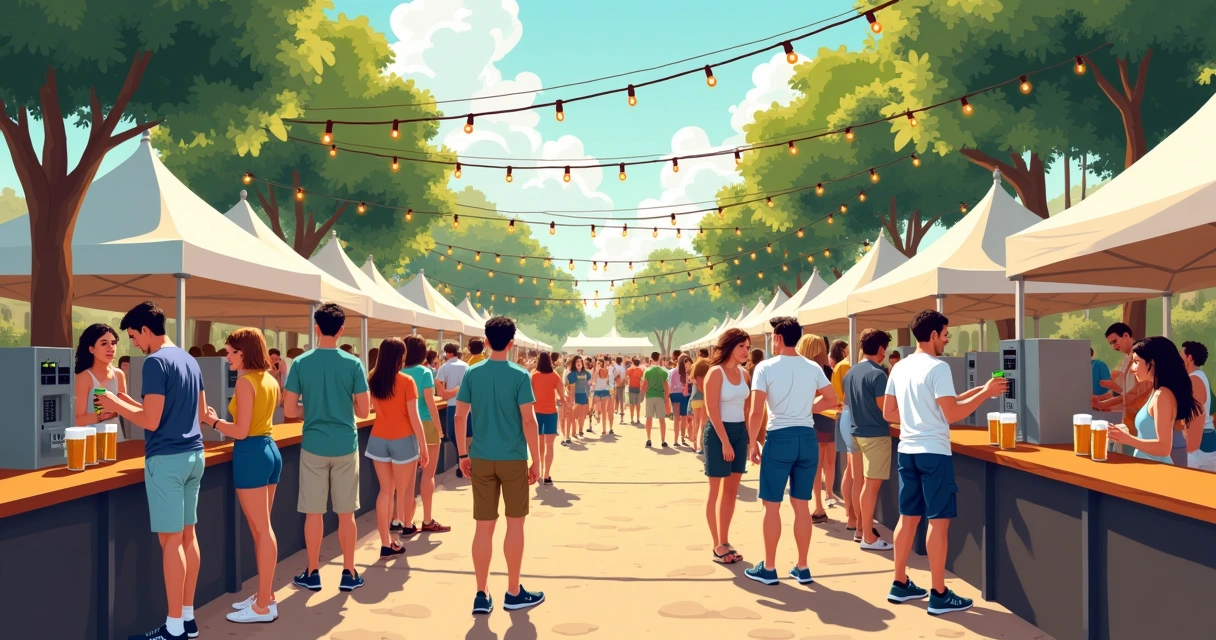
At birthdays or seasonal events, for example, taps activated by tab or QR code solve long lines and make “rounds” easy with no billing headaches. At traditional bars, a dedicated area lets the curious try it out and, little by little, receptiveness grows. Themed bars invest in tap personalization, their own apps and even integration with games and quizzes, turning consumption into true entertainment. Large events use the myTapp system to monitor consumption in real time, even organizing customer rankings and awards.
When self-pour meets resistance: the arguments against
Like any novelty, self-pour faces some resistance, mainly from consumers used to tradition. The main arguments involve:
- Missing the server's attention, the chat at the table, the personal recommendations.
- Concern about consumption safety, especially when alcohol is involved.
- Fear of losing the interaction and atmosphere of the bar, making the environment cold or impersonal.
"Change is scary, but making room can surprise you."
A survey mentioned by MindMiners also shows that half of Gen Z consumes alcoholic beverages (MindMiners). This indicates that the younger audience may be more cautious, or simply less interested in this type of service, depending on the cultural context and location.
Gen Z's opinions: freedom and distrust go hand in hand
When we ask young Gen Z people directly “do customers like self-pour?”, the answers vary. Many praise the independence and the chance to experiment, while others still view self-pour with a hint of distrust, especially when the system is not well explained or seems complicated. According to Consumidor Moderno, 74% of younger Millennials and 55% of Gen Z say reviews are decisive in their buying decisions. However, the same survey shows there is distrust about the authenticity of these reviews, which can also taint perceptions of new technologies at bars (Consumidor Moderno).
"It's cool to try something new, but I check whether the system is easy before I trust it."
Other factors weigh in:
- Ease of use makes a difference: confusing or unintuitive systems discourage even the most curious.
- Service still matters. Even with technology, many want someone to explain, give tips or solve a problem quickly.
- Interactivity and attractive design are essential. If the app or panel is simplified, with clear data and even a fun ranking, engagement grows.
On the myTapp blog, there are reports of venues that adapted their communication and created training so nobody felt lost when arriving at the bar. The result? Customers who are more confident, satisfied and inclined to order another round (self-service draft beer dispenser).
Practical examples: bars that bet on self-pour
There is no shortage of stories of bars that modernized their operations and renewed their relationship with customers. Let's look at some examples and shared perceptions:
- Craft breweries in college towns: attracted young people eager to build their own combos, creating beer festivals with different styles and an experience shared on social media.
- Neighborhood bars: started using self-pour only on busy days. The result? Shorter lines, more attention to special orders and new “fans” of the system among young people.
- Large events: with hundreds of people, adopted RFID wristbands and automatic taps, almost entirely eliminating waste and long waiting lines during intermissions or at the end of the show.
Bars that invested in personalization, whether on the digital panel or in an integrated app, noticed an increase in sales of less traditional styles that used to “sit” on the menu. With self-pour, customers feel more comfortable trying things without fear of ordering wrong or spending too much.
The role of myTapp in strengthening self-pour beer
As mentioned, myTapp stands out for offering flexible, intuitive systems with full after-sales support. Its solutions go far beyond electronic taps, from the customized app to detailed management, engaging both customers and managers.

The system's applications range from classic pubs to beach kiosks. Besides specialized support, the monitoring and engagement tools make the experience lighter, more informative and much more fun for Gen Z, and for anyone who wants to venture in.
Self-pour beer and style diversity: the explosion of experimentation
One of the welcome side effects of self-pour is that it encourages experimentation. In the past, to try a new label, customers had to risk a whole mug, running the risk of not liking it and wasting it. With the modern system, you just pour a small amount, or try them all, if you like!
- Offers an opportunity to explore signature and seasonal styles.
- Generates conversations and reviews among friends, encouraging shared discovery.
- Makes it easier to run promotions focused on less popular styles, helping balance inventory.
This movement fits Gen Z's profile perfectly, which mixes boldness and caution: they want novelty but also want to control the experience. Self-pour unlocks this potential for discovery.
Behind the scenes: adapting the team for self-pour
Many bar owners fear losing the human touch when moving to this technology. In practice, staff and service are still indispensable, but the role changes: out goes the mechanical process of pouring, in comes the role of guiding, helping with choices and handling the unexpected.
"People still make a difference, now with technology alongside them."
The best results appear when digital and human are integrated. Quick training, clear visual communication (including showing how to use the tap) and a friendly atmosphere dispel any insecurity on the consumer's part.
The impact on costs and management
For the manager, self-pour cuts expenses to the bare minimum: smaller staff, less waste, lower risk of misuse or product loss. Since control is through RFID and every pour is recorded, there is time left to invest in the overall experience and in strategies to build customer loyalty.
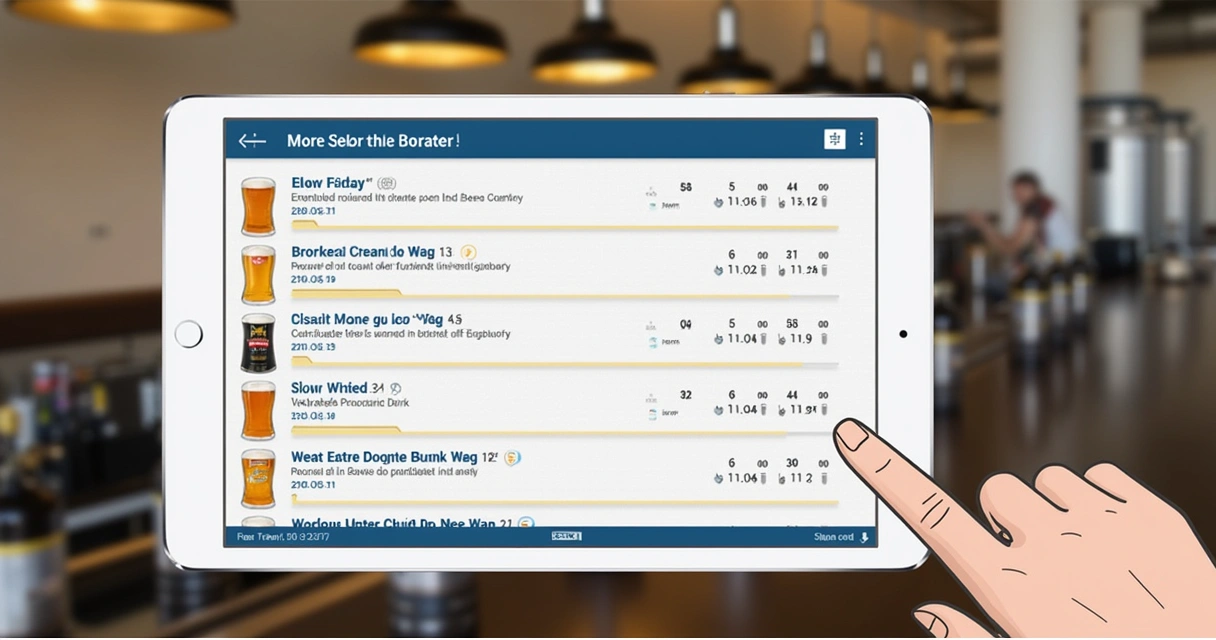
Beyond the natural interest in novelty, the younger generation also has a constant concern for authenticity, fair pricing and transparency, points easily communicated in integrated systems, where the customer sees exactly how much they consume and pay for each milliliter poured.
Self-pour in the context of Brazilian bar culture
Although the change is recent, it is already making an impact. In many cities, traditional and alternative bars alternate self-pour with classic service, letting customers choose the best experience for that night or occasion. With such a strong boteco culture, does self-pour threaten or complement our tradition? For a large part of Gen Z, it is about adding: being able to try a digital system without losing the chance to chat with the server, if desired, makes the experience richer and more flexible. The article why have self-pour at the bar revisits this cultural side and how technology can serve as a bridge between tradition and innovation.
The future: self-pour trends and the next generation
Looking at the pace of self-pour adoption, you can already see trends beyond draft beer: coffee, wine and even custom soft drinks are entering the radar. The experience should become even more immersive, with recipe personalization, integration with digital payments and ever more fun gamification.
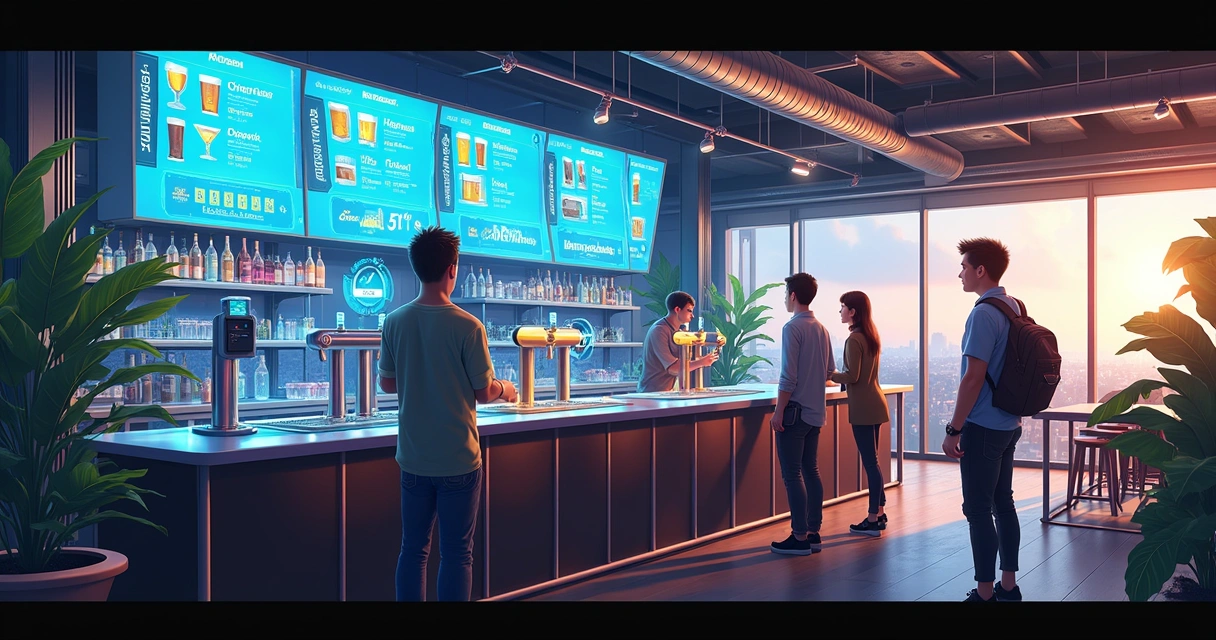
- Wristbands, cards or even voice commands integrated into the system.
- More smart recommendations based on past preferences.
- Instant promotions through the app.
- Automatic events: the night's ranking decides who wins prizes or discounts.
Gen Z remains at the forefront of this movement. Their appreciation for convenience combined with an interest in personalized experiences promises to influence how bars invest in technology in the coming years.
Counterpoints: negative experiences and the challenge of “humanizing” the digital
Not everything is perfect in the world of self-pour. Some reports point to a lack of human warmth, difficulty understanding the system, headaches if the wristband stops working and, of course, frustration if a desired style runs out sooner than expected. For some consumers, especially older ones, adaptation is slower. But as the system matures and the bar team shows willingness to help and teach, objections fade. The secret is balancing innovation with empathy.
When self-pour becomes a source of pride among customers
Many Gen Z customers report that introducing friends to the bar with self-pour is a kind of “rite of passage.” The system becomes a topic of conversation, the photos go viral, and it turns into a trademark of the outing.
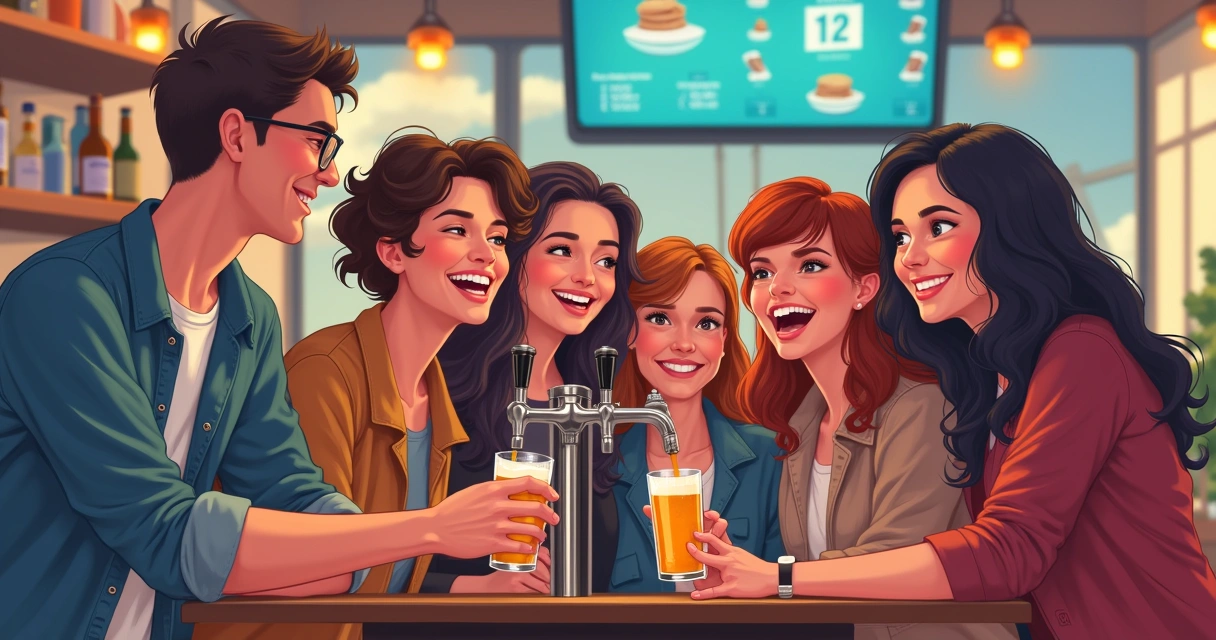
This phenomenon is clear at bars that invest in a strong visual identity, rewards for referrals and fun rankings. Draft beer stops being just a drink: it becomes a shared, customizable experience entirely controlled by the customer.
The most common mistakes when implementing self-pour
Even with so many advantages, some bars still stumble during implementation:
- Lack of training: leaving customers adrift ends up causing confusion and unnecessary complaints.
- Poor signage: without clear instructions, insecurity takes over.
- Neglected maintenance: technical failures quickly damage the service's reputation.
- Lack of balance between digital and human: technology without warmth loses its charm.
myTapp invests not only in technology but also in after-sales service, ongoing training and fast support, pointing to these steps as essential to the success of self-pour (best self-pour beer).
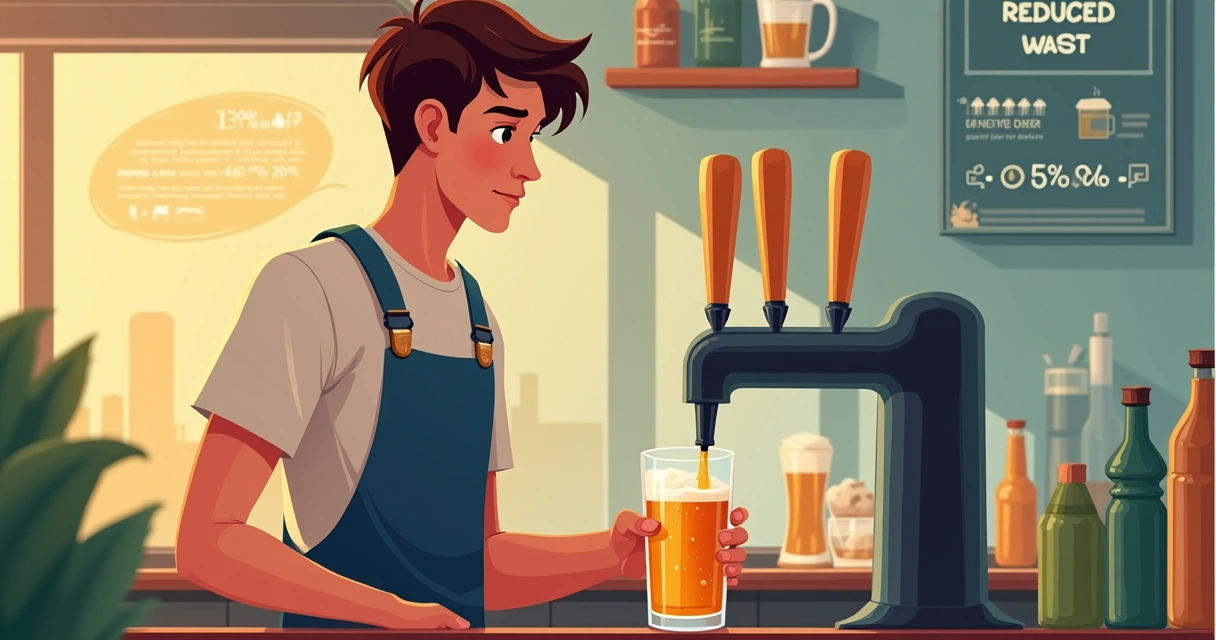
Automatic reports also help decide what to buy, avoiding idle stock and optimizing the entire chain. For Gen Z, this reinforces affinity with innovative and conscious brands.
Connecting generations through self-pour
Although more popular among young people, the self-pour system ends up uniting generations around the same counter. Parents, kids, friends, all interested in discovering the novelty, comparing experiences and debating beer styles. At family events or group gatherings, the system sparks conversation, makes inclusion easier for the shyer ones (who can pour discreetly) and creates shared memories. Ultimately, the bar, digital or not, remains a collective space, open to a diversity of profiles and expectations. How Gen Z sees self-pour may point to trends, but it does not close doors to other audiences. Experience, convenience and personalization are values that cross generations, changing only their “packaging” with time and context.
Where does self-pour work best?
Although the technology is well received at all kinds of bars, some formats stand out:
- Themed bars tied to geek culture, rock, sports or art.
- College pubs, where the search for convenience and more affordable prices is greater.
- Craft breweries focused on experimentation and tasting events.
- Kiosks and food parks where long lines are a daily problem.
- Festivals and large events, to speed up service and avoid waste.
In all cases, a young presence acts as an incentive for exchanging experiences and spontaneous word of mouth. Self-pour ends up becoming a draw, both out of curiosity and for functionality.
The customer experience before, during and after self-pour
The customer journey changes a lot when self-pour comes into play. The impact can be analyzed this way:
- Before: The customer looks for information: reviews, videos and tips. Gen Z is especially attentive to these details and distrusts exaggerated or overly positive reviews, as a survey mentioned by Consumidor Moderno shows (Consumidor Moderno).
- During: Contact with the technology can be fun or intimidating, depending on how well prepared the team is. Quick onboarding, intuitive screens and the ability to customize your own experience ease any apprehension.
- After: The impact stays in the customer's mind. Among Gen Z, the habit of sharing photos, scores, ratings and even honest criticism is very strong. This helps spread the word about the service but also demands attention to quality and consistency.
Companies like myTapp care precisely about what happens after the first visit, delivering support, new features and monitoring of these reactions.
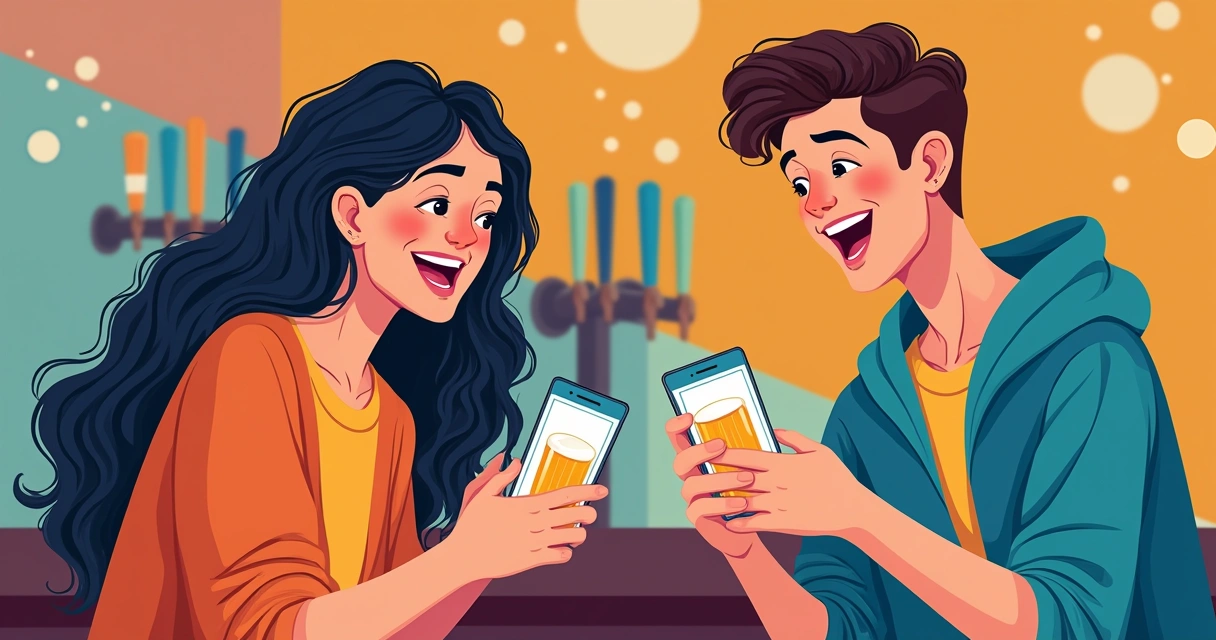
The influence of apps and digital platforms The technology side of the experience is not limited to the beer system. Digital platforms and apps have become key allies for announcing news, interacting with customers and capturing feedback in real time. A dedicated app, integration with loyalty programs and even AI-based suggestions appear more and more at modern bars. For Gen Z, who never put down their smartphones, this is a valuable differentiator, and a decisive one in choosing a venue.
The role of rankings and tap lists at digital bars
Features like the TapList and rankings liven up the experience, creating healthy competition and a sense of belonging. Taking part in the weekly ranking, winning a complimentary drink or being recognized among friends as the table's “best taster” boosts engagement, especially among young people open to gamification.
"Everyone likes a challenge, even if it's just to post on their story."
Engagement tools not only increase the time spent at the bar but also fuel spontaneous conversations, promoting the system with almost no traditional marketing effort.
Ethical challenges: encouraging experimentation versus moderation
Some sellers are alert to the risk of encouraging excess consumption, especially with alcoholic beverages. Self-pour, by empowering the customer, needs to be an ally of moderation campaigns, monitoring limits and, if necessary, stepping in to prevent abuse.
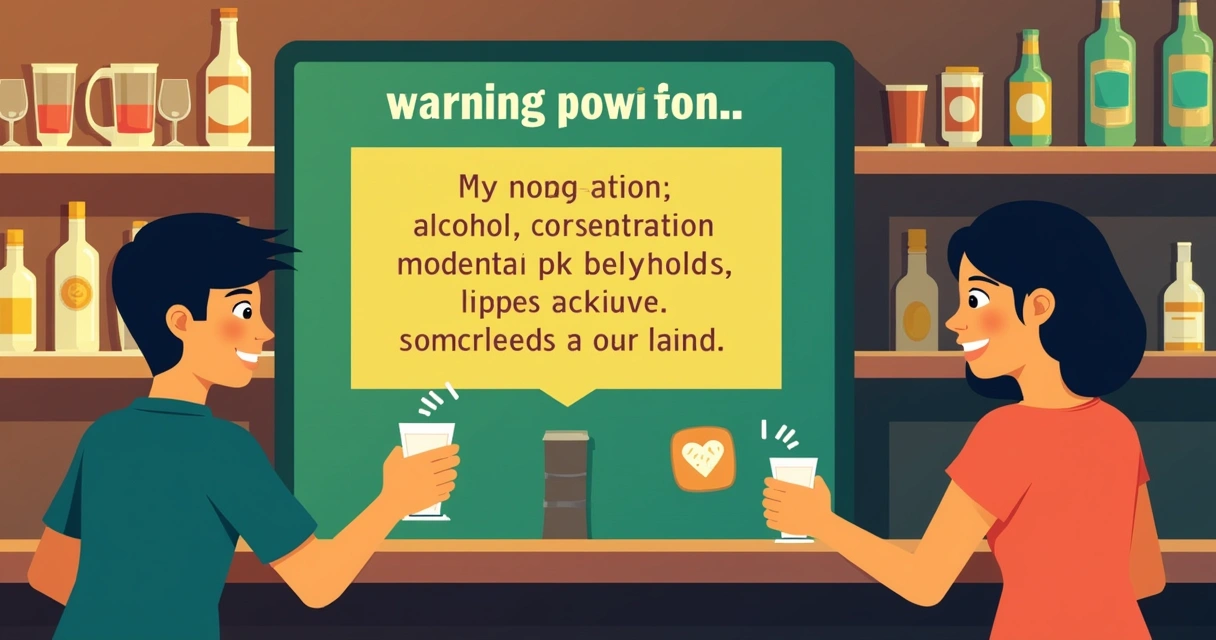
Responsible bars program systems to limit pours over time, alert customers with educational messages and train employees to handle delicate situations without losing the lightness of the environment.
When the experience becomes content: self-pour and social media
Self-pour went viral on social media quickly. Influencers and ordinary young people love to document using the system, make comparisons and post ranking results. This creates a virtuous cycle: more shares, more curious people, more adoption. But the risk of negative reviews going viral also increases. That is why quality control, speed in solving problems and human service remain fundamental to the bar's reputation.
How parents and family see self-pour for young people
At first, parents and older relatives find it strange. Is it safe? Isn't it too much responsibility for young people? But they soon realize that digital control, programmable limits and app tracking actually increase responsibility and transparency in consumption.
- Visible history: The young person knows exactly how much they have consumed.
- Configurable limits: The bar itself can stop or alert after a certain amount.
- Educational engagement: Messages, promotions and even quizzes about responsible consumption.
"When technology informs, parents feel more at ease."
How self-pour influences the decision to visit
For Gen Z, the decision to visit a bar depends on several factors, and self-pour can be a strong differentiator, especially when combined with other benefits such as a modern environment, fair pricing and flexible experiences. A FeaSeo survey shows how receptive young people are to innovations in food and beverages. Self-pour fits this innovative profile but needs to be communicated clearly to break prejudices and attract even the shyer ones (FeaSeo).

Personalization: more consumption or more satisfaction? A persistent question among managers is whether self-pour leads to a real increase in consumption or just improves customer satisfaction. In practice, both happen, but in different ways:
- Satisfaction: Comes from freedom, control and experimentation, more than from the total volume consumed.
- Consumption: Tends to grow in alternative styles and custom combinations, previously restricted by the traditional model.
- Return: The customer comes back more often, not only to consume but to “explore.”
Personalization, by the way, is the flagship of self-pour: each person builds their own journey, deciding intensities, styles and even times of consumption, all recorded to calibrate the next experience.
The culture of constant feedback
Gen Z is participatory and demanding. They rate bars, systems and service and honestly share their perceptions. Self-pour, with digital monitoring, makes this feedback even easier, and for tech-savvy bars every opinion is an opportunity to grow and fine-tune details. Panels, apps and social networks make dialogue almost instantaneous. The result is greater adherence to novelty, but also more pressure to maintain quality and respond promptly to criticism, something that requires preparation and a continuing willingness to innovate.
"Feedback is never lacking, and learning to listen is part of the process."
The role of studies and digital reputation
As we have already shown, digital reviews strongly influence buying decisions, but Gen Z also distrusts excessive praise. This means the venue's reputation and transparency about how the system works are valuable assets, even more than traditional marketing campaigns. Attentive bars respond promptly to comments, publish tutorials and explainer videos and even go live to present the system, increasing both visibility and the credibility of the proposal.
Innovation that connects and brings people closer
In the end, self-pour beer really did come to bring people closer and make experiences easier. Gen Z, with its search for autonomy, convenience and transparency, finds in this technology the ideal setting to express themselves, experiment and build new traditions. Projects like myTapp are behind the scenes of these transformations, developing solutions that are accessible to both large venues and small neighborhood bars. This allows modernization to be not a privilege but a natural path for those who truly want to innovate, always with the customer first.
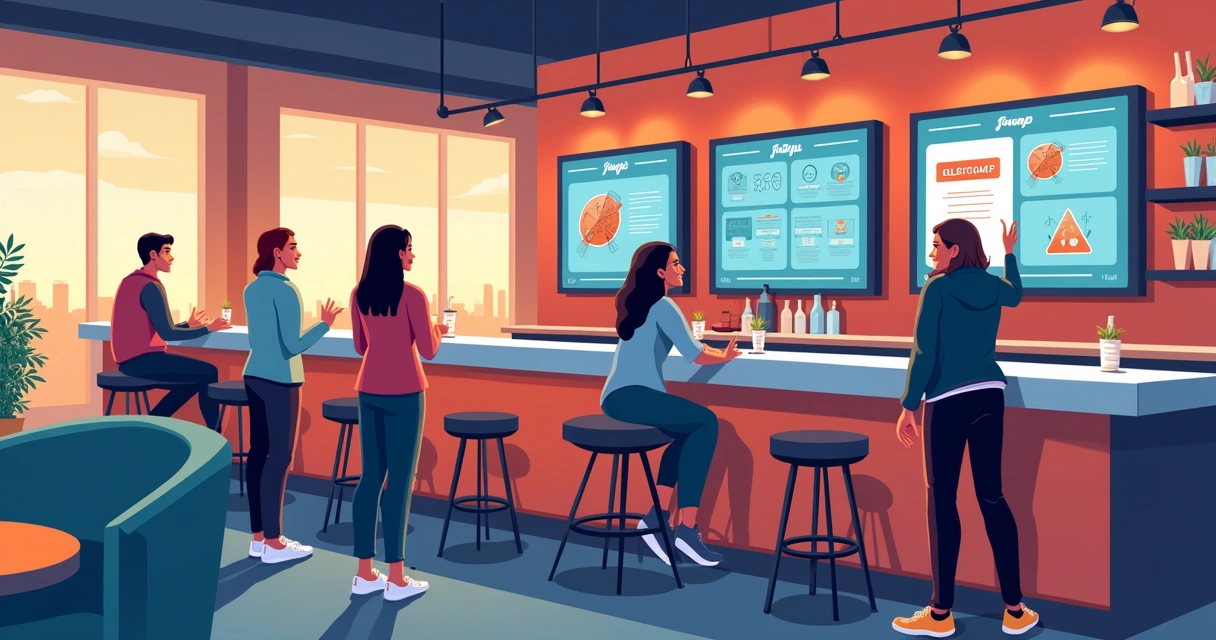
Conclusion Self-pour beer is drawing a new paradigm for bars and consumers in Brazil. Its adoption is marked by the desire for autonomy, personalization and interactivity, principles Gen Z carries as a banner. Despite implementation challenges and occasional resistance, the data show that acceptance is growing, especially when the experience goes beyond simply “pour and drink,” becoming a meeting point between technology, conscious consumption and relationships. The integration of smart systems, humanized service and concern for inclusion makes companies like myTapp stand out. In fact, every glass poured by this system carries more than a drink: it is the portrait of the desire to innovate without losing the essence of the Brazilian bar. If you, as a manager or consumer, want to experience this new era or bring innovation to your own business, get to know myTapp's solutions. Try it, share it and be part of the new traditions that are already changing the way we live beer culture. The future of the bar is one touch, or one sip, away.
Frequently asked questions about self-pour beer
What is self-pour beer?
Self-pour beer is a system in which customers serve their own drink directly from the tap, using wristbands or cards with technology such as RFID to release it and record the amount poured. This solution gives consumers more autonomy and transparency in billing, as well as letting them try small pours of different styles without needing a server.
Does Gen Z like self-pour beer?
Largely, yes. Gen Z values practical experiences, autonomy and personalization, all of which self-pour beer offers. They also appreciate digital technologies and like to control both the amount and the type of beverage consumed. But, like any group, there are disagreements, and acceptance depends on clear communication and the system's ease of use at the bar.
Is it worth using self-pour beer?
For bars and consumers, usually yes. Self-pour reduces lines, gives freedom to try drinks, cuts waste and offers the bar owner better financial and operational control. For the customer, it turns the experience into something more interactive. However, it is essential to invest in communication, training and reliable systems to ensure success.
How does self-pour beer work?
The system works using wristbands or cards, which the customer acquires and loads with credit or uses postpaid. At the tap, you just hold the device up to the reader, choose the beer you want and pour as much as you like. The digital panel shows how much was consumed, the remaining balance and even information about the chosen style. At the end, billing is automatic or through the app, depending on the bar's model.
Where can you find bars with self-pour beer?
Self-pour beer is spreading quickly across bars, pubs, craft breweries and events throughout Brazil, especially in large urban centers and college areas. Many venues have already adopted systems like myTapp, providing an interactive and modern experience to consumers. To discover places that offer this innovation, use resources such as the bars' social media and specialized apps. In addition, for managers interested in implementing self-pour, we recommend reading our article on how to implement self-pour successfully.
Subscribe
Subscribe to the myTapp newsletter and get first access to new articles, with actionable insights for those who decide, plan, and run high-traffic businesses.
Recommended posts
Selected content to explore topics such as self-pour beer, customer experience, and operational efficiency, with practical lessons for decision-makers and those who follow market developments.
Capital Moto Week case study: how self-pour beer scaled the operation at a festival of 800,000 people
At the largest motorcycle and rock festival in Latin America, with about 800,000 people over ten days, self-pour beer kept pace with the event's growth without losing control. In the 2026 edition, the volume served rose more than 18% and the number of sales grew almost 29%, while operational efficiency went from 89% to 93%. The case shows how smart taps sustain beverage operations when the crowd arrives in waves.

Self-pour beer at parks and resorts: how to end lines and waste
In high season, the bar line is one of the biggest bottlenecks at a park or resort: visitors give up, miss out on the attractions and the operation loses sales. Self-pour beer ends the wait, cuts beverage service staff by up to 80% and reduces waste from about 15% to 3%, with real-time consumption data for management.
Self-pour draft beer for events: how to end the lines and sell more at festivals
At a festival's peak, the bar line is where revenue slips away. Self-pour draft beer ends the wait, cuts service staff by up to 80% and reduces waste from about 15% to 3%. With real-time consumption data, the operation decides on the spot and sells more at the moment that matters most.

Receive regular updates on new products and industry trends.