
Self-pour bars and smart taps: complete guide 2025
Turn a simple night out at the bar into an interactive, practical moment. If you have ever wondered how technology can completely change the way draft beer is served and consumed, this is your guide to understanding the trends in self-pour bars, smart kegs and smart taps in 2025.
From the craft brewing industry to large events, automation, artificial intelligence and the Internet of Things (IoT) are redefining every step — from the keg to the customer's glass. And companies like myTapp lead this new era, raising the standard of experience and management.
It's not enough to serve draft beer, you have to serve innovation.
Understanding the concept of modern self-pour bars
What used to be a futuristic scenario has become reality. Bars where customers pour for themselves have already become an attraction, especially among young adults and craft beer lovers. Instead of the old lines at the counter, patrons of self-pour bars can try different draft beer styles, pay per ml consumed and interact directly with the system, all in a few taps. This freedom is highly valued today.
The history of the self-pour draft beer dispenser shows that the search for convenience in consumption didn't appear yesterday. Growing interest in less traditional experiences, combined with advances in autonomous systems, has given this trend momentum in Brazil — not only in big cities, but already spreading to mid-sized cities and regional events.
- Independence in choosing and in the amount poured
- Transparent billing system, with no surprises
- Easier curation of labels to try
- Fewer lines and smoother service
And, of course, self-pour bars go beyond the fun, casual side. They enable much more rigorous inventory management, flow control and an understanding of consumption habits, making life easier for those who run the business.
Smart taps are born: the future has arrived
You may never have stopped to think about how many liters of draft beer disappear without ever reaching a glass: leaks, failures, improper consumption... Smart taps emerged precisely to make this control surgical.
These taps can precisely measure every ml poured, control access, detect jams or unauthorized attempts, and, of course, can be released or locked through apps, as in the myTapp system. By the way, it's worth checking the details of how a smart draft beer dispenser works to understand in practice how all of this communicates in real time with the bar manager.
The precision of these systems has led large chains of bars and restaurants to adopt smart keg technology as a basic tool, not only to prevent fraud and waste, but to gain efficiency in inventory control and even improve the customer's perception of the venue.
Every drop counts.
How technology changed keg and draft beer dispenser management
The craft beer industry has grown in complexity, variety and also in challenges. Control over the keg's life cycle — from production to the final consumer — has always been a bottleneck. Only recently has the adoption of smart trackers and IoT added a new layer of transparency and control.
Trackers embedded in the keg report temperatures, beer levels, movements and even possible drops or improper handling in real time. Some systems, such as the one offered by myTapp, already integrate keg tracking, inventory control, sales and identification of customer behavior patterns.
Imagine a craft brewery owner receiving automatic alerts when a keg is about to run out or when a temperature variation that could compromise the beer's flavor has occurred. They can react quickly, anticipate demand and avoid losses. This kind of information, once limited to spreadsheets or “gut feeling,” is now processed by AI and cross-referenced with consumption history.
- Loss control in near real time
- Prevention of consumption diversion or fraud
- Optimized replenishment logistics
- Data for negotiations and fast strategic decisions
This digital transformation, combined with systems integration and personalization of the customer experience, has already become a competitive differentiator for Brazilian breweries — especially those that want to stand out nationally.
The impact of smart trackers and IoT on brewery operations
The use of sensors and direct connectivity to management platforms has advanced quickly. Where many reports in the brewing segment once depended on manual records and visual inspections, connected systems now take that burden off the manager. The keg reports for itself: where it is, how much is left, whether the temperature stayed adequate and who consumed it.
And this goes beyond internal control. Breweries that sell to bars or events can remotely monitor the status of their product even after shipping, ensuring quality and service standards.
By integrating sensors, IoT and data analysis, it is possible to identify consumption trends, design promotions for slower hours and predict when a certain beer style becomes the star of the night.
Fewer losses, more intelligence, faster decisions.
Big names in the segment are already betting on this kind of solution. But it is the flexibility of the myTapp platform — which connects kegs, customers and managers — that has stood out, not only for the precision of its data, but for its ease of use and integration with the rest of the operation. This avoids the famously long learning curve common in legacy systems.
Automation and artificial intelligence revolutionizing restaurants and bars
Another axis of this transformation is the leap in the use of automated processes and artificial intelligence. Inventory management has always been a practical challenge: recording outflows, calculating losses, forecasting restocking. With the advance of automation — from the kitchen to the bar, from the storeroom to the register — waste drops, purchasing of supplies gets smarter, and profit becomes far more tangible.
Platforms that combine AI with inventory control, like what myTapp offers in its self-pour beer system, ensure no glass goes without beer for lack of planning — nor do buyers lose sleep trying to close the books.
- Concrete waste reduction
- Automatic adjustment of supplier orders
- Automatic reports sent to the manager
- Forecasting based on historical and seasonal data
The integration between automation and service has become so relevant that it is shaping new roles and functions — such as specialized smart tap operators — and even the most traditional managers quickly see the benefits of adopting AI-based solutions.
Customer experience: far beyond fast service
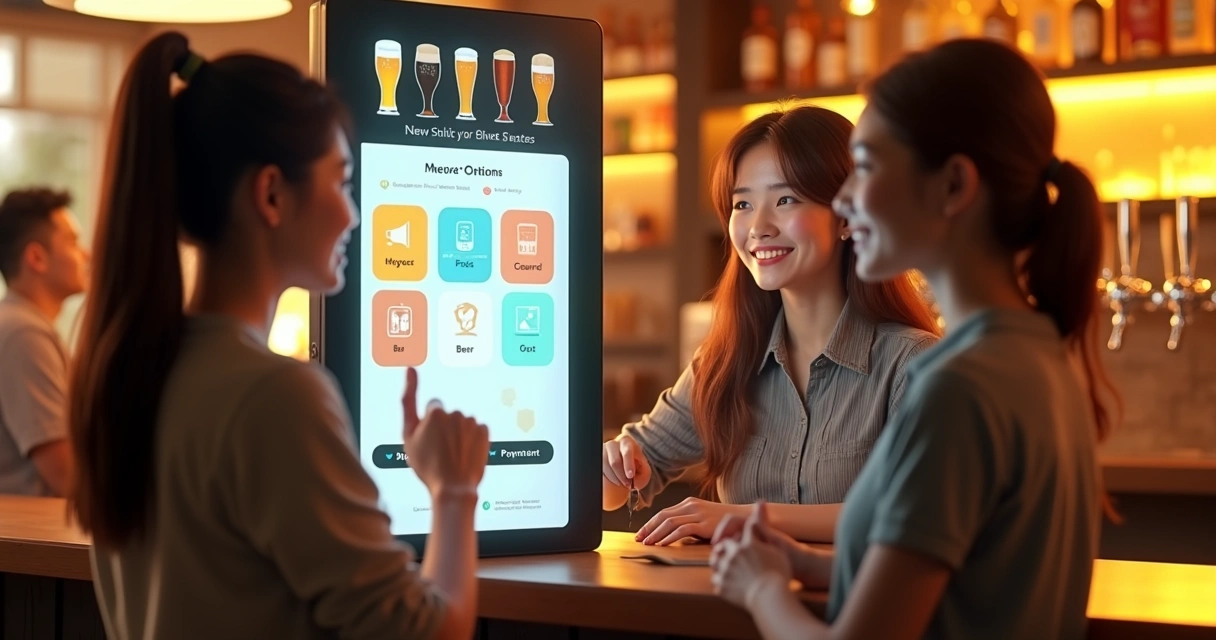
Imagine walking into a bar, checking in on your smartphone, seeing which draft beers are available, viewing the ranking of the most consumed labels, paying contactless and leaving without having to look for the server. This experience is already a reality in many bars equipped with kiosks and self-service systems, especially those powered by the myTapp platform.
Industry studies, such as the RBR research on self-checkout terminal installations, point to 90% annual growth in terminals of this kind worldwide. The reason is obvious to anyone who has used one: speed, control and interactivity.
This model doesn't just please the public, but bar owners as well. It reduces fixed staffing costs, raises the average ticket per customer and creates opportunities for cross-selling — such as giving discounts to those who try new styles or check in at slower hours.
Customers want freedom. And freedom is technology in the palm of your hand.
It's no coincidence that some of the biggest internationally recognized innovations come precisely from the segment of automatic taps and self-service kiosks — whether in Brazil or in brewing hubs in the United States and Europe.
Smart keg technology in bar operations: the current landscape
The implementation of smart keg technology — connected kegs and smart taps — has proven to be a game changer for bars and events that want experience and control at every step. Unlike conventional methods, where measurement is done only at month-end close, the manager gets an instant view, situation by situation.
In the myTapp system, for example, managers track everything through the app: open tabs, volume dispensed, taps released, ranking of the most served products and even notifications about VIP customers. All without having to go to the venue, which saves hours and avoids miscommunication with staff.
Comparing with other market solutions makes the difference between closed and integrated systems clear. While some competitors offer only automation or only sales control — in that old “black box” style —, myTapp's solutions bring everything together, with customization and automation adjusted to the profile of the business.
Case study: regional beer event
In 2024, a craft beer festival in São Paulo decided to implement self-pour through smart taps integrated with smart keg technology. Over the three days of the event:
- 34% reduction in draft beer losses from human error or leaks.
- Average individual service time dropped from 8 to 2 minutes.
- Consumption per customer increased 18% thanks to billing transparency and the ease of trying several styles.
- Real-time analysis allowed automatic adjustments to the offering of the most popular labels.
After implementation, the organizers reported savings and a significant increase in exhibitor satisfaction. Result: for the next edition, they plan to double the number of smart taps operated by the myTapp system.
Sustainability and automation in consumption: less waste, more common good
Sustainability goes far beyond talk. Tap automation, when connected, reduces water consumption — as shown in the report on water savings and conservation, indicating savings of up to 70%. This applies to bars as well as industries and even hospitals.
On top of the savings in supplies (such as cups and labels, significantly reduced in automated operations), there is also the cut in waste caused by spills or off-standard portions — a good share of losses in traditional bars happens there.
Sustainability starts with choosing the right systems.
Consumer preference for touchless or digital-enabled systems, highlighted in reports on digital taps, further drives adoption, creating a virtuous cycle: better experience + lower environmental impact.
Automation and experience: trends that keep growing
The “do it yourself” movement found in smart taps and self-service kiosks a natural path. According to the research on self-service preference in restaurants, 30% of customers prefer to place orders at kiosks when lines are similar to those at traditional registers. There is an emotional appeal — control, customization, autonomy — and a practical one — speed, with no waiting for intermediaries.
And the market is unlikely to go back. The report on the expansion of the robot bartender market reveals that North America already records 78% adoption of these technologies, and Brazil is moving quickly to expand supply, especially in large urban centers.
The mobile experience and the role of custom apps
The smartphone has become the protagonist in almost every process related to self-pour bars. From registering to release a tap and checking balance to viewing the ranking of the most ordered styles. This new behavior has pushed companies like myTapp to develop their own apps for releasing and tracking taps.
The result? More autonomy for the user and new forms of engagement: bonuses for referring friends, responsible consumption challenges, personalized gifts and automatic feedback on preferred styles.
- Customer ranking (gamification motivates more consumption and builds loyalty)
- History of what was tried (helps with future choices)
- Geolocated promotions
- Immediate digital support
And even those taking their first steps in this digital transformation find in solutions like myTapp's active after-sales support and very direct channels for questions, as well as, of course, full autonomy to adjust the operation according to the public's acceptance.
Challenges and opportunities: what's coming?
Nothing is pure benefit — and every advance raises questions. Some people still miss the traditional counter atmosphere, or suspect that technology takes away part of the “humanity” of the service. But overall, acceptance grows with every new contact with positive experiences. Most realize that the human side can be valued where it truly matters: in welcoming, creativity and after-sales relationships.
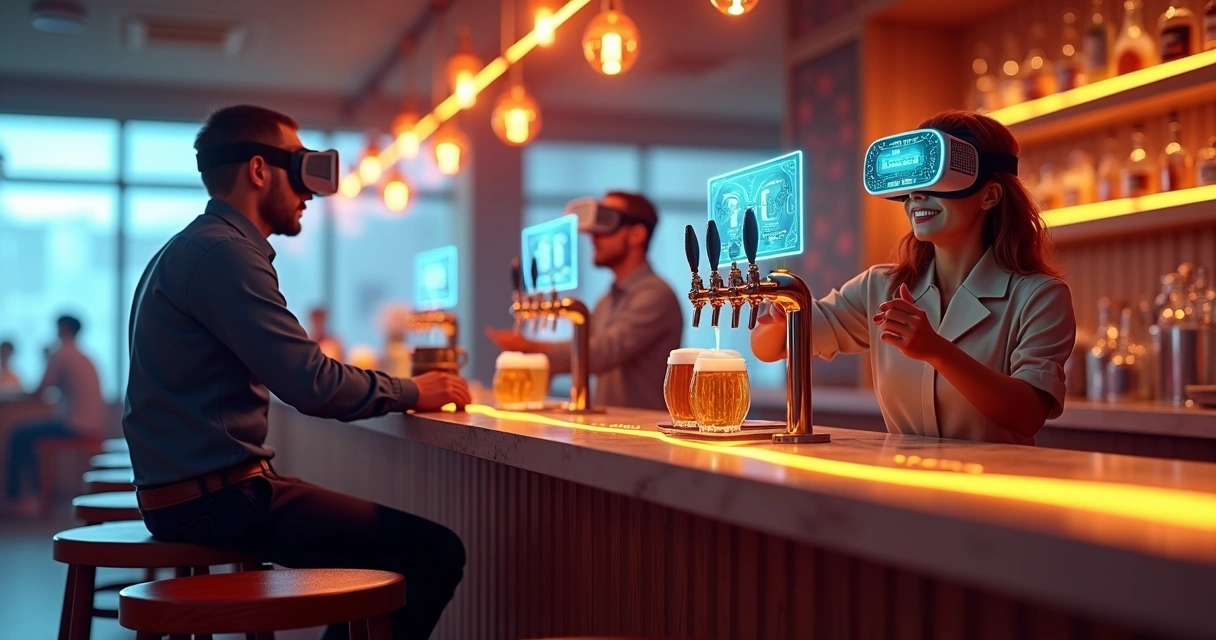
For managers, the main challenge is adaptation: choosing truly integrated systems that make day-to-day work easier (and not harder). Fragmented solutions usually cause rework, costs and little flexibility — but companies like myTapp, with end-to-end automation and integration with proprietary apps, anticipate a smoother, more customizable experience.
The role of data in the segment's growth
Throughout 2024 and especially in 2025, data (who consumes, what, when and how) becomes a strategic asset for bars and breweries. Data that used to be scattered is now gathered in friendly dashboards, guiding promotions, menus and even the type of music in the venue at peak hours.
AI helps suggest keg swaps, adjust promotions in real time, identify unusual consumption patterns (for example, a rise in IPA on cold nights) and deliver reports that serve not just accounting, but also building real connections with customers.
Self-pour bars with integrated systems, from the taps to digital after-sales, can build more loyalty, reduce costs and positively impact both the planet and the cash register — an equation that is hard to balance, but possible with the right technologies.
Final considerations: why invest in self-pour bars and smart taps?
The rise of bars where the customer is the protagonist results from a combination of factors: the search for new experiences, convenience, savings and sustainability. The role of smart keg technology and digital controls has evolved to the point of being, today, the game changer in modern management.
There is no sign that this trend will regress. On the contrary, it is only likely to grow, especially with the offering of integrated custom solutions like the myTapp platform — which combines security, convenience, support and operational efficiency while always trying to lower the barriers to entry for small and large businesses.
Whether you want to innovate the customer experience, digitize bar management or bet on more sustainable and profitable practices, starting with self-pour systems and smart taps is the natural path for anyone who wants to be remembered in 2025.
Innovation starts with the first sip. And it could be yours.
If you want to see up close how this whole universe can transform your business, impact your revenue and surprise your customers, talk to us right now or start testing myTapp solutions at your venue. The evolution of the bar has already begun — and you decide when to raise a glass together.
Frequently asked questions (FAQ)
What are self-pour bars?
Self-pour bars are venues where customers pour for themselves, usually using automatic taps for draft beer or other drinks. The customer chooses the amount, pays for the volume dispensed and often uses cards or apps to release the taps. This makes the experience more dynamic, reduces lines and provides new ways to interact with service and the variety of drinks. Systems like myTapp's are a reference in offering this autonomy with full control for the manager.
How do smart draft beer taps work?
Smart taps use digital sensors and, in most cases, IoT integration to measure exactly how much draft beer is served, prevent fraud and make inventory management easier. They can be released by cards, QR Codes, apps or biometric systems. Everything is recorded in real time, allowing consumption tracking, alerting for restocking and automating processes that once depended on manual control. In addition, systems like myTapp offer intuitive dashboards for monitoring and analysis.
What are the advantages of self-pour bars?
The main benefits include total autonomy for the customer, accurate inventory management, reduced losses, shorter lines and higher turnover. In addition, the solution brings convenience in payment, opens the door to personalized promotions and allows collection of strategic data on the audience profile. For the bar owner, automation lowers fixed costs, ensures financial control and makes it easier to offer differentiated experiences. There is also the sustainability appeal, since consumption is more conscious and standardized.
Is it worth investing in smart keg technology?
Yes, especially if you want to improve the management of your bar or brewery, have a real-time view of consumption, avoid waste and guarantee a differentiated customer experience. Smart keg systems, like myTapp, add tracking, ease of integration, simplified maintenance and openness to promotions based on the audience profile. More than a trend, it has become a practical choice for those who want to keep up with the evolution of the market and grow sustainably.
Where can I find self-pour bars in Brazil?
Self-pour bars with smart taps are present in the main Brazilian capitals and are spreading quickly to mid-sized cities and regional parties, mainly where there is a strong craft beer culture. In the main brewing hubs, there are chains and independent bars that use integrated platforms — like myTapp's — to ensure the best experience, and you can search websites, enthusiast groups and, of course, the official channels of companies in the sector to find news and openings.
Subscribe
Subscribe to the myTapp newsletter and get first access to new articles, with actionable insights for those who decide, plan, and run high-traffic businesses.
Recommended posts
Selected content to explore topics such as self-pour beer, customer experience, and operational efficiency, with practical lessons for decision-makers and those who follow market developments.
Capital Moto Week case study: how self-pour beer scaled the operation at a festival of 800,000 people
At the largest motorcycle and rock festival in Latin America, with about 800,000 people over ten days, self-pour beer kept pace with the event's growth without losing control. In the 2026 edition, the volume served rose more than 18% and the number of sales grew almost 29%, while operational efficiency went from 89% to 93%. The case shows how smart taps sustain beverage operations when the crowd arrives in waves.

Self-pour beer at parks and resorts: how to end lines and waste
In high season, the bar line is one of the biggest bottlenecks at a park or resort: visitors give up, miss out on the attractions and the operation loses sales. Self-pour beer ends the wait, cuts beverage service staff by up to 80% and reduces waste from about 15% to 3%, with real-time consumption data for management.
Self-pour draft beer for events: how to end the lines and sell more at festivals
At a festival's peak, the bar line is where revenue slips away. Self-pour draft beer ends the wait, cuts service staff by up to 80% and reduces waste from about 15% to 3%. With real-time consumption data, the operation decides on the spot and sells more at the moment that matters most.

Receive regular updates on new products and industry trends.