
What is a growler? And a crowler? Learn all about the beer item
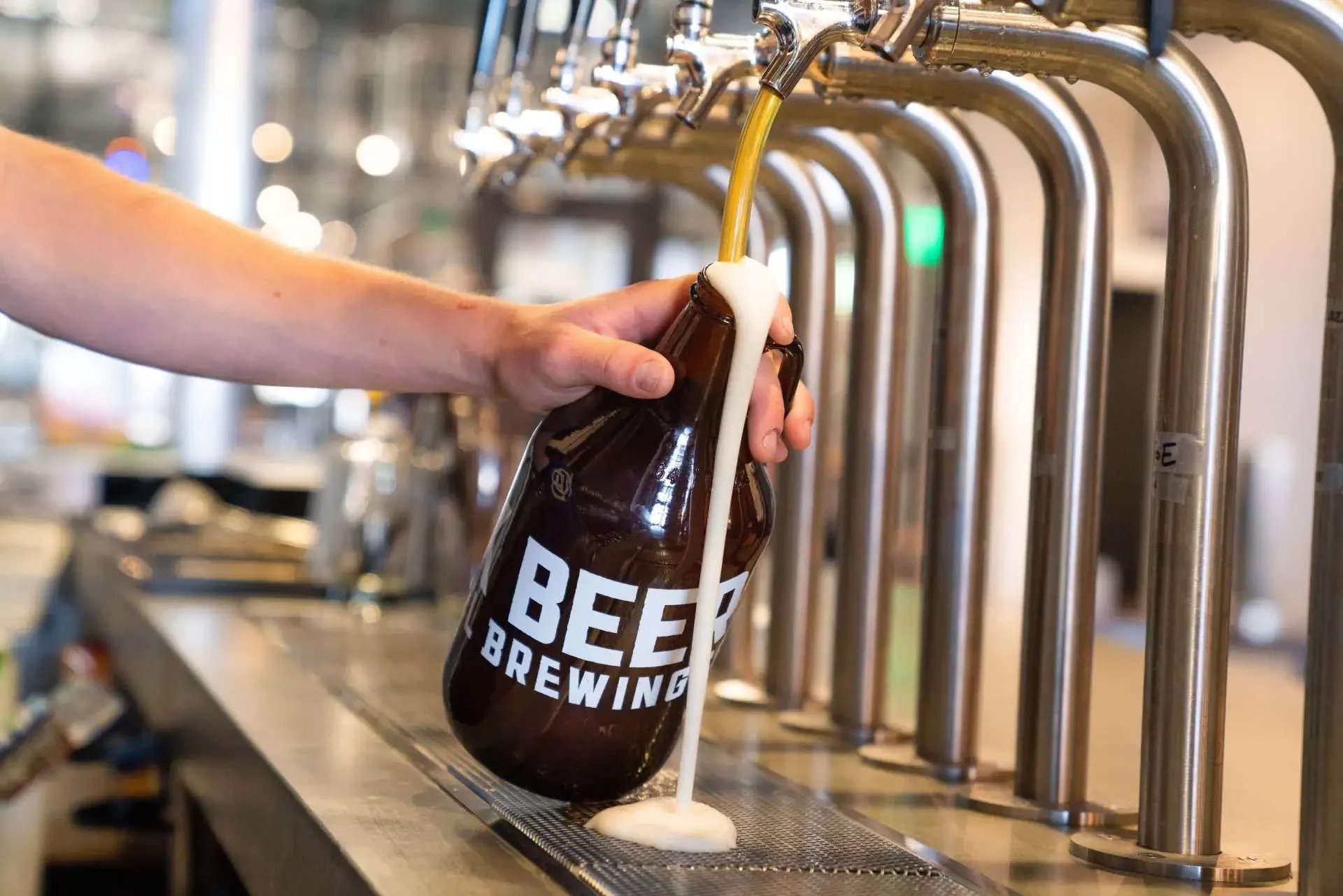
We are all well familiar with everyday beer containers like glasses, mugs and bottles, but those still learning about craft beer may come across a different one that isn't quite so well known: the growler.
What looks like an ordinary jug is an important tool for carrying draft beer, with a great history!
If you are still wondering what a growler is (and a crowler?), or are just curious about how these beer items came into use, you are in the right place!
What is a growler and what is it for?
The growler exists so you can drink your favorite draft beer in the comfort of your home, at a barbecue with friends, at the beach, in the park or anywhere else you like.
It is simply a container made for carrying the sacred liquid! The growler lets you take draft beer safely from the bar or brewery to wherever you need it.
How the growler came about
Just like today, people needed a way to carry their favorite beer from one place to another. Although the growler originated in the US just over a century ago, jugs specially designed for transporting beer have existed for centuries!
Archaeologists have discovered a Philistine ceramic jug, used to carry beer, dating back to the 12th century BC. These items allowed brewers to take their beer to market and distribute it.
These bottles served their purpose at the time, but did not keep the beer fresh for long periods.
Over the following thousands of years, beer was always sold in its original keg, since small batches of beer spoiled quickly before the invention of pasteurization.
At the National Brewery Centre and Museum, in the United Kingdom, you can see examples of these original wooden kegs:
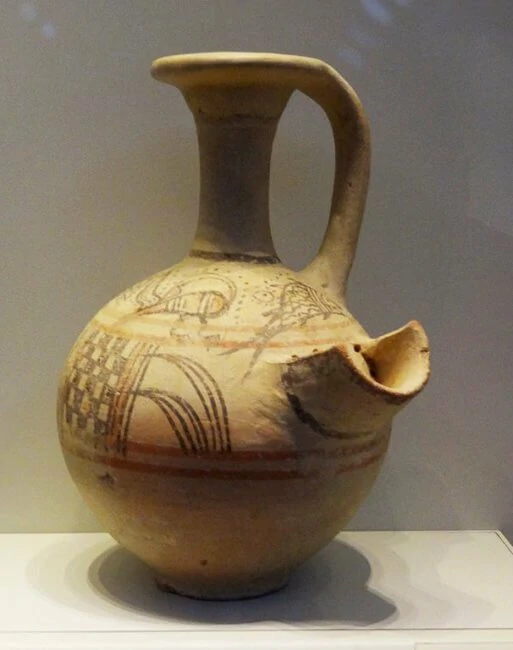
Philistine beer jug - Photograph by Hanay - via Creative Commons
The origin of the name growler
In 1850s America, beer was sold in local pubs, but if you wanted to drink it at home, you needed a way to carry it from the tap to your house. For that, men used galvanized buckets with lids.
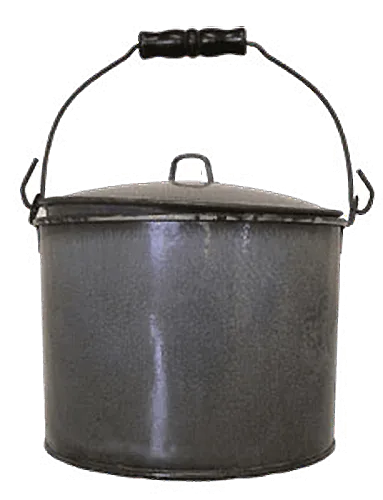
Metal beer bucket, circa 1930 - Photo by Grand Teton Brewing
They were also useful for women. Maureen Ogle wrote in her book Ambitious Brew: The Story of American Beer: “Women gathered in the warm weather, and sent a child down the street with an empty bucket to fetch a mother's 'growler'.” No need for mom to show up at the bar to drink beer when little Jack can go get it for her, right?
As the children walked home from the bar, the beer inside gave off carbon dioxide. When the gas escaped past the lid, it made a noise, and since the noise resembled a dog's growl (in English, “to growl”), the name growler was born!
Models
After a brief hiatus during Prohibition, beverage bottles were back. During the 20th century, advances were made in design, offering better protection for the fermentation inside and tighter-sealing lids to keep freshness and extend shelf life.
Ceramic and glass jugs with screw-on lids were created first, followed by stainless steel versions with rubber gaskets on the rim.
Today there are several models, and you can find them in glass, ceramic or aluminum. In recent years, the double-wall stainless steel growler arrived, bringing the same durability as its predecessors, with extra insulation to help keep the draft beer at the ideal temperature.
They have a screw-on cap or a swing-top clamp cap. The cap design prevents carbon dioxide loss, keeping all the freshness and flavor of the beer at the same quality for a few days (if kept in the refrigerator).
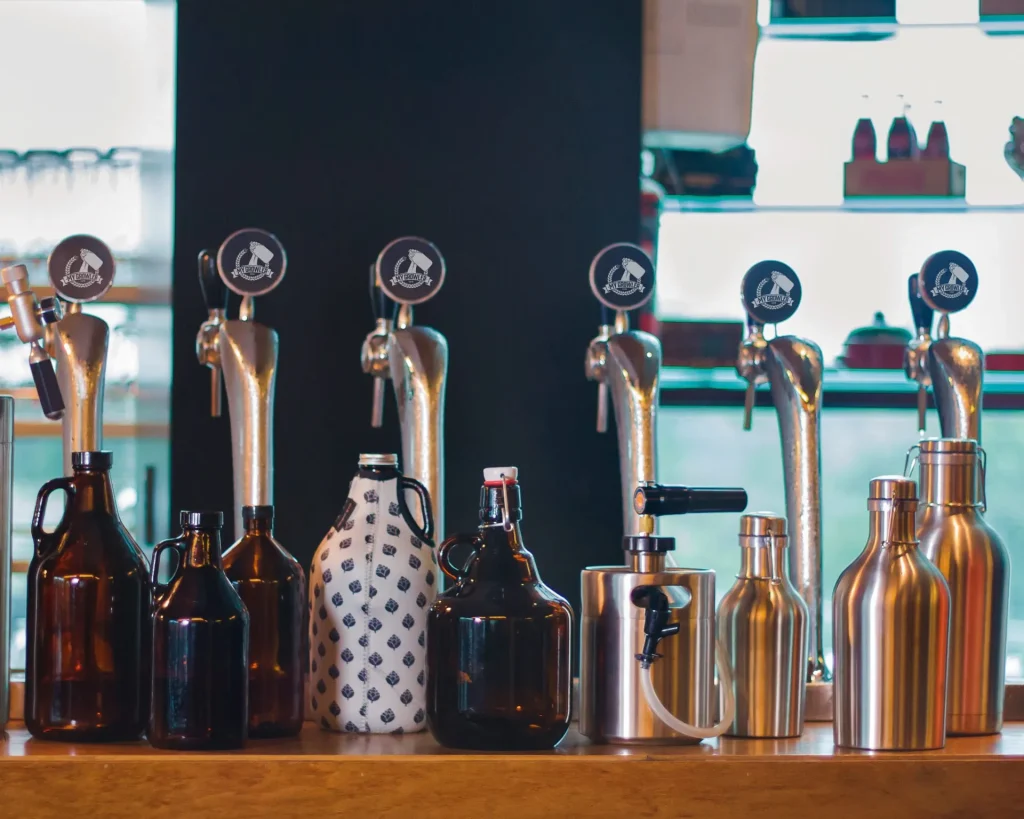
via guiadacervejabr
[eBook + spreadsheet] DIGITAL MARKETING GUIDE for bars and breweries
And where does the crowler fit in?
Crowlers have the same purpose as growlers, but they are made of aluminum and are disposable. Like the growler, they also let the customer choose and buy fresh draft beer straight from the brewery to drink at home. Typically, 1-liter cans are used.
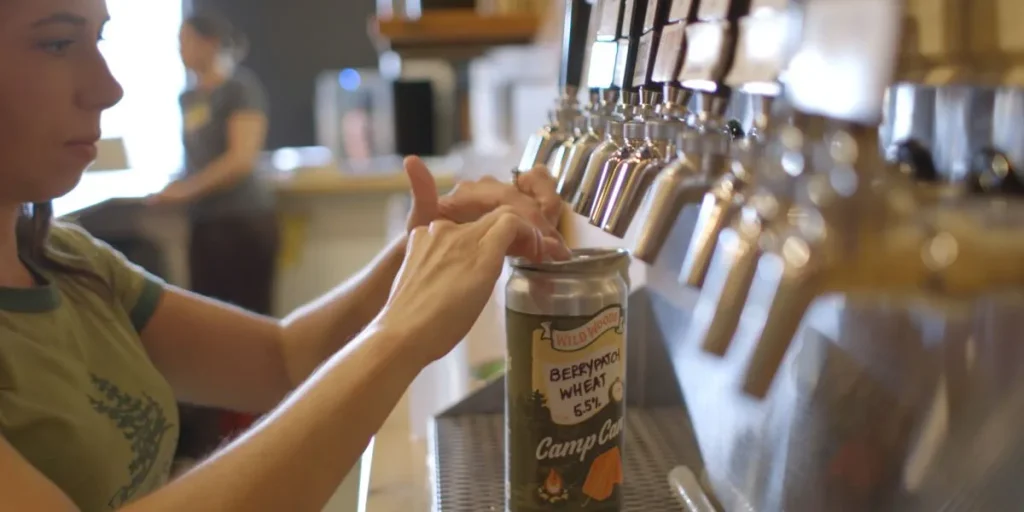
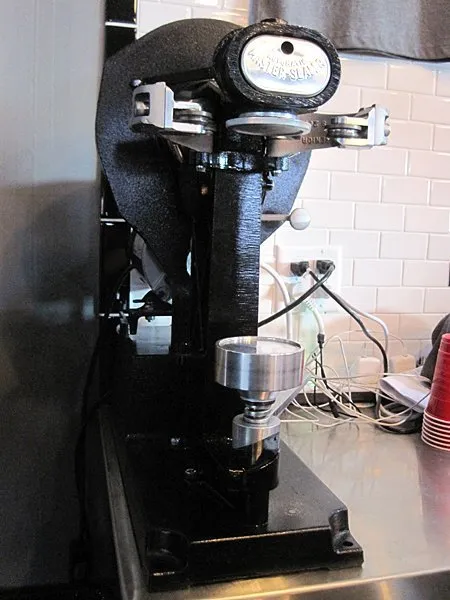
The word came from combining can with growler and, unlike the growler, which you take to the bar to be filled, the crowler can only be filled at a place that has the machine made for sealing the can. An example of such a machine is the one in the photo below:
How to clean a growler and a crowler
Using the growler is simple: just take it to your favorite bar and ask for a fill. But it has to be clean, otherwise foam residue builds up. Here is how to clean your growler, it's easy:
- Wash with running water and a drop of detergent. Shake it vigorously to clean the entire container;
- Rinse very thoroughly so that no detergent residue remains;
- Do not use alcohol or any other cleaning product;
- Leave it to dry upside down, and store it only when completely dry.
- That's it! Now all that's left is to fill it and enjoy!
Unlike the growler, crowlers are for one night (or day) only. Just make sure to dispose of the can properly after use, okay?
Growler or crowler: which is better?
Subscribe
Subscribe to the myTapp newsletter and get first access to new articles, with actionable insights for those who decide, plan, and run high-traffic businesses.
Recommended posts
Selected content to explore topics such as self-pour beer, customer experience, and operational efficiency, with practical lessons for decision-makers and those who follow market developments.
Capital Moto Week case study: how self-pour beer scaled the operation at a festival of 800,000 people
At the largest motorcycle and rock festival in Latin America, with about 800,000 people over ten days, self-pour beer kept pace with the event's growth without losing control. In the 2026 edition, the volume served rose more than 18% and the number of sales grew almost 29%, while operational efficiency went from 89% to 93%. The case shows how smart taps sustain beverage operations when the crowd arrives in waves.

Self-pour beer at parks and resorts: how to end lines and waste
In high season, the bar line is one of the biggest bottlenecks at a park or resort: visitors give up, miss out on the attractions and the operation loses sales. Self-pour beer ends the wait, cuts beverage service staff by up to 80% and reduces waste from about 15% to 3%, with real-time consumption data for management.
Self-pour draft beer for events: how to end the lines and sell more at festivals
At a festival's peak, the bar line is where revenue slips away. Self-pour draft beer ends the wait, cuts service staff by up to 80% and reduces waste from about 15% to 3%. With real-time consumption data, the operation decides on the spot and sells more at the moment that matters most.

Receive regular updates on new products and industry trends.