
How Toca do Urso turned self-pour into experience and loyalty
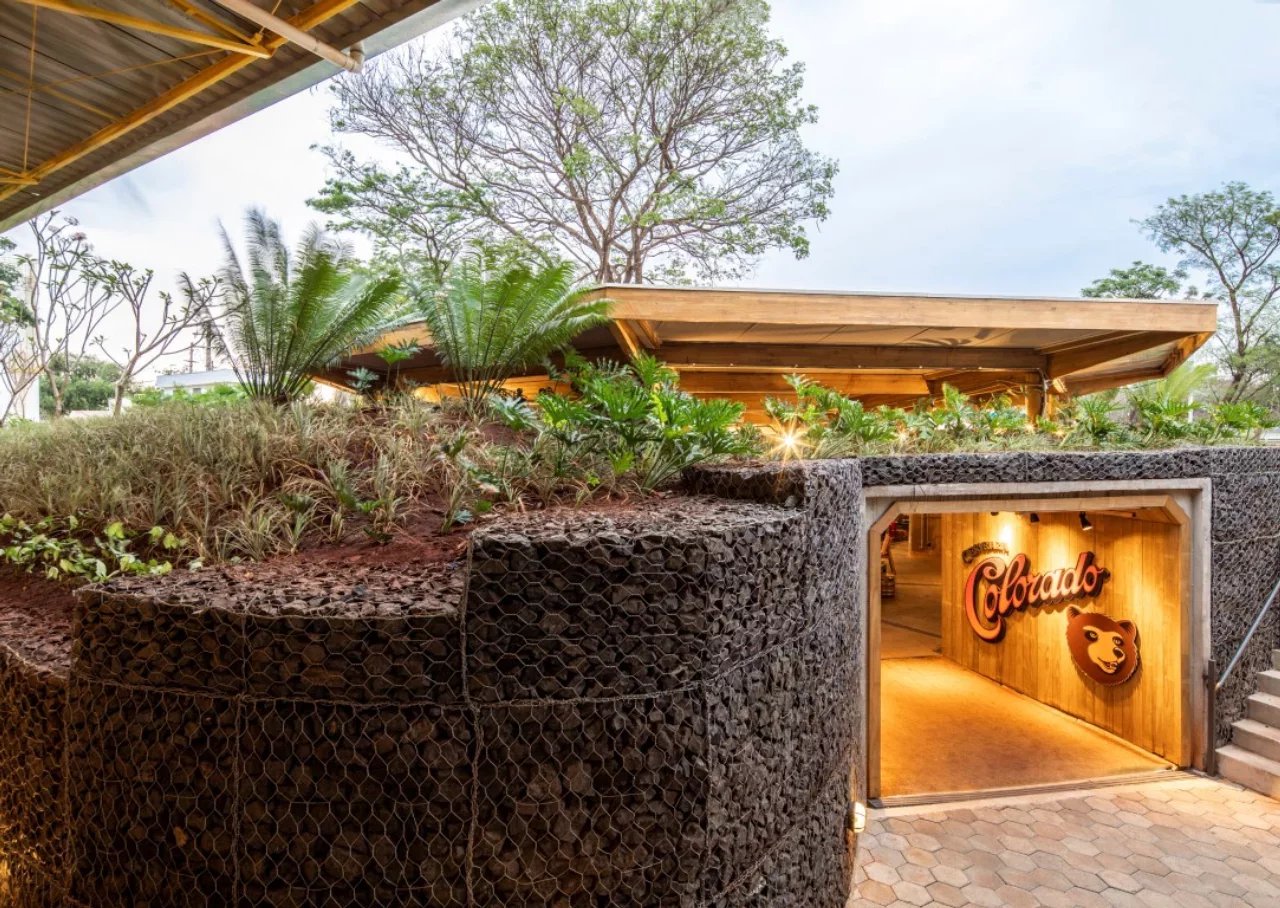
Who is Toca do Urso?
Created next to the Cervejaria Coloradofactory, Toca do Urso was born with a clear ambition: to be more than a bar. The space was conceived as an extension of the brand, where consumers could experience the world of Brazilian craft beer in an accessible, sensory and educational way. Since its opening in 2018, Toca has positioned itself as a complete experience, with architecture, gastronomy and hospitality orbiting the main theme: draft beer.
The challenge: scaling the experience without losing control
When planning the operation, the Colorado team faced challenges common to large, high-traffic bars:
- How to offer a diversity of styles without slowing down service
- How to allow tasting and discovery, without increasing waste
- How to maintain inventory and consumption control in real time
- How to turn the bar into a channel for customer relationships, and not just a point of sale
The answer had to go beyond operational efficiency. The focus was on customer experience.
Choosing myTapp self-pour
Toca do Urso was the first bar in Ribeirão Preto to adopt myTapp self-pour draft beer, with a beer wall of 14 self-pour taps. The decision was strategic: letting customers pour their own glass, in the amount they want, exploring different styles and learning about each beer along the way.
According to Bia Macedo, Colorado's brand ambassador, self-pour was decisive in bringing consumers closer to the beer world and, at the same time, ensuring full control of the operation.
How the experience works in practice
The flow was designed to be simple and intuitive:
- Customers get a rechargeable card right at the entrance
- All consumption — draft beer, dishes and store products — is charged to the same card
- At the taps, customers choose how much to pour and follow information about the beer on the screen
- The system records every interaction in real time
The result is fluid service, without constant lines, and with the freedom for customers to explore different styles at their own pace, ideal for Toca do Urso's business model, where experimentation is a key point.
Data that turns into relationships
One of the model's main differentiators lies outside the dining room: the data.
With myTapp, Toca do Urso began tracking:
- Individual consumption preferences
- Visit frequency
- Most consumed styles by customer profile
- Turnover of each keg in real time
This information enabled highly targeted relationship actions, such as personalized invitations when a new IPA draft beer was tapped for customers who had already shown a preference for the style, as well as loyalty campaigns with gifts and vouchers.
Operational and financial impact
Beyond the experience, the operational gains were clear:
Indicator | Observed result |
|---|---|
Inventory control | Real-time keg monitoring |
Waste | Reduction of up to 20% on automated taps |
Management | Data accessible via phone or computer |
Revenue | Direct impact from reduced losses |
Self-pour stopped being just a service format and became a management tool.
What other operations can learn from Toca do Urso
The case leaves clear lessons for decision-makers at bars, breweries and experience venues:
- Self-pour does not reduce hospitality when well designed
- Customer experience can go hand in hand with strict control
- Consumption data are strategic assets, not just reports
- Freedom of choice increases engagement and average ticket
More than technology, Toca do Urso's success lies in the integration of brand, space and system.
FAQ – Frequently asked questions
Does self-pour only work for craft beers?
No. The model can be applied to different types of operations, from traditional bars to tasting venues and large breweries.
Won't customers waste more draft beer if they pour it themselves?
Quite the opposite. With control and real-time data, Toca reduced waste by up to 20%.
Can the data be used for marketing actions?
Yes. The consumption history enables personalized actions and loyalty campaigns.
Does the system completely replace the team?
No. It frees the team for higher-value roles, such as service, guidance and experience.
Is the model scalable?
Yes. The self-pour logic can be expanded as the operation grows.
Subscribe
Subscribe to the myTapp newsletter and get first access to new articles, with actionable insights for those who decide, plan, and run high-traffic businesses.
Recommended posts
Selected content to explore topics such as self-pour beer, customer experience, and operational efficiency, with practical lessons for decision-makers and those who follow market developments.
Capital Moto Week case study: how self-pour beer scaled the operation at a festival of 800,000 people
At the largest motorcycle and rock festival in Latin America, with about 800,000 people over ten days, self-pour beer kept pace with the event's growth without losing control. In the 2026 edition, the volume served rose more than 18% and the number of sales grew almost 29%, while operational efficiency went from 89% to 93%. The case shows how smart taps sustain beverage operations when the crowd arrives in waves.

Self-pour beer at parks and resorts: how to end lines and waste
In high season, the bar line is one of the biggest bottlenecks at a park or resort: visitors give up, miss out on the attractions and the operation loses sales. Self-pour beer ends the wait, cuts beverage service staff by up to 80% and reduces waste from about 15% to 3%, with real-time consumption data for management.
Self-pour draft beer for events: how to end the lines and sell more at festivals
At a festival's peak, the bar line is where revenue slips away. Self-pour draft beer ends the wait, cuts service staff by up to 80% and reduces waste from about 15% to 3%. With real-time consumption data, the operation decides on the spot and sells more at the moment that matters most.

Receive regular updates on new products and industry trends.