
A successful bar: how to keep it packed all year round

Every bar owner knows a story about a venue that started out booming, super hot, but soon became outdated. So what does it take to run a successful bar that is packed all year round?
When it comes to opening a bar, one of the first concerns is making it attractive. For that, you need to establish a brand and an atmosphere that are on trend. However, in many cases the place is packed in the first few months and then gradually loses customers. Did people get tired of it? Did another bar come along and grab the public's attention? Can you overcome that and keep your venue always on top? YES, YOU CAN!
We went looking through data and expert analyses for what it takes to stay packed all year. Shall we?
Do trends have an expiration date?
It depends. Some specific trends, often related to decor or niches, can be fleeting. Others, however, especially those related to behavior, are long-lasting, because they reflect general changes in society and in how people consume.
Some examples that help illustrate this are objects that suddenly become fashionable at parties, bars and restaurants. They are usually items everyone wants to have, but that end up forgotten in a closet after a while. It happens a lot with decor too: symbols, drawings and decorative items that show up on the walls of living rooms or bars. Does anyone remember when the British flag and the mustache were everywhere, back in 2012?
Trends that combine technology and social awareness, that bring convenience to the customer and to management, never go out of style because they follow changes in consumer habits.
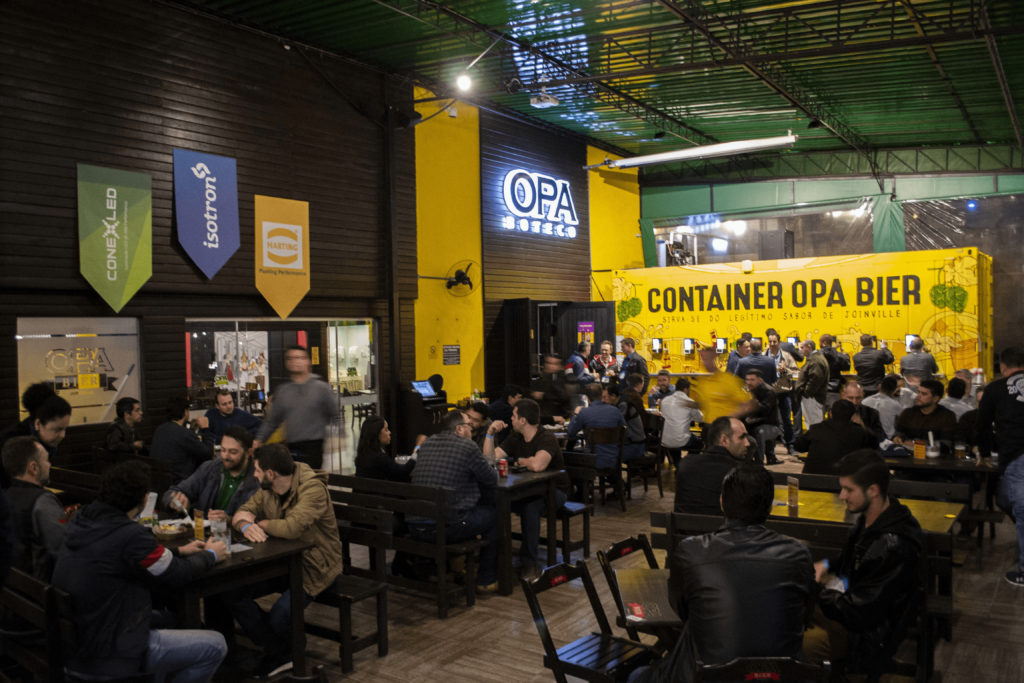
Best times of the year for bars
Some times of the year are better for the bar industry. Seasons such as summer, vacations or major events in the region always mean a full house.
For example, bars in tourist areas will get more people in summer or during vacations, especially in coastal cities. The same happens in cities with a strong Carnival tradition or during the São João festivals, attracting many customers, whether locals or tourists, looking for fun.
How to beat seasonality in bars
After your bar's high season, you notice that little by little the bar gets less busy, even on weekends. At those moments, you can feel a knot in your stomach and think, “now what?”
With the right moves, your bar will always be buzzing, and even in the low season, your business will stay balanced. Check out 10 tips:
1. Financial planning
This is one of the main factors for any business and should be done regularly, not just during high season. However, when it comes to seasonality, you need to plan financially to get through the slower periods.
So, set aside part of the high-season profit and put together a careful financial plan . Consider fixed expenses, inventory costs and possible investments you may need to attract customers during the low season.
2. Good service
In any season, good service is a differentiator and can win over and retain customers. Make an effort to provide the best service possible, because there is a great chance that well-served customers will come back and even recommend your venue to others.
3. Customer loyalty
Think about strategies that bring customers back to your bar, regardless of the time of year. Many brands have opted for loyalty programs that offer promotions, discounts or freebies to customers who return.
4. Creating themed events
On slow days, you can host themed events to attract customers. These events can be celebrations of specific dates that relate to your bar's theme. You can also hold events unrelated to dates, such as a ‘karaoke night’, parties built around a particular music genre, and so on.
Be creative and take care with the decor, music and promotion. A good tip is to offer a discount on that specific day. Well-planned, well-promoted events attract people even if they are not held in high season.
5. Happy hour and other promotions
Happy hour is an excellent way to attract customers on days and at times when the place is empty. Prepare some menu options and offer special prices, and don't forget to promote them on social media. You can also think of combos and other discounts that the public will love.
6. Strong digital presence
Build out your business's social media and plan campaigns for each phase of the year. The internet is the main channel for your relationship with your target audience.
During high season, share quality photos and develop content to win followers. That way, in the slower period, your bar will already have a strengthened presence.
7. Updating the space and the menu
How about using the quieter periods to do some maintenance on the space? Assess what needs repair, see which equipment needs upgrading and, if possible, refresh the decor. Your bar's structure and decor make all the difference in attracting customers, but remember to plan financially and avoid spending more than you can.
Periods with fewer customers can also be used to update the menu. You can see which food and drink recipes are not selling as well and perhaps remove them from the menu. You can also test new items and find out whether the public will respond well.
8. Strategic partnerships
Building partnerships with other businesses can be very helpful so that seasonality doesn't hit you so hard. For example, depending on your bar's niche, you can partner with tattoo artists to offer a good price at an event, with illustrators and artists in general, and even with T-shirt shops or streetwear brands.
9. Renting the space for events
One way to generate revenue in the low season is to rent your bar's space for events such as birthdays, weddings and even corporate events, taking your niche into account. You can put together a service package, such as the space, a special food and drink menu and, if possible, even musical acts that match the client's taste.
10. Team training
Use the slower time to meet with your team and review weaknesses and strengths. Then offer training on the aspects that need improvement. That way, when high season arrives, excellence will have made its home at your bar.
Spotting opportunities
When a business is managed efficiently, you can reap good rewards at any time of year. Having a strategic vision means learning from challenges and seeing the opportunities they can bring.
Although seasonality demands careful financial management for the business to be sustainable, as well as cutting excessive costs, it can be a great time to run marketing campaigns and create initiatives that will build more customer loyalty.
To wrap up, here is an opportunity to cut costs and attract your target audience through convenience: our myTapp self-pour draft beer system, which is now modular and can be customized to your venue's project.
To learn more about the latest from the myTapp system, which are helping customers improve their revenue, just click the box below:
Subscribe
Subscribe to the myTapp newsletter and get first access to new articles, with actionable insights for those who decide, plan, and run high-traffic businesses.
Recommended posts
Selected content to explore topics such as self-pour beer, customer experience, and operational efficiency, with practical lessons for decision-makers and those who follow market developments.
Capital Moto Week case study: how self-pour beer scaled the operation at a festival of 800,000 people
At the largest motorcycle and rock festival in Latin America, with about 800,000 people over ten days, self-pour beer kept pace with the event's growth without losing control. In the 2026 edition, the volume served rose more than 18% and the number of sales grew almost 29%, while operational efficiency went from 89% to 93%. The case shows how smart taps sustain beverage operations when the crowd arrives in waves.

Self-pour beer at parks and resorts: how to end lines and waste
In high season, the bar line is one of the biggest bottlenecks at a park or resort: visitors give up, miss out on the attractions and the operation loses sales. Self-pour beer ends the wait, cuts beverage service staff by up to 80% and reduces waste from about 15% to 3%, with real-time consumption data for management.
Self-pour draft beer for events: how to end the lines and sell more at festivals
At a festival's peak, the bar line is where revenue slips away. Self-pour draft beer ends the wait, cuts service staff by up to 80% and reduces waste from about 15% to 3%. With real-time consumption data, the operation decides on the spot and sells more at the moment that matters most.

Receive regular updates on new products and industry trends.