
Spaten VIP lounge at Oktoberfest: when the bar becomes a brand activation with self-pour beer
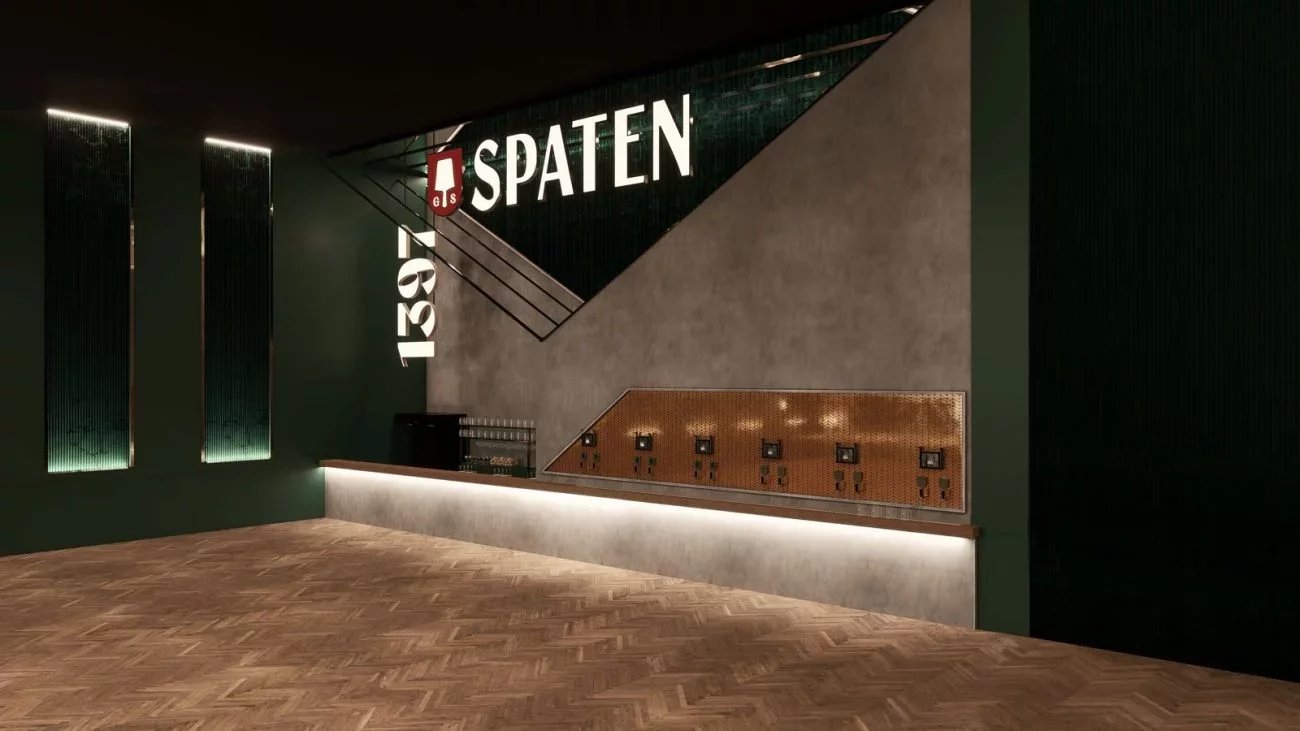
The context: Oktoberfest, heavy traffic and maximum expectations
Oktoberfest is one of the biggest events in the country, bringing together thousands of people a day in an environment of high consumption, limited time and a strong presence of sponsor brands. At the Spaten VIP lounge, the challenge was clear: deliver a premium experience with no lines while keeping full control of the operation in an open bar model.
In this scenario, any bottleneck at the bar directly affects how the audience perceives the event and the value of the brand associated with it.
The structural problem of VIP lounges at large events
Premium VIP lounges face recurring challenges:
- Long lines at peak hours
- Reliance on temporary staff
- Difficulty controlling open bar operations
- Inconsistent experience for guests
- Little real differentiation at the point of consumption
At events of this size, the bar stops being just a service and becomes a central part of the experience, and also an operational risk.
The solution: self-pour as an activation
At the Spaten VIP lounge, myTapp was implemented with a self-pour beer wall, combining technology, design and audience interaction.
Each guest received a personalized mug with an NFC chip. The activation went beyond simply “pouring your own”: guests performed a symbolic toast gesture with the tap, which released the beer automatically. At the moment of pouring, the guest's name appeared on the screen, reinforcing the personalization of the experience.
The draft beer point stopped being a counter and started working as a living brand activation panel.
How it worked in practice
The operation was designed for high scale:
- Open bar service
- Self-pour with NFC identification
- Automatic pour in about 20 to 30 seconds per glass
- Full control of the volume poured
- Real-time consumption monitoring
The impact on the guest experience
From the participant's point of view, the experience was smooth and memorable:
- No waiting to drink
- Direct interaction with the brand
- A sense of exclusivity and personalization
- Intuitive use, no instructions needed
This kind of experience generates something traditional events rarely achieve: spontaneous engagement. Self-pour became a talking point, a video, a photo and something to share on social media, extending the brand's reach beyond the physical space of the lounge.
Control and efficiency behind the activation
While guests enjoyed a light, easy experience, the operation gained predictability and control:
- Standardized volume per glass
- Real-time consumption data
- Less waste
- Less dependence on large bar teams
The activation worked as operational infrastructure, not just as a promotional action.
What events and brands can learn from this case
The Spaten VIP lounge shows that, at large events:
- Self-pour doesn't just maintain the experience, it can elevate it
- The point of consumption can be a brand activation channel
- Lines are not inevitable, they are a design problem
- Well-applied technology generates organic media
- Operational control is compatible with premium experiences
More than serving draft beer, the operation delivered an experience aligned with the brand, with efficiency and scale.
FAQ — Frequently asked questions about self-pour at events
Does self-pour work in an open bar model?
Yes. With identification and volume control, the model works with predictability and safety.
Do guests understand how to use it?
Yes. The experience is intuitive and requires no prior learning.
Can self-pour be integrated into brand activations?
Yes. The Spaten case shows that self-pour can be a central part of the activation.
Can the system handle large volumes?
Yes. The operation served thousands of liters while keeping a steady flow.
Does it reduce the need for bar staff?
Yes. Staff can be redirected to support, experience and hospitality.
Subscribe
Subscribe to the myTapp newsletter and get first access to new articles, with actionable insights for those who decide, plan, and run high-traffic businesses.
Recommended posts
Selected content to explore topics such as self-pour beer, customer experience, and operational efficiency, with practical lessons for decision-makers and those who follow market developments.
Capital Moto Week case study: how self-pour beer scaled the operation at a festival of 800,000 people
At the largest motorcycle and rock festival in Latin America, with about 800,000 people over ten days, self-pour beer kept pace with the event's growth without losing control. In the 2026 edition, the volume served rose more than 18% and the number of sales grew almost 29%, while operational efficiency went from 89% to 93%. The case shows how smart taps sustain beverage operations when the crowd arrives in waves.

Self-pour beer at parks and resorts: how to end lines and waste
In high season, the bar line is one of the biggest bottlenecks at a park or resort: visitors give up, miss out on the attractions and the operation loses sales. Self-pour beer ends the wait, cuts beverage service staff by up to 80% and reduces waste from about 15% to 3%, with real-time consumption data for management.
Self-pour draft beer for events: how to end the lines and sell more at festivals
At a festival's peak, the bar line is where revenue slips away. Self-pour draft beer ends the wait, cuts service staff by up to 80% and reduces waste from about 15% to 3%. With real-time consumption data, the operation decides on the spot and sells more at the moment that matters most.

Receive regular updates on new products and industry trends.