
Does keg sparkling wine go with your bar?
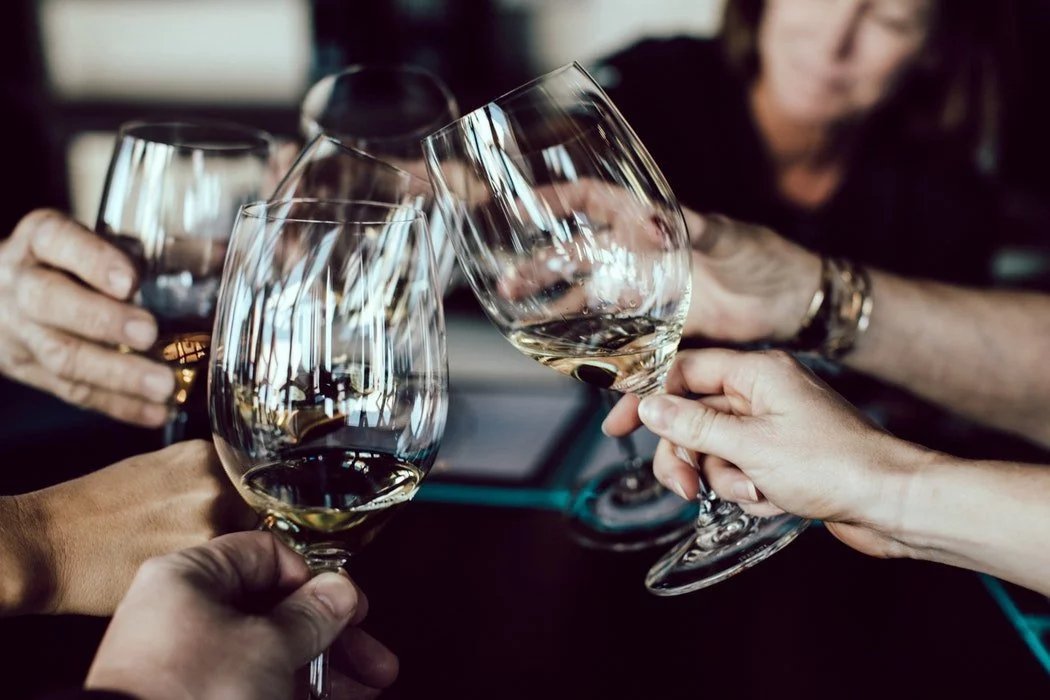
The reasons for not betting on drinks of this kind in a bar tend to be similar and revolve around one thing: drinking sparkling wine is complicated.
The arguments vary, and are even reasonable. Ordering sparkling wine most of the time means ordering a whole bottle, spending more than necessary, wasting more than half of it, or drinking it all over a longer time than is ideal to enjoy its best flavor and temperature…
For establishments that offer sparkling wine, the task is not easy either: you need storage space, inventory, buckets (more space), ice… and the discomfort of seeing a customer buy more than they would be willing to drink.
The cultural barrier alone, the association of the drink with luxury or “special occasions,” would yield another list of reasons: “there are too many etiquette rules,” “would it look right to drink sparkling wine in a bar?”, “while everyone else drinks beer? it would seem unfriendly,” “a bucket on my table would be arrogant.”
It is because of this view consumers have of sparkling wine’s “restrictions” that the wine industry has been investing in popularizing the drink, trying to remove the formality, the etiquette, and the label of “special for weddings, big wins, Christmas, and New Year’s.”
That’s fair. Standing out among other wines, Brazilian sparkling wine can be proud of the quality it has earned. Besides, the freshness, lightness, and personality of the drink are very Brazilian. All that’s missing is for Brazilians to take to it, like beer.
Going the opposite way from the effort to popularize sparkling wine, the craft era of beer has been making its audience more sophisticated, offering new flavor possibilities and refining the consumer’s palate… with the advantage of still being the national favorite.
Sparkling wine and beer side by side
On one side, sparkling wine wants from beer the fame and the power to win people over that beer has simply because it is easy: to order, to serve, to drink.
On the other side, beer envies a certain allure that sparkling wine holds over other consumer desires: lightness, low calories, a passion for wine, the wish for variety, gluten intolerance, or simply not liking beer (some people don’t).
With the aim of promoting this beer & sparkling wine partnership, as complements rather than competitors, Spina Wines, a sparkling wine brand from the Serra Gaúcha region, created a system for filling sparkling wine into kegs.
Available in three versions (Prosecco White Dry, Prosecco Rosé Dry, and Spina Spritz, which is prosecco + Aperol) and compatible with the myTapp self-pour draft beer system, the Spina Wines product aims to show that sparkling wine can also come from the tap; be consumed in the ideal amount, with no waste; be anywhere; and avoid the pompous champagne bucket or any formality that the “sophisticated world of wine” taught us was “good manners.”
Having tried it and liked it is the new and only rule for enjoying sparkling wine. The experience has shown the drink’s potential to win people over: the people who tried it, liked it! Anyone who sees sparkling wine available next to the bar’s traditional drinks is pleasantly surprised.
And the brands that have been betting on the Spina Wines idea keep selling beer and draft beer. But they already see sparkling wine as a welcome surprise: it has never been drunk this much.
*Produced by Spina Wines.
Let’s talk so you can learn more about myTapp and self-pour draft beer?
Subscribe
Subscribe to the myTapp newsletter and get first access to new articles, with actionable insights for those who decide, plan, and run high-traffic businesses.
Recommended posts
Selected content to explore topics such as self-pour beer, customer experience, and operational efficiency, with practical lessons for decision-makers and those who follow market developments.
Capital Moto Week case study: how self-pour beer scaled the operation at a festival of 800,000 people
At the largest motorcycle and rock festival in Latin America, with about 800,000 people over ten days, self-pour beer kept pace with the event's growth without losing control. In the 2026 edition, the volume served rose more than 18% and the number of sales grew almost 29%, while operational efficiency went from 89% to 93%. The case shows how smart taps sustain beverage operations when the crowd arrives in waves.

Self-pour beer at parks and resorts: how to end lines and waste
In high season, the bar line is one of the biggest bottlenecks at a park or resort: visitors give up, miss out on the attractions and the operation loses sales. Self-pour beer ends the wait, cuts beverage service staff by up to 80% and reduces waste from about 15% to 3%, with real-time consumption data for management.
Self-pour draft beer for events: how to end the lines and sell more at festivals
At a festival's peak, the bar line is where revenue slips away. Self-pour draft beer ends the wait, cuts service staff by up to 80% and reduces waste from about 15% to 3%. With real-time consumption data, the operation decides on the spot and sells more at the moment that matters most.

Receive regular updates on new products and industry trends.