
Self-pour: 7 innovations for bars
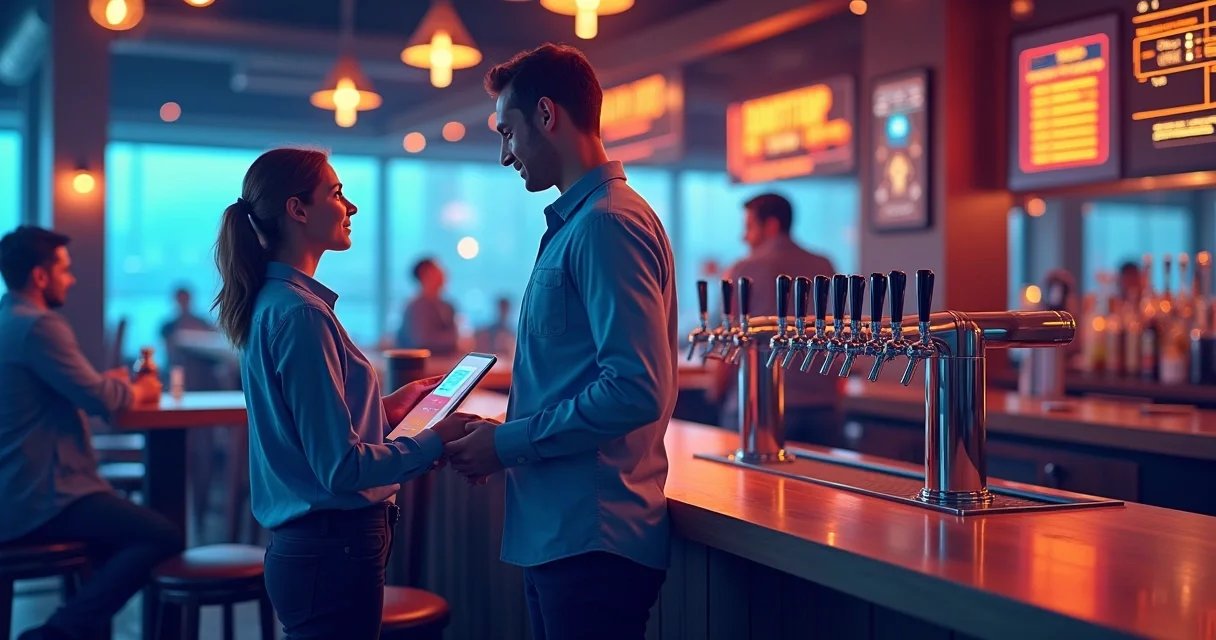
Self-pour, innovation and trends are not just buzzwords: they define the new era of modern bars. Imagine walking into a bar, pouring your own draft beer, exploring different styles on your phone and even earning points on a customer leaderboard. This self-pour bar innovation is already a reality in hundreds of venues that invest in technology to delight their customers and modernize their operations.
The trend toward self-service in bars and restaurants is growing fast, driven by consumers who want autonomy, speed and a more connected experience. For business owners in the sector, technology means lower costs, customer loyalty and more control over the business.
But how do you balance all of this with the human service customers value? That is where bar innovation trendscome in: system integration, personalized offers, digital ambiance and much more. The result is a new way to serve, sell and delight – customer-centered, but powered by technology.
Why Is Self-Pour in Bars an Irreversible Trend?
The search for convenience and autonomy has become central to the consumer journey. According to Galunion, 58% of Brazilians already prefer digital menus and 54% choose automated payments. Self-pour at the bar meets exactly this desire: it eliminates lines, speeds up orders and puts the customer in charge.
Companies like myTapp, a benchmark in self-pour draft beer, turn this experience into something intuitive, efficient and affordable even for small bars. With smart taps, custom apps and integrated management systems, customers choose, pour and pay – all at their own pace.
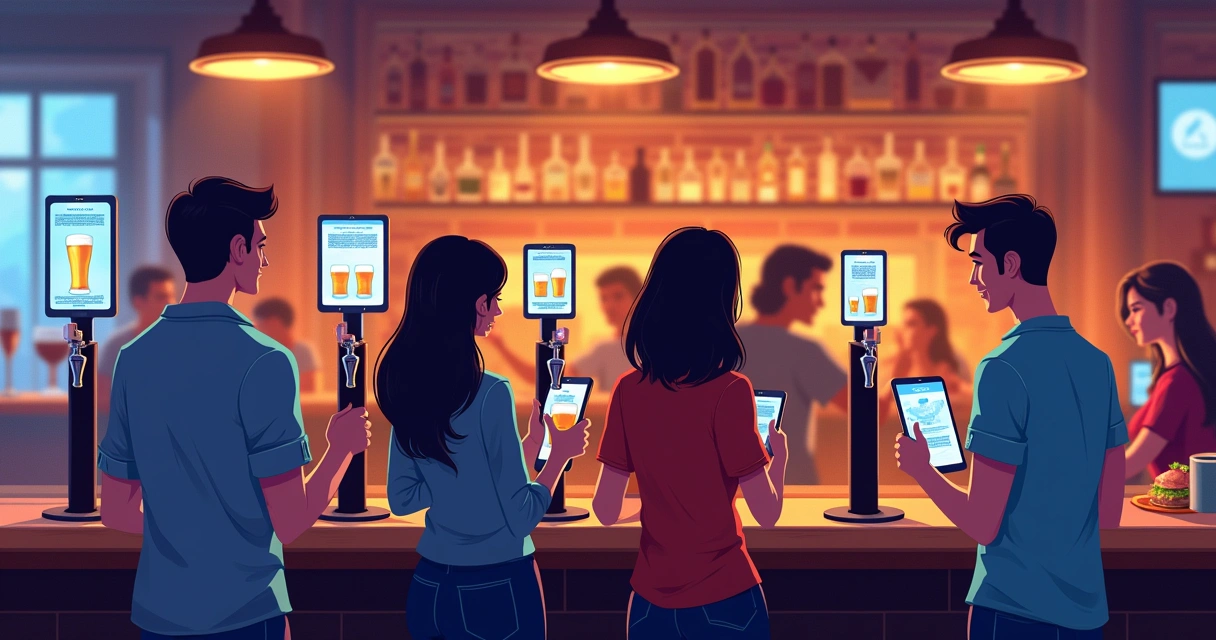
That said, autonomy is not the same as impersonality. The challenge is to create digital solutions that keep the experience warm. In this sense, companies like myTapp, specialists in self-pour draft beer, make bar innovation an accessible path even for small business owners. With these systems, the focus is on transforming the interaction and putting the customer in charge of the order. According to the Consumer Insights report, 35% of Brazilians already use self-service as a routine when looking for leisure, prioritizing variety and a convenient experience (self-service reduces costs and increases revenue). The message is clear: automation is taking up more and more space in bars, not just as a differentiator, but as an inevitable trend.
The future of self-pour is not about technology, but about experience.
Innovation Trends in Bars: More Than Technology, Experience
The transformation is not limited to machines and apps. Self-pour trends point to a revolution in how bars operate and serve customers:
- Smart draft beer dispensers connected to the management system
Prevent waste and provide real-time data on consumption. - Digital menus with augmented reality
Make choosing more visual and personalized. - Automated payments via app
Ensure a smooth, frictionless journey. - Gamification and customer leaderboards
Encourage engagement and build bonds with the bar. - Data analysis with AI and Big Data
Anticipate preferences, optimize inventory and create more targeted promotions. - Omnichannel experience
Customers interact with the bar online and offline, strengthening their bond with the brand. - Technological and interactive environments
Kiosks, lighting, screens and even chargers create a futuristic, comfortable and inviting atmosphere.
How to combine technology and human service in the bar
The self-pour trend does not eliminate the importance of human contact. The paradox is that, when well used, digital systems free up the team for what matters most: building relationships with customers. You eliminate lines and red tape, but keep the friendliness, the smile, that sincere recommendation when someone is unsure about the menu. Standout bars combine both worlds to deliver more value.
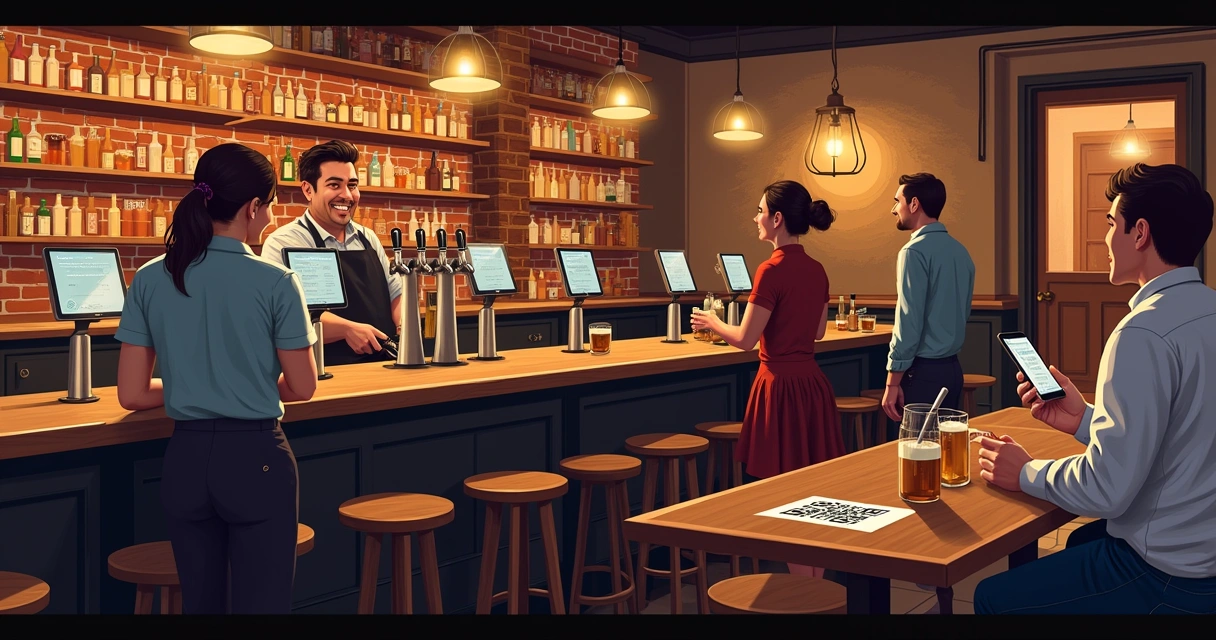
Training now includes the use of digital platforms and empathy techniques. This allows the team to act as consultants and promoters of the digital experiences, helping those who have questions or want to discover special self-pour features. But it is not all smooth sailing. There are challenges during rollout. Some customers miss personalized attention, while others have questions when using the system. That is why bars need to practice active listening and make constant adjustments.
Personalization and loyalty beyond apps
Integrated management systems turn personalization into reality. When customers notice that promotions are designed for them, that their birthday is remembered, that the bar suggests drinks they like, loyalty is born. The chance of a return visit goes up – and so does the average ticket. Innovating in technology is not enough if after-sales attention is lacking. Fast support, open channels for feedback and real rewards make a difference. Here, automation does not replace the human eye, but serves as the foundation for longer-lasting relationships.
Technology leads, but relationships build loyalty.
It is also important to invest in the bar's visual communication. Screens that highlight promotions, themed settings on special nights and integration with social media can turn the bar into a local landmark.
Automation, artificial intelligence and big data: trends that keep going
The year 2024 brought advances that were unthinkable for bars until recently. Artificial intelligence predicts consumption trends, identifies repeated order patterns and even helps create dynamic promotions in real time. Big Data tools cross-reference customer history and seasonal sales, and compare results across locations. A bar can use them both to improve operations and to delight its customers. Automation thus becomes the true engine of bar innovation.
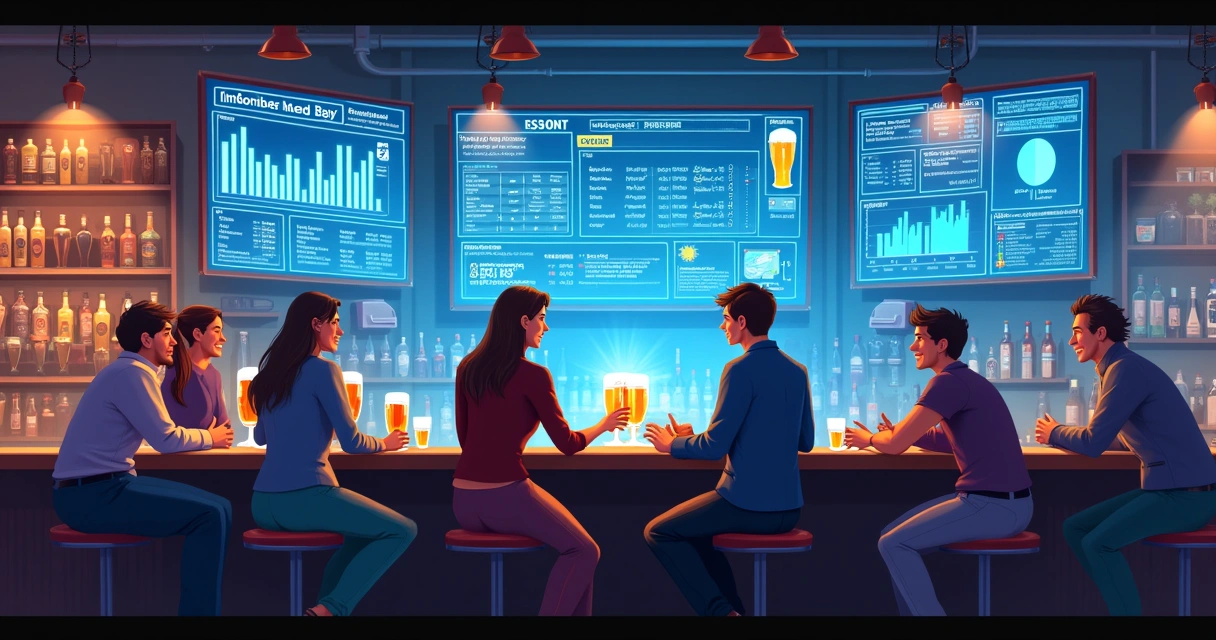
By the way, an interesting point: technologies such as augmented reality, listed as a 2024 trend, should transform the landscape even further. Seeing dishes in 3D, for example, brings customer and product closer, reduces cancellations and boosts consumption (augmented reality technology is revolutionizing the customer experience).
Challenges and points of attention when implementing self-pour
The path to automation has its challenges. The initial implementation cost can be high, depending on the size of the bar and the solutions you want. In addition, it is common to find resistance from part of the clientele used to the traditional model. The tip is to start with tests: roll it out in just part of the bar, or on a few days of the week. Little by little, with feedback and adjustments, the technology comes to be seen as an ally, not an adversary. Companies like myTapp follow these challenges closely and offer specialized after-sales support, helping to adjust tools, train teams and understand the particular needs of each environment. It is not easy, but when well executed, it delivers concrete, lasting results. Exploring different types of business can be an interesting strategy, since self-pour is not limited to the bar: parties, events, restaurants, hotels and even small establishments find opportunities in this trend. Learn more in types of businesses that can offer self-pour beer.
Real Cases: Innovation That Delivers Results
Several bars that implemented self-pour with myTapp noticed:
- Higher average ticket
- Shorter lines
- Better inventory control
- Increased digital engagement
- Less draft beer waste
These results show that bar innovation is not just a trend, but a proven growth strategy.
The Future of the Bar Is Innovative, Automated and Human
The combination of innovation, self-pour and bar trends undoubtedly represents the future of the sector. More than simply digitizing processes, it is about rethinking the entire customer experience in an integrated and strategic way.
With good planning, it is entirely possible to turn any bar – small or large – into a more efficient, modern and customer-centered environment. And all of this can be done without giving up what is essential: the pleasure of toasting good moments.
Want to innovate in your bar?
Discover the solutions from myTapp and find out how technology can work in your favor, without losing the essence of your business.
Conclusion: Why Bet on Innovation Now?
The bar and restaurant sector is moving, more and more, toward autonomous and digital models. In this context, the self-pour trend, combined with personalization, gamification and the use of smart data, offers innovative ways to engage the public.
Although challenges exist, automation opens doors to new experiences, improves operations and strengthens loyalty. In other words, bar innovation goes beyond technology: it is tied to people, real connections and the ability to surprise customers day after day.
So, if you want to transform your bar, reduce costs and create memorable experiences – from the order to after-sales –, getting to know the solutions and cases from myTapp is an excellent starting point. The future has arrived, and it can be simpler, more intuitive and more human than you imagine.
Come talk to us and find out how!
Frequently asked questions
What is self-pour in bars?
Self-pour in bars means letting customers carry out steps of the service themselves – such as pouring their own drink, choosing items on the digital menu or completing payment without staff intervention. This solution gives consumers autonomy, reduces delays and can increase satisfaction, since each person controls their own pace in the experience.
How does automation work in bars?
Automation in bars happens through the implementation of electronic systems, such as smart draft beer dispensers, digital menus, app payments and even consumption data analysis solutions. These technologies record preferences, generate reports and optimize routines that used to be done manually, all in an integrated way – a model proven in practice by platforms such as myTapp's.
What are the main self-pour trends?
Among the most sought-after self-pour trends are: smart draft beer dispensers and taps connected to the bar's system, interactive digital menus with augmented reality features, automated payments via phone or app, gamified loyalty systems, omnichannel integration, QR code environments and the use of artificial intelligence and Big Data to personalize services.
Is it worth investing in bar innovation?
Yes, it is. Studies show that bars that bet on innovation reduce waste, attract new audiences, improve inventory and financial control and increase customer return rates. In addition, modernization helps bars adapt to changes in behavior, such as the growing demand for autonomy and digital experiences.
Investing in self-pour: how much does it cost to implement in a bar?
The cost of implementing a self-pour system in a bar can vary significantly, depending on factors such as the size of the venue and the specific solutions you want to include. Investments can range from purchasing electronic draft beer dispensers and management systems to integrating digital platforms for automatic payments. Although the initial cost may seem like a challenge, most owners see a quick return, driven by reduced waste and a higher average ticket. For more information on prices and options, visit our page on how much it costs to implement self-pour in a bar.
Subscribe
Subscribe to the myTapp newsletter and get first access to new articles, with actionable insights for those who decide, plan, and run high-traffic businesses.
Recommended posts
Selected content to explore topics such as self-pour beer, customer experience, and operational efficiency, with practical lessons for decision-makers and those who follow market developments.
Capital Moto Week case study: how self-pour beer scaled the operation at a festival of 800,000 people
At the largest motorcycle and rock festival in Latin America, with about 800,000 people over ten days, self-pour beer kept pace with the event's growth without losing control. In the 2026 edition, the volume served rose more than 18% and the number of sales grew almost 29%, while operational efficiency went from 89% to 93%. The case shows how smart taps sustain beverage operations when the crowd arrives in waves.

Self-pour beer at parks and resorts: how to end lines and waste
In high season, the bar line is one of the biggest bottlenecks at a park or resort: visitors give up, miss out on the attractions and the operation loses sales. Self-pour beer ends the wait, cuts beverage service staff by up to 80% and reduces waste from about 15% to 3%, with real-time consumption data for management.
Self-pour draft beer for events: how to end the lines and sell more at festivals
At a festival's peak, the bar line is where revenue slips away. Self-pour draft beer ends the wait, cuts service staff by up to 80% and reduces waste from about 15% to 3%. With real-time consumption data, the operation decides on the spot and sells more at the moment that matters most.

Receive regular updates on new products and industry trends.