
Rio Quente Resorts: how self-pour let it add points of sale without adding staff
The context: hospitality at real scale
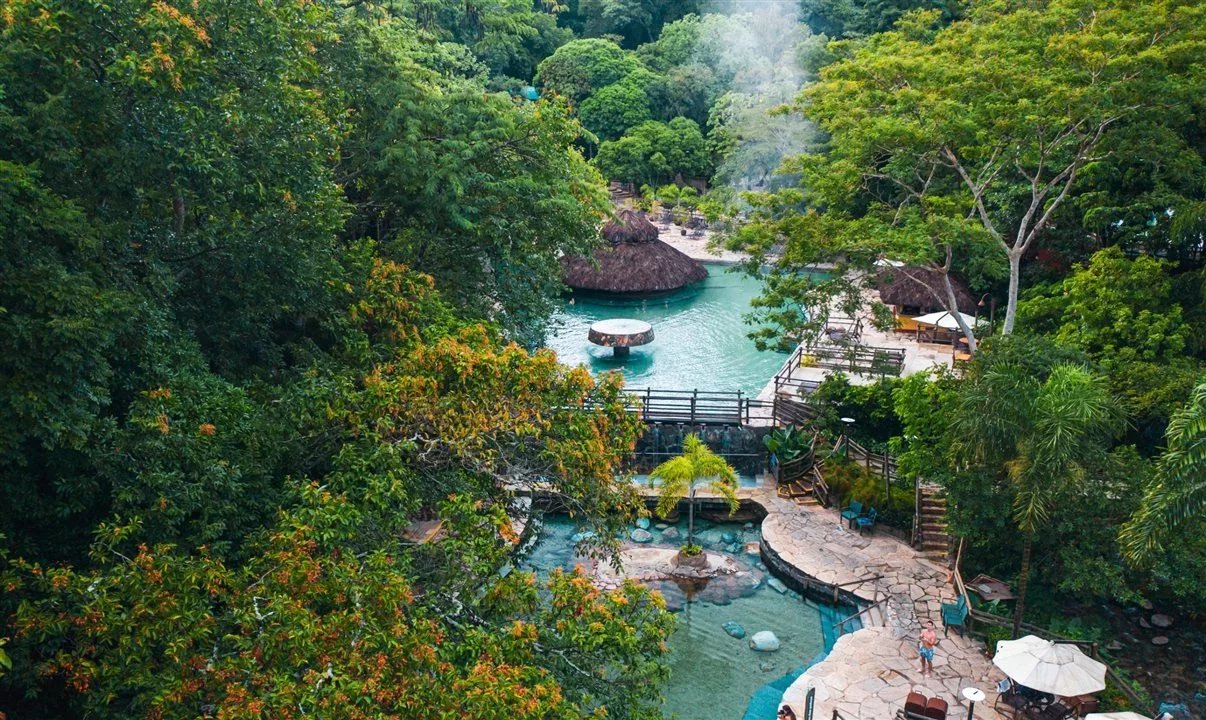
Located in Goiás, Brazil, Rio Quente Resorts combines hotels and a water park in one of the largest tourism operations in the country. The complex receives about 1 million visitors a year, mostly families and couples.
The footprint is large: six hotels connected to the park, multiple leisure areas and consumption points spread far apart, a classic challenge for operations that need to deliver good service without creating bottlenecks.
The challenge: peak consumption, scarce staff and lines
Before adopting self-pour, the operation faced recurring problems:
- Long lines between 5 p.m. and 7 p.m., when the park closes
- Bottlenecks caused by complex orders competing with quick drinks
- Heavy reliance on labor in a region with a shortage of workers
- High turnover and daily commuting of employees from distant cities
- No standardization in how draft beer was poured
- Waste caused by human error
- Difficulty opening new points of sale without adding staff
In a resort of this size, every new bar is a cost, not just an opportunity.
The solution: self-pour as distributed infrastructure
myTapp was implemented with the goal of growing sales without growing staff, using technology as the quiet foundation of the operation.
The adopted model includes:
- RFID wristband on a pay-per-use model
- Real-time monitoring of consumption and inventory
- Integration with the resort's internal systems
- Distributed operation in multiple formats:
- Beer Wall in a cold room
- Automated Wet Bar
- Roaming electric cart
- Mini cold rooms being rolled out
The system allows operation without a dedicated attendant, with automatic standardization of volume and foam head.
Data that supports decisions
Average consumption per point
- Wet Bar: ~25 liters/day
- Beer Wall (8 taps): ~40 liters/day
- Roaming cart: ~2,000 liters/month
Beer Wall – Praia do Cerrado
- Average: 1,200 liters/month
- Average price per liter: R$ 48
- Estimated revenue:
- R$ 60,000 to R$ 70,000/month
In addition, the operation now has:
- Exact control down to the milliliter
- Reliable data for ROI calculations
- Expansion decisions based on actual consumption
Direct impact on the guest experience
For visitors, the change was clear:
- Shorter lines at peak times
- Immediate service
- Total freedom in consumption
- Technology that blends naturally into leisure
- More time enjoying pools and attractions
The experience became smoother without feeling “automated.”
Strategic gains for management
From the resort's perspective, the main gains were:
- Less need for dedicated staff at the bars
- Predictable consumption by location and time
- Optimized keg logistics
- Ease of creating new points of sale
- Scalability for high season and internal events
Self-pour became a growth lever, not an added cost.
What other resorts can learn
The Rio Quente case shows that:
- Self-pour enables expansion without depending on labor
- Spreading out points of sale increases total consumption
- Data is essential for scaling decisions
- Operational efficiency improves the guest experience
In hospitality, growing without losing quality takes planning, not improvisation.
FAQ: Self-pour in resorts
Does it work in family environments?
Yes. The model is intuitive and well accepted by diverse audiences.
Does it reduce the need for staff?
Yes. Especially at bars and quick-service consumption points.
Can it operate in multiple formats?
Yes. The system supports beer walls, Wet Bars and mobile stations.
Does it help increase revenue?
Yes. By creating new points of sale without raising fixed costs.
Is it scalable for high season?
Yes. The operation adapts to higher traffic with predictability.
Subscribe
Subscribe to the myTapp newsletter and get first access to new articles, with actionable insights for those who decide, plan, and run high-traffic businesses.
Recommended posts
Selected content to explore topics such as self-pour beer, customer experience, and operational efficiency, with practical lessons for decision-makers and those who follow market developments.
Capital Moto Week case study: how self-pour beer scaled the operation at a festival of 800,000 people
At the largest motorcycle and rock festival in Latin America, with about 800,000 people over ten days, self-pour beer kept pace with the event's growth without losing control. In the 2026 edition, the volume served rose more than 18% and the number of sales grew almost 29%, while operational efficiency went from 89% to 93%. The case shows how smart taps sustain beverage operations when the crowd arrives in waves.

Self-pour beer at parks and resorts: how to end lines and waste
In high season, the bar line is one of the biggest bottlenecks at a park or resort: visitors give up, miss out on the attractions and the operation loses sales. Self-pour beer ends the wait, cuts beverage service staff by up to 80% and reduces waste from about 15% to 3%, with real-time consumption data for management.
Self-pour draft beer for events: how to end the lines and sell more at festivals
At a festival's peak, the bar line is where revenue slips away. Self-pour draft beer ends the wait, cuts service staff by up to 80% and reduces waste from about 15% to 3%. With real-time consumption data, the operation decides on the spot and sells more at the moment that matters most.

Receive regular updates on new products and industry trends.