
System integration via the myTapp API: learn how to get a solution exclusive to your bar
Several companies that develop POS systems and the like have been looking for ways to keep up with the market and stay competitive. One of the ways to add more value to their systems, without leaving their focus area and while expanding their features, is through integration between systems.
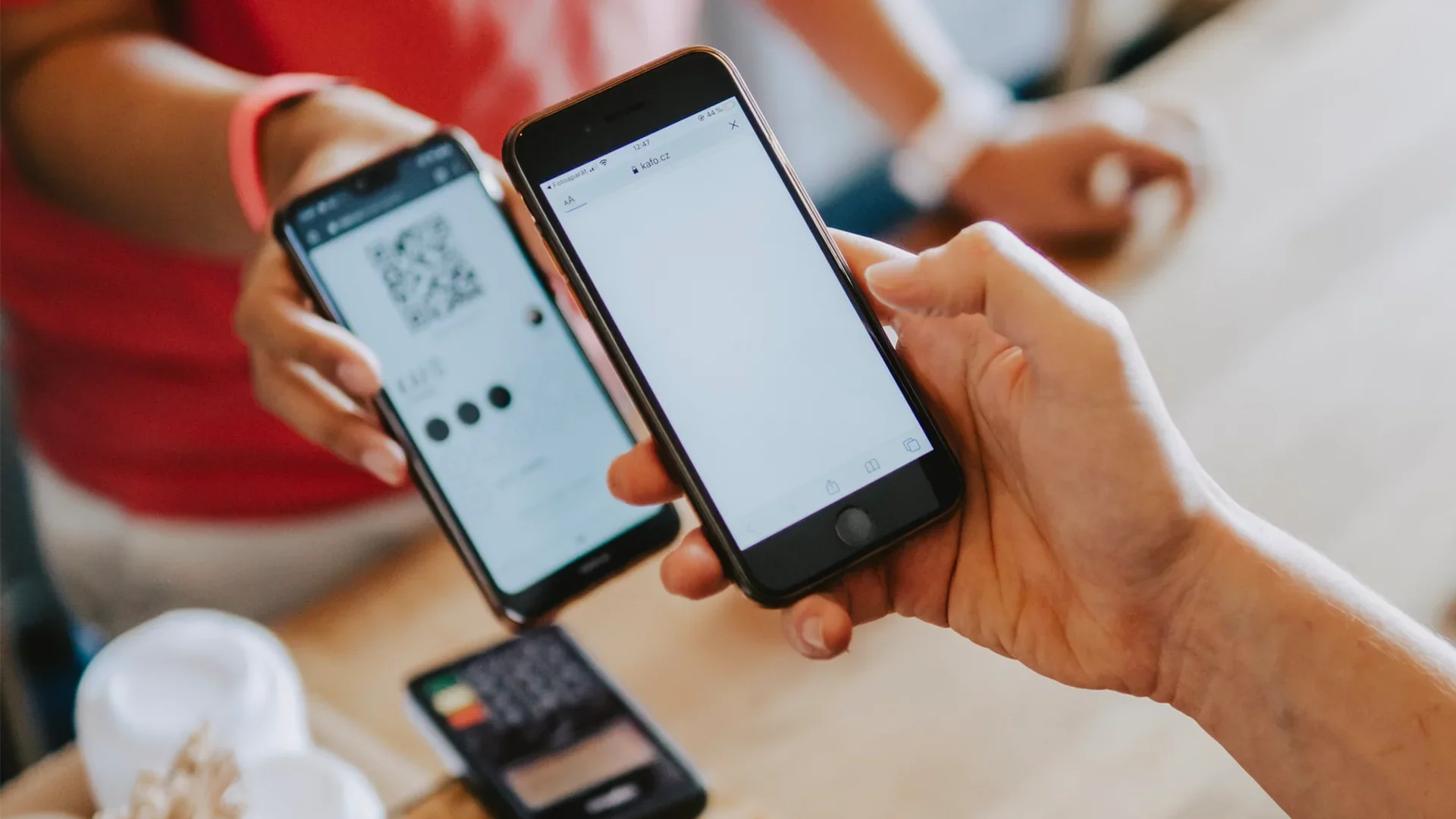
Integration is simply communication between different systems for the purpose of exchanging information between them, in an automated way. For example, a POS can generate sales invoices from the myTapp self-pour draft beer system simply by pulling this information through the integration API. Or even more: you can develop your own app so your customers can add credits, check their consumption, and pour from the myTapp system through a shared QR Code. How about adding an option to your e-commerce site so your customers can top up their credits there?
myTapp believes the key to mutual success lies in collaboration between companies, which is why it has constantly invested in its integration API so customers can use their imagination, create new usage models, and generate greater profitability through innovation.
Today there are about 15 companies that develop software for managing bars and restaurants (POS systems) and use the myTapp API. The features range from the most basic, such as reading customer consumption to generate invoices, to the most complex, such as customer registration and credit top-ups. Although the API is typically used more by POS companies, it can be used for a wide variety of reasons.
See the customized system integration for bars already running in São Paulo

Beer sommelier Fábio Guarino, founder of Cervejaria Maestria in São Paulo, developed his own business model together with the myTapp system, named Bre Já!. Through a custom app, available for Android and iOS, it lets his customers pour draft beer directly with their phones, with no need for a physical card, and with all the convenience of self-pour.
The flexibility the API brought allowed Guarino to develop a new business model: by adapting the myTapp system to refrigerators (kegerators) distributed across several points of sale throughout the state of São Paulo, he created new autonomous points of sale, since the app makes the presence of a person for service, billing, or even on-site administration completely unnecessary.
The integration lets customer registration, adding credit, and opening the tap via QR Code be done simply and intuitively. For controlling and managing the business, the integration allows checking keg levels, financial statements, the sales volume of each beer, and much more. Today there are 6 locations in the São Paulo region, with expansion in the pipeline.
How the Integration API works
In more technical terms, the myTapp API is a REST API and operates over the HTTP protocol, which makes it easy to use from any programming language or framework. To use the API, just make an HTTP request and parse the response.
The myTapp integration API is open, and any company can run tests even before you or your partner have purchased the system. We offer a complete, free sandbox environment so you can validate all features before starting production operation.
Want to know more about how the integration API works and how it can help your establishment explore more opportunities? Go to integracoes.mytapp.com.br and start letting your imagination run now! And if you didn't find the feature you needed in the API, just get in touch with us, we would love to develop that improvement for you!
About Bre Já!:
Bre Já! was born from the need for modernization. Its founder, Fábio Guarino, devoted 30 years to the technology and innovation market. He implemented, developed, and managed systems throughout Brazil and in more than 20 countries. His passion for brewing began in 2008 and he has been professionalizing ever since. With a degree in Industrial Brewing Technology, he is a Beer Sommelier, a Beer Competition Judge, and developed his own beer brand, Maestria Cervejaria. All of that history and experience was the initial laboratory for creating Bre Já!: a revolution in the way craft beer is consumed in Brazil.
Where to find it:
- CENA 011, Burger joint - Rua Barão do Bananal, 248, Pompéia - São Paulo/SP
- MAESTRIA PERDIZES, Self Pub - Rua Cotoxó, 408, Perdizes - São Paulo/SP
- ROTA DA CERVEJA, Beer shop - Rua Dr. Miranda de Azevedo, 489, Pompéia - São Paulo/SP
- MONALISA GUEST HOUSE, Guesthouse - Rua Pe. Bartolomeu de Gusmão, 132, Saco da Capela - Ilhabela/SP
- DONA BICA PUB, Factory Pub - Av. Princesa Isabel, 809, Perequê - Ilhabela/SP
- ARENA HORTO, Soccer and Footvolley - Rua do Horto, 314, Horto Florestal - São Paulo/SP
Want to learn more about myTapp and how we can bring self-pour draft beer technology to your establishment? Request a contact!
Subscribe
Subscribe to the myTapp newsletter and get first access to new articles, with actionable insights for those who decide, plan, and run high-traffic businesses.
Recommended posts
Selected content to explore topics such as self-pour beer, customer experience, and operational efficiency, with practical lessons for decision-makers and those who follow market developments.
Alta temporada em resorts: como aumentar a receita dos bares e evitar perdas na operação
Alimentos e bebidas respondem por 20% a 30% da receita de um hotel, segundo o CPT (Centro de Produções Técnicas), e no resort o bar é o ponto que mais concentra consumo ao longo do dia. Na alta temporada, essa receita escapa por quatro caminhos: venda que não acontece por falta de atendimento, equipe sazonal cara, desperdício e consumo sem registro no all inclusive. Medir cada um deles é o primeiro passo para recuperar margem.

Quantos copos rende um barril de chopp?
No papel, um barril de 50 litros rende 166 copos de 300 ml. Na prática do serviço manual, a perda de cerca de 15% derruba esse número para perto de 141, o que significa 25 copos pagos e nunca vendidos em cada barril. Entender onde esse chopp se perde é o primeiro passo para proteger a margem do bar.
Quantidade de chopp por pessoa: como calcular o volume do seu evento sem faltar nem sobrar
A regra de bolso de 1,5 a 2 litros de chopp por pessoa funciona para festas, mas erra em eventos maiores. A conta certa considera duração, calor, perfil do público e a perda no serviço, que no modelo manual chega a 15% do barril. Num evento de mil pessoas, só essa perda pode significar cinco barris de 50 litros a mais na compra.

Receive regular updates on new products and industry trends.