
Draft beer supplier: how to choose yours?
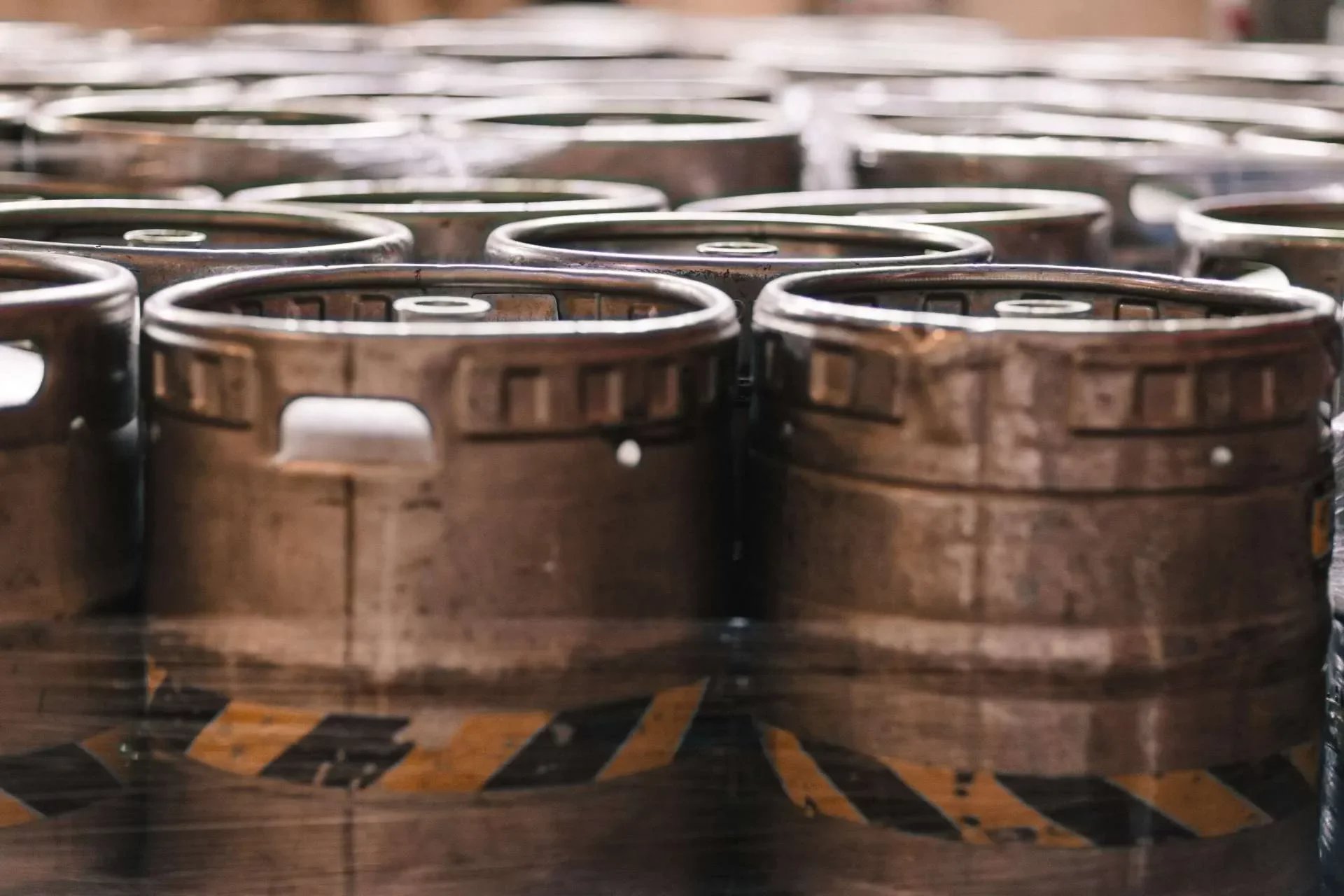
Anyone who is going to run an establishment focused on keg beverages needs to pay attention to one very important point: the draft beer supplier. Beverage distributors are great allies in this process, and they cannot be chosen at random.
Since this is a very important factor, both for your business and for the customer who will consume the product, the evaluation can be done on different points. Some of the main ones are:
Variety
What percentage of the variety of drinks you want to carry does this supplier offer?
The more products you can centralize with the same draft beer supplier, the greater your chances of getting more flexible payment terms.
Pricing
Of course, profit margin is extremely important. So the lower the investment cost, the more positive the sale will be from a financial perspective!
Look for different draft beer suppliers and get quotes before making the final decision.
Delivery time
How long will your supplier take to deliver the requested products?
Of course, this can vary from product to product, and how often you will need to place orders changes a lot too (spirits, for example, can be bought in much larger lots, since they do not have short shelf lives).
This is an important point especially for those choosing their “plan B.” Having a secondary – or even tertiary – supplier for emergencies is essential for those who serve large crowds, or even for those at the start of their market journey who are still getting a feel for the flow in different periods and events.
Speaking of deadlines… so that you never miss one, the myTapp system shows keg levels in real time! The self-pour draft beer system also helps with business management, since it brings data intelligence to your establishment. That is just one of the benefits. Want to know more? Request a free demo of the system.
Quality
Quality may be a point that, at first glance, could be overlooked. After all, most drinks are already known in the market and supplied by big brands.
However, especially when we talk about specialty beers and draft beer, this is a big step that requires trust. Most regional microbreweries are distributed by only a small number of suppliers.
This way, each distributor has a limited catalog of local, national and imported beers, and it ends up varying a lot compared with other companies.
So, besides the drink styles you want to sell, it is important to analyze the brands and their quality to identify which draft beer supplier can help you in this process most completely.
With these main points analyzed and evaluated, you can understand that the supplier with the lowest price does not always win.
You need to evaluate the cost-benefit of the purchase. Not only the value of the product itself, but whether there is a discount, easy payment and how delivery works. So, do you already have your draft beer supplier?
Shall we chat so you can learn more about myTapp and self-pour draft beer?
Subscribe
Subscribe to the myTapp newsletter and get first access to new articles, with actionable insights for those who decide, plan, and run high-traffic businesses.
Recommended posts
Selected content to explore topics such as self-pour beer, customer experience, and operational efficiency, with practical lessons for decision-makers and those who follow market developments.
Capital Moto Week case study: how self-pour beer scaled the operation at a festival of 800,000 people
At the largest motorcycle and rock festival in Latin America, with about 800,000 people over ten days, self-pour beer kept pace with the event's growth without losing control. In the 2026 edition, the volume served rose more than 18% and the number of sales grew almost 29%, while operational efficiency went from 89% to 93%. The case shows how smart taps sustain beverage operations when the crowd arrives in waves.

Self-pour beer at parks and resorts: how to end lines and waste
In high season, the bar line is one of the biggest bottlenecks at a park or resort: visitors give up, miss out on the attractions and the operation loses sales. Self-pour beer ends the wait, cuts beverage service staff by up to 80% and reduces waste from about 15% to 3%, with real-time consumption data for management.
Self-pour draft beer for events: how to end the lines and sell more at festivals
At a festival's peak, the bar line is where revenue slips away. Self-pour draft beer ends the wait, cuts service staff by up to 80% and reduces waste from about 15% to 3%. With real-time consumption data, the operation decides on the spot and sells more at the moment that matters most.

Receive regular updates on new products and industry trends.