
Draft beer vs. bottled beer: what are the differences and advantages of each?
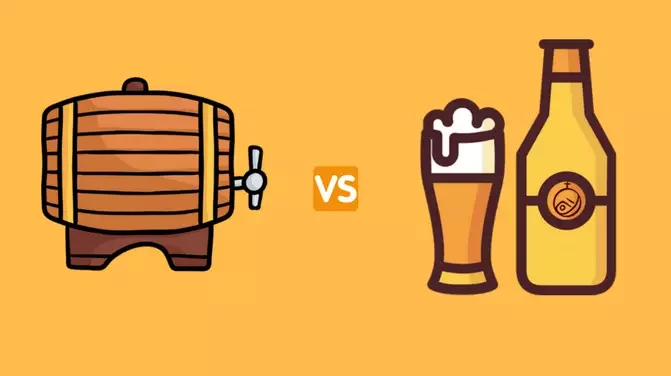
It is common knowledge that the same brand of beer can be enjoyed in different ways, depending on whether it is served from the taps as draft beer or in a bottle. With these two ways of tasting beer, each has advantages and disadvantages, so let's take a closer look.
Bottle color
Beer is basically made from hops, malt, yeast and water. Fermentation is a chemical mixture with hundreds of different substances, and all of these ingredients are vulnerable to changes after fermentation, which in turn affect the color, flavor and texture of the final beer. That is where the importance of storage comes in.
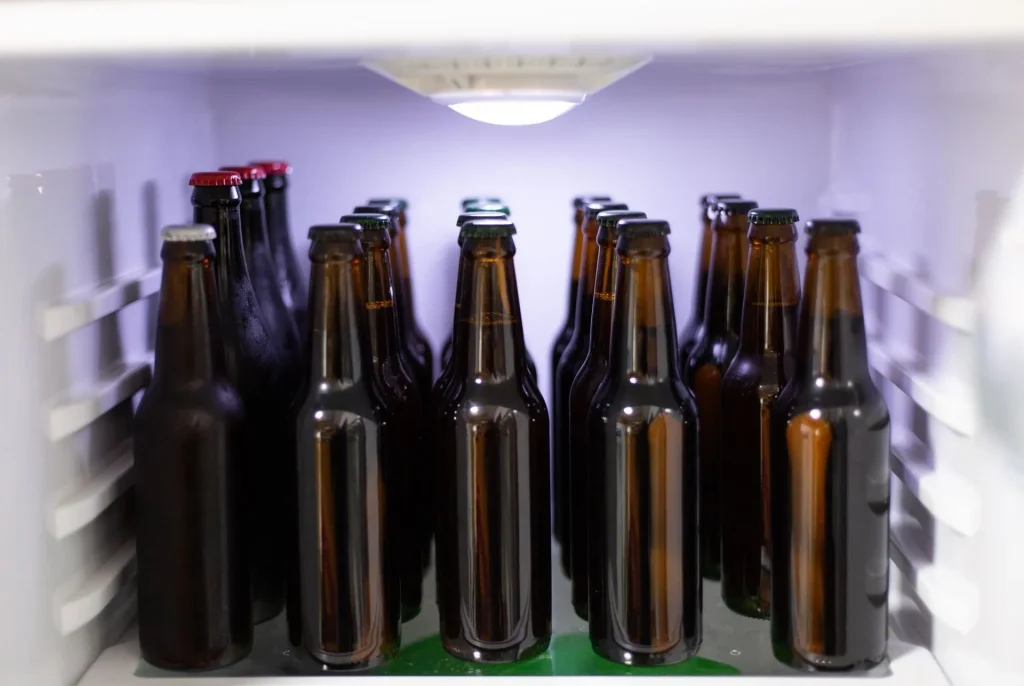
Have you ever wondered why beer bottles come in different colors, most of them dark? The bottle is vulnerable to light, oxygen and heat, so when beer comes into contact with light, its composition changes and it starts to taste different.
It has probably happened to you: you left a bottle out in the open and when you came back it tasted different, right? With draft beer that rarely happens, because it is stored inside a metal keg, which protects it better.
Carbonation
Another process involved in making beer is the injection of CO2 and nitrogen, a process called carbonation. This is done to preserve the taste and foam of the beer, since once it is opened it loses its gas.
The bottled beer only has the gas that was created during fermentation or that was added at the time of bottling. In the case of draft beer, carbonation is generally much more controlled, which makes the gas last longer.
Hygiene and sustainability
If you are used to going to bars and pubs, you may have noticed a bad or metallic taste in draft beer. If that has happened to you, it is because the draft lines are not being cleaned often enough. Anything that is in the path of the draft beer between the keg and the glasscan affect the final taste.
The beer bottle doesn't have this problem. If you are at a bar that doesn't seem to have very good hygiene, choosing a bottle of beer may be a good option.
From a sustainability standpoint, draft beer is more eco-friendly because it produces far less waste. Although beer bottles and cans can be recycled, not everyone bothers to put them in the trash, so it is common to find cans or bottles in nature. Have you ever seen a beer keg thrown away in nature or on the beach? I haven't!
Temperature
Everyone agrees on this: both draft beer and bottled beer should be enjoyed ice cold. That is why draft beer is the favorite, since it is kept at a constant temperature. With bottled beers, sometimes the same doesn't happen.
A thermostat makes it possible to keep draft beer between 3 and 5°C, which is neither too cold nor too warm. This keeps the aroma perfectly intact and the foam creamier, which is why the flavor of draft beer is often better.
Personal taste
Each person's taste can also influence the choice between draft or bottled beer. At the same temperature and with the same storage, the flavor of both will always be very similar; however, the special kick (that little bit of dizziness) can make draft beer seem much stronger.
The dizziness many people feel when they drink draft beer is not because it has a higher alcohol content, but because draft beer has a higher concentration of carbon dioxide that makes the alcohol circulate immediately.
It is clear that both options have differences and advantages. The good news is that today we have many options and they keep getting better as craft beer becomes more popular.
If you still have any doubts, try the various options available at your favorite bar and decide which is best. You may also like both options equally; nobody will judge you. On our YouTube channel you can watch a video we made on this topic, where Daiane Colla, a journalist, beer sommelier, master of styles and BJCP judge, explains some myths surrounding it. We also invite you to subscribe to our channel to always get the latest news first.
Draft beer or bottled beer: which should I have at my bar?
The answer is quite simple: both. Both draft beer and bottled beer have their advantages. As the owner of a bar that wants to succeed, it is important to use the advantages of the different options to your benefit.
To be honest, you probably have more storage space for bottled beers than space for taps; so, carry a wide variety of bottles and focus your taps on more specific, different flavors, such as craft beers.
But remember, if it's for drinking bottled beer, customers may prefer to buy it at the supermarket and drink it at home with friends. What will make them prefer to come to your bar? A differentiated experience. Offer attractive things. An excellent draw is to pair the beers with the menu you serve; want some help? Download the ‘Beer pairing guide’ for free.
Want to learn more about myTapp and how we can bring technology to your venue? Request a contact!
Subscribe
Subscribe to the myTapp newsletter and get first access to new articles, with actionable insights for those who decide, plan, and run high-traffic businesses.
Recommended posts
Selected content to explore topics such as self-pour beer, customer experience, and operational efficiency, with practical lessons for decision-makers and those who follow market developments.
Capital Moto Week case study: how self-pour beer scaled the operation at a festival of 800,000 people
At the largest motorcycle and rock festival in Latin America, with about 800,000 people over ten days, self-pour beer kept pace with the event's growth without losing control. In the 2026 edition, the volume served rose more than 18% and the number of sales grew almost 29%, while operational efficiency went from 89% to 93%. The case shows how smart taps sustain beverage operations when the crowd arrives in waves.

Self-pour beer at parks and resorts: how to end lines and waste
In high season, the bar line is one of the biggest bottlenecks at a park or resort: visitors give up, miss out on the attractions and the operation loses sales. Self-pour beer ends the wait, cuts beverage service staff by up to 80% and reduces waste from about 15% to 3%, with real-time consumption data for management.
Self-pour draft beer for events: how to end the lines and sell more at festivals
At a festival's peak, the bar line is where revenue slips away. Self-pour draft beer ends the wait, cuts service staff by up to 80% and reduces waste from about 15% to 3%. With real-time consumption data, the operation decides on the spot and sells more at the moment that matters most.

Receive regular updates on new products and industry trends.